Is 2000M On A Rowing Machine Good?
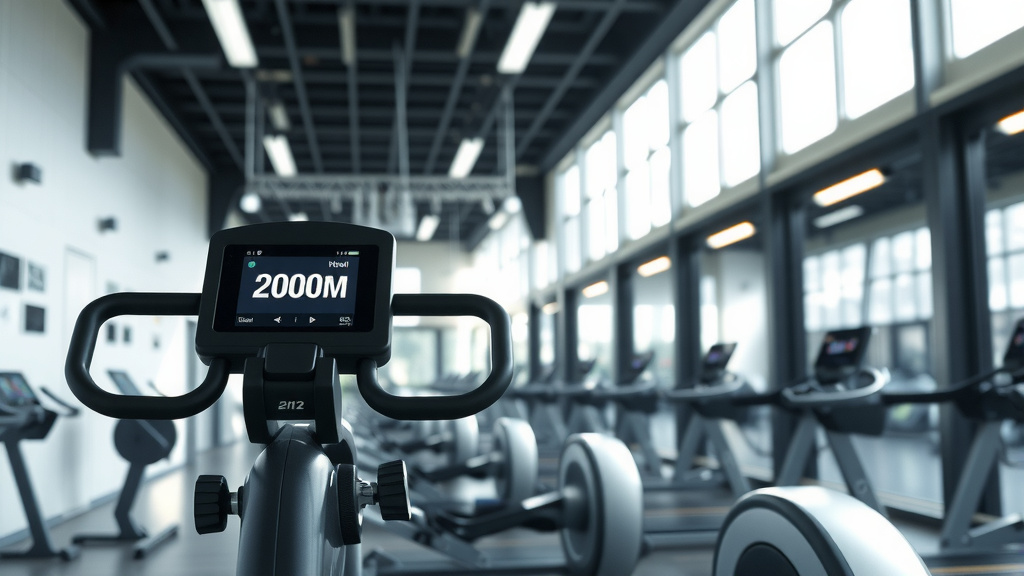
Yes, rowing 2000 meters on a rowing machine is an excellent fitness goal, offering a potent mix of cardiovascular conditioning, full-body strength building, and significant calorie expenditure. This distance is a recognized standard in competitive rowing, making it a fantastic benchmark for measuring your fitness progress.
It challenges your endurance and power, pushing your body and mind in a way that few other exercises can, truly making it a good and rewarding workout.
- You will find 2000M on a rowing machine is a fantastic full-body workout.
- It significantly boosts your cardiovascular health and endurance.
- Expect to burn a good amount of calories, helping with weight management.
- It’s a challenging distance that builds both physical and mental toughness.
- With proper form and a smart approach, it is achievable for most fitness levels.
Is 2000M On A Rowing Machine Good?
Absolutely, 2000 meters on a rowing machine is not just good; it’s a stellar workout that provides comprehensive fitness benefits. This distance is the gold standard for competitive rowers, often completed in 6 to 8 minutes, depending on your fitness level.
Why 2000M Is a Benchmark for Fitness
The 2000-meter row is known as the ultimate test of rowing fitness. It combines anaerobic power with aerobic endurance, demanding everything your body has. Many fitness enthusiasts and athletes use it to track their progress.
The Health Benefits You’ll Gain from a 2K Row
When you tackle 2000M, you’re signing up for a wealth of health improvements. You’ll feel stronger, more energetic, and build serious resilience. Let’s look at some key advantages.
Full-Body Workout: Engaging Every Muscle
Rowing is unique because it works about 86% of your muscles in one fluid motion. From your legs driving back to your core stabilizing and your arms pulling, almost every major muscle group is engaged. This means you get strength training and cardio all at once.
Cardiovascular Powerhouse
Pushing through 2000M significantly challenges your heart and lungs. It’s an intense aerobic activity that improves your cardiorespiratory fitness, making your heart more efficient (Mayo Clinic). This reduces your risk of various health issues.
Burning Calories Like a Furnace
Because so many muscles are working, a 2000M row torches calories quickly. The exact number depends on your weight and intensity, but you can expect a high-calorie burn in a short amount of time. This can be great for weight management or fat loss goals.
What Does 2000M Really Mean for You?
For most people, a 2000M row takes anywhere from 7 to 10 minutes. It’s a challenging sprint, not a marathon. It feels intense, requiring sustained effort from start to finish. You’ll likely be breathing hard and feeling your muscles work!
Pacing Your 2000M Row
Think of the 2000M as a strategy game. You can’t sprint the whole way, but you can’t go too slow either. Many experts say a smart approach involves a strong start, settling into a steady pace, and then a powerful finish (NIH).
Start Smart, Finish Strong
Don’t go out too fast and burn out early. A slightly higher stroke rate and power for the first 200-300 meters can help you find a rhythm. Then, settle into a comfortable but challenging pace, saving something for the final 500 meters.
Form Matters: Rowing Like a Pro
Good form is your best friend on the rowing machine. It prevents injury, makes your workout more efficient, and helps you achieve better times. It’s all about the “legs, core, arms, arms, core, legs” sequence.
The Drive and Recovery
The “drive” phase uses your legs to push back, then your core pivots, and finally your arms pull the handle to your chest. The “recovery” is the reverse: arms extend, core pivots forward, and then your legs bend to return to the start. Keep your back straight and your core engaged throughout.
Common Form Pitfalls to Avoid
One common mistake is “pulling with your arms first” instead of driving with your legs. Another is rounding your back or hunching your shoulders. Focus on a smooth, controlled motion, like a rower in the water.
Is 2000M Good for Beginners?
Yes, 2000M can be a great goal for beginners, but it’s okay to build up to it. You don’t have to start by rowing the full distance immediately. Think of it as climbing a ladder; you take it one step at a time.
Building Up to 2000M
Here’s a simple progression table to help you work your way up to 2000M comfortably. Listen to your body and adjust as needed.
| Week | Workout Goal | Focus |
|---|---|---|
| 1 | 3 x 500M with 2 min rest | Learning form, steady pace |
| 2 | 2 x 750M with 2 min rest | Increasing endurance, consistent power |
| 3 | 1 x 1000M, then 2 x 500M | Sustained effort, managing fatigue |
| 4 | 1 x 1500M, then 1 x 500M | Mental toughness, longer distance |
| 5 | Attempt 1 x 2000M! | Full effort, race simulation |
Advanced Rowers: Pushing Your Limits
For experienced rowers, 2000M is often about shaving seconds off your personal best. You might focus on split times, stroke rate, and power output. Interval training and longer distances are key to improving your 2K performance.
Mixing Up Your Routine
Even if 2000M is your goal, don’t do it every day. Variety keeps your body guessing and prevents burnout. We found that incorporating different types of workouts can boost your overall fitness (CDC).
- Longer, slower rows: 30-60 minutes at an easy pace.
- Short intervals: 250M sprints with rest, repeated several times.
- Pyramid rows: Gradually increasing then decreasing distance (e.g., 500M, 750M, 1000M, 750M, 500M).
- Technique focus: Slow rows with deliberate form drills.
Setting Your 2000M Goals
What’s a good 2000M time? For men, anything under 7 minutes is considered excellent; under 8 minutes is good. For women, under 8 minutes is excellent; under 9 minutes is good. These are just benchmarks; your personal best is what truly matters.
Listen to Your Body
Always pay attention to how you feel. If you’re experiencing sharp pain, stop. Fatigue is normal, but injury is not. Rest and recovery are just as important as the workout itself. Some experts suggest that active recovery days can significantly help muscle repair (NIH).
Your 2000M Checklist
Before you hit that “start” button, make sure you’re ready to make the most of your 2000M row. A little preparation goes a long way.
- Perform a 5-10 minute warm-up (light rowing, dynamic stretches).
- Set the damper correctly for your preference (typically 3-5 for most people).
- Have water nearby to stay hydrated.
- Set realistic goals for your pace and time.
- Focus on maintaining excellent form throughout.
- Cool down with gentle stretching after your row.
Conclusion
In short, yes, 2000M on a rowing machine is not only good but a highly effective and rewarding workout. It pushes your physical limits, strengthens your entire body, and significantly boosts your cardiovascular health. Whether you’re a beginner aiming for a new challenge or an experienced athlete chasing a personal record, the 2K row offers a complete fitness package. So, strap in, push hard, and enjoy the incredible benefits this classic distance brings to your fitness journey!
Frequently Asked Questions
What is a good 2000M time for a beginner?
For a beginner, completing 2000 meters in under 10 minutes is a fantastic achievement. Focus on consistent effort and good form first, and your speed will naturally improve over time.
How often should I row 2000M?
You can aim to row 2000M 2-3 times a week as part of a varied fitness routine. Allow yourself rest days in between, or incorporate different types of rowing workouts to avoid overuse.
Does rowing 2000M help with weight loss?
Absolutely! Rowing 2000M burns a high number of calories due to its full-body engagement. Combined with a balanced diet, it’s a very effective tool for weight loss and maintaining a healthy body composition.
What should my damper setting be for 2000M?
The damper setting on a rowing machine adjusts the “feel” of the resistance. For most general fitness enthusiasts rowing 2000M, a setting between 3 and 5 is a good starting point. Higher settings create more drag, mimicking a heavier boat, which can be more taxing on your muscles.
How can I improve my 2000M time?
To improve your 2000M time, focus on consistent training, incorporating both interval training (short, fast bursts) and longer, steady-state rows. Pay close attention to your form to ensure efficiency, and consider tracking your splits to pace yourself better during the actual 2K piece.