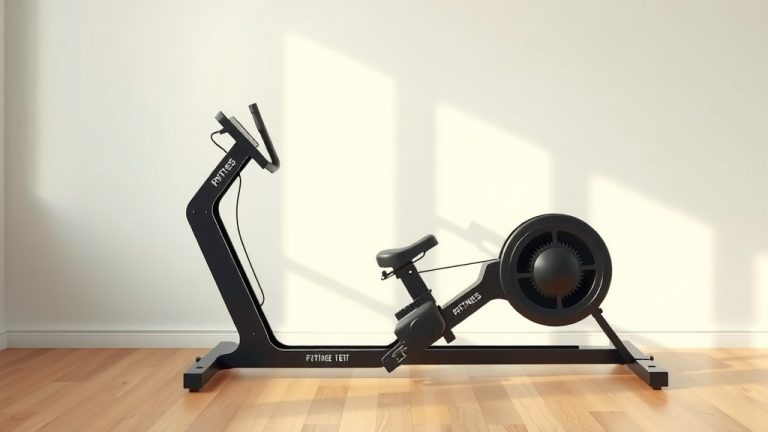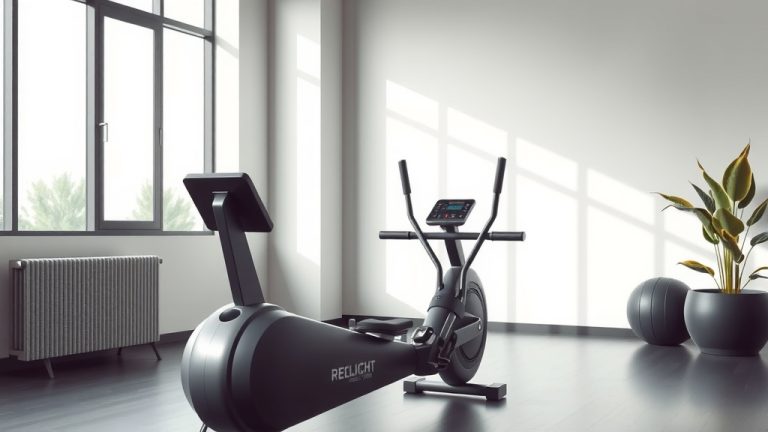
Is A Rowing Machine Good For Osteoarthritis?
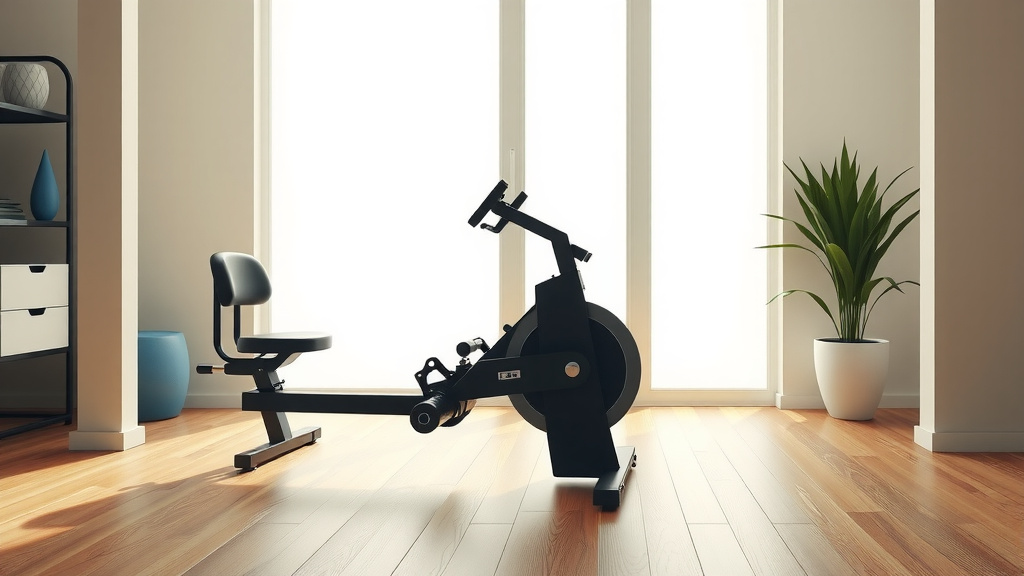
Yes, a rowing machine can be a surprisingly good option for people with osteoarthritis, especially when used with proper form.
It offers a low-impact, full-body workout that helps build muscle strength and joint stability without harsh pounding on your joints.
- A rowing machine provides a gentle, low-impact exercise for joints affected by osteoarthritis.
- It helps strengthen muscles around your hips, knees, and spine, offering better support and reducing pain.
- You get a full-body workout, engaging legs, core, and upper body in one smooth movement.
- Always adjust your technique to suit your body, focusing on controlled motions rather than speed or power.
- Consult your doctor or a physical therapist before starting any new exercise routine, including rowing.
Is A Rowing Machine Good For Osteoarthritis?
A rowing machine is often a great choice for managing osteoarthritis. It allows you to move your joints through a good range of motion. This movement helps lubricate your joints, which can ease stiffness and discomfort. Plus, you get a full-body workout without the high impact.
Why Low-Impact Exercise Matters for OA
When you have osteoarthritis, high-impact activities like running can sometimes make symptoms worse. Your joints already have worn cartilage. Pounding actions can irritate them further.
Low-impact options, like rowing, protect your joints. They allow you to exercise safely. You can build strength and improve fitness without stress.
Gentle Movement for Joint Health
Think of your joints like a well-oiled machine. Regular, gentle movement helps keep that “oil” flowing. Rowing encourages this natural lubrication.
Research shows that consistent, controlled movement can actually help nourish cartilage (NIH). This is key for those living with osteoarthritis. It supports overall joint health.
Building Muscle for Joint Support
Strong muscles around a joint act like natural shock absorbers. They absorb forces that would otherwise go directly to your cartilage.
Rowing works many major muscle groups. You strengthen your quads, hamstrings, glutes, back, and arms. This creates a powerful support system for your hips, knees, and spine.
The Full-Body Advantage of Rowing
Many exercises target just one part of your body. Rowing is different. It engages about 85% of your muscles in every stroke.
You push with your legs, pull with your arms, and engage your core. This efficiency means a great workout in less time. It helps improve your overall fitness level.
Cardiovascular Benefits, Too!
Beyond muscle and joint health, rowing is fantastic for your heart. It gets your heart rate up. You improve your cardiovascular endurance.
Keeping your heart healthy is a big part of your overall well-being (American Heart Association). A strong heart supports your body’s ability to heal and function.
Proper Rowing Form for Osteoarthritis Safety
Getting your form right is extra important with osteoarthritis. A smooth, controlled stroke prevents unnecessary strain. We found focusing on technique makes a huge difference.
Avoid rushing or using jerky movements. The power comes from your legs, not your back. Maintain a slight lean forward from your hips.
Checklist for Safe Rowing with OA
- Consult your doctor first.
- Start very slowly and with light resistance.
- Focus on smooth, controlled movements.
- Keep your back straight and core engaged.
- Adjust seat and foot straps for comfort.
- Listen to your body; stop if you feel sharp pain.
Adjusting Your Rowing Machine Settings
Most rowing machines let you change the resistance. Begin with a very low setting. This lets you focus on form without overworking your joints.
You can gradually increase resistance as your strength improves. Always prioritize comfort over intensity. Your body will thank you for it.
Different Types of Rowing Machines and OA
There are a few types of rowing machines. Each has a slightly different feel. Understanding them can help you pick the best one for your joints.
We found that magnetic and water rowers often offer a smoother, more consistent resistance. Air rowers can be very powerful but might feel less gentle to some users.
| Rowing Machine Type | How Resistance Works | Joint Impact for OA |
|---|---|---|
| Magnetic Rower | Magnets create resistance. | Very smooth, quiet, gentle on joints. Easy to adjust levels. |
| Water Rower | Water in a tank creates resistance. | Fluid motion, feels natural. Resistance increases with your effort. |
| Air Rower | Fan blades spin, creating air resistance. | Can be intense, noisier. Provides excellent full-body workout. |
| Hydraulic Rower | Hydraulic cylinders create resistance. | Compact, often cheaper. Arms move independently; less natural feel. |
Listening to Your Body: A Key Principle
This is perhaps the most important advice for anyone with osteoarthritis. Your body will tell you what it needs.
If you feel any sharp pain, stop immediately. A little muscle soreness is normal after exercise. Joint pain during or after a workout is a signal to adjust or rest.
When to Talk to Your Doctor
Before you begin any new exercise program, speak with your healthcare provider. This is especially true if you have a chronic condition like osteoarthritis.
They can offer personalized advice. They might suggest modifications or specific stretches. Many experts say a doctor’s guidance ensures your safety and effectiveness.
Conclusion
Using a rowing machine can be a fantastic way to stay active with osteoarthritis. It’s a low-impact, full-body workout that builds strength and supports joint health. Remember to start slow, focus on proper form, and always listen to your body.
With careful planning and a doctor’s OK, you can enjoy the many benefits of rowing. You can move more freely and feel stronger. It is about finding what works best for you and your joints.
Can rowing worsen my osteoarthritis symptoms?
Rowing itself shouldn’t worsen your symptoms if done with correct form and appropriate intensity. Bad form, too much resistance, or pushing through pain can irritate joints. Always focus on smooth, controlled movements.
What resistance level should I start with if I have OA?
Always begin with the lowest possible resistance setting on your rowing machine. This allows you to practice proper technique without stressing your joints. You can gradually increase it as your comfort and strength improve.
How often should I row with osteoarthritis?
Start with short sessions, perhaps 10-15 minutes, two to three times a week. See how your body reacts. As you get stronger and more comfortable, you might increase the duration or frequency. Many experts suggest aiming for 30 minutes most days (CDC).
Are there any modifications for hand or wrist OA when rowing?
Yes, if you have hand or wrist osteoarthritis, try using padded gloves for grip comfort. You can also experiment with a looser grip on the handle, letting the strap do more of the work. Some rowers offer different handle shapes; look for one that feels best for you.
What if I feel pain in my hips or knees during rowing?
If you experience pain in your hips or knees, stop rowing. Check your form to ensure you’re driving primarily with your legs and maintaining a stable core. Adjust your seat position or consider reducing your range of motion. Consulting a physical therapist can provide tailored adjustments.