Is A Rowing Machine Good For Shin Splints?
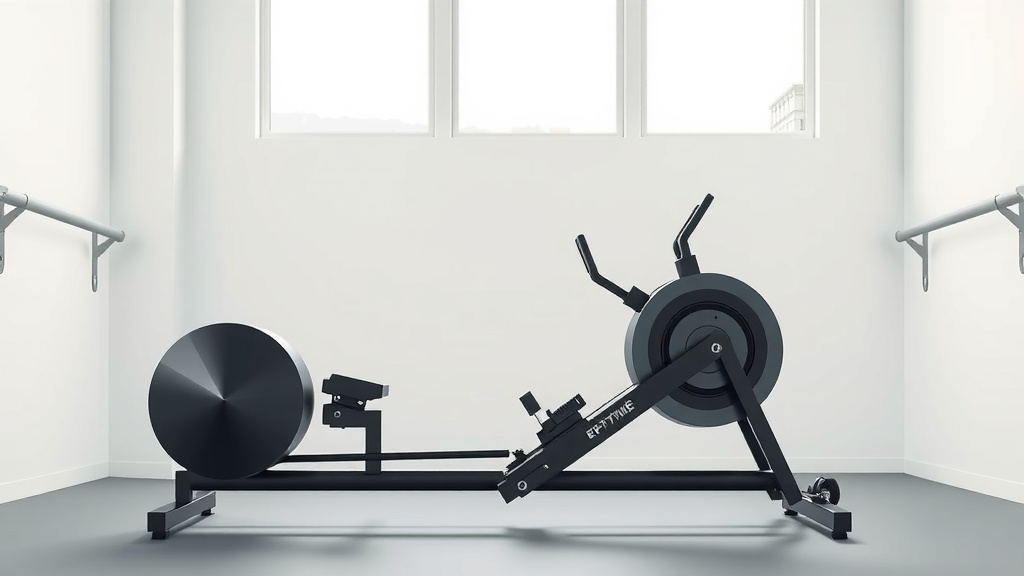
Yes, a rowing machine can be a great option for individuals with shin splints, offering a low-impact workout that helps build fitness without jarring your shins. It allows you to stay active while minimizing stress on the lower legs, making it a shin-friendly exercise choice.
A rowing machine is good for shin splints because it removes the repetitive ground impact common in running or jumping, which often causes or worsens shin pain. By focusing on smooth, controlled movements, it supports healing while strengthening your body.
- Rowing machines provide a low-impact workout, easing stress on your shins compared to running.
- Proper technique is key to avoiding shin pain while rowing.
- It helps strengthen supporting muscles without heavy impact.
- Adjusting foot straps and dampener settings can improve comfort.
- Always listen to your body and consult a doctor if pain continues.
Is A Rowing Machine Good For Shin Splints?
Absolutely, a rowing machine can be very beneficial for you if you are dealing with shin splints. We often find it’s a smart choice for many people looking to stay active.
It lets you work out hard without the heavy pounding on your legs that other exercises cause. This makes it a gentler way to move and build strength.
What Are Shin Splints?
Shin splints, or medial tibial stress syndrome, cause pain along the inner edge of your shin bone. This pain often pops up during or after exercise, especially with repetitive impact activities.
It’s not a single injury but rather a general term for pain in that area (Mayo Clinic). Many people experience it when they begin new exercise routines or ramp up their current ones too quickly.
How Do Shin Splints Happen?
Shin splints usually result from too much stress on your shin bone and the connective tissues around it. This stress often comes from repeated impact on hard surfaces or sudden increases in activity.
Factors like improper footwear, muscle imbalances, or poor running mechanics can also contribute. It’s like your body is telling you to ease off a little bit.
Rowing: A Low-Impact Choice for Shin Relief
One of the biggest advantages of rowing is its low-impact nature. Your feet stay strapped to the footrests, meaning there’s no direct impact with the ground.
This significantly reduces the jarring forces on your lower legs. Many experts say this makes it a safer option for sensitive shins.
Why Rowing Can Be Gentle
During a rowing stroke, the power comes from your legs, core, and arms, but the movement is smooth. You glide back and forth, pushing against resistance, not against the floor.
This allows your muscles to work hard without the repetitive strain. Research often connects this type of exercise with reduced injury risk for impact-sensitive areas (NIH).
Understanding the Stroke
The rowing stroke has four main parts: the catch, the drive, the finish, and the recovery. The drive phase is where your legs push the hardest, but it’s a controlled, horizontal push.
This distinct movement pattern is what protects your shins. It’s a bit like pushing a heavy sled across the floor, rather than jumping up and down.
Avoiding Shin Splint Flare-Ups on the Rower
While rowing is low-impact, using improper form can still create issues. If you push too hard with your toes or jerk your legs, you might still feel some discomfort.
The key is to pay close attention to your body and refine your technique. Let’s look at common pitfalls.
Watch Your Foot Placement
Make sure your feet are securely strapped in, but not too tight. Your feet should be flat on the footrests, with the straps over the widest part of your foot.
If your feet lift off the heel rests, or you push excessively through your toes, it can strain your shins. Keep your heels down for a stronger, safer push.
Don’t Overpower with Your Legs
The drive phase should be a strong, steady push with your legs, but not a frantic jab. Too much force too quickly can strain your shins, even without impact.
Focus on a smooth, controlled extension of your legs, then engage your core and arms. Think of it as a powerful, flowing motion rather than a sudden burst.
Dampener Settings Matter
The dampener setting on your rowing machine controls how much air enters the flywheel, affecting the “feel” of the stroke. A higher setting creates more resistance, feeling like a heavier boat.
If you’re recovering from shin splints, a lower dampener setting (like 3-5) might be gentler. It reduces the resistance, making the movement smoother and less taxing on your legs.
Your Guide to Shin-Friendly Rowing
To make the most of your rowing sessions and protect your shins, a few simple guidelines apply. It’s all about being mindful of your body and smart with your training.
Think of it as setting yourself up for success, one stroke at a time. Your shins will thank you for it.
Always Warm Up
Before you even touch the handle, do a 5-10 minute warm-up. Light cardio, dynamic stretches, and some bodyweight squats can prepare your muscles.
This gets blood flowing and makes your muscles more pliable. A good warm-up is like greasing the gears; it makes everything run much smoother.
Master Your Technique
Correct form is your best friend when it comes to shin splints. Focus on the sequence: legs, then core, then arms for the drive. Reverse for the recovery: arms, then core, then legs.
Avoid jerking motions or using only your arms. We find that focusing on a steady, consistent rhythm really helps. Here’s a quick breakdown:
| Common Error | Shin-Friendly Fix |
|---|---|
| Pushing only with toes | Push through your whole foot, keeping heels down. |
| Jerking legs quickly | Smooth, controlled leg drive; avoid sudden bursts. |
| Hunching over | Maintain a tall, strong posture; engage your core. |
| “Piking” at the catch | Keep core engaged; avoid collapsing forward from hips. |
The Drive Phase
During the drive, push with your legs first, feeling your glutes and quads engage. Your shins should not feel a direct impact or strain.
It’s a powerful push, but it should feel like you’re driving through the footrests, not just off your toes. This helps distribute the work more evenly.
Choose the Right Shoes
The shoes you wear on the rower also matter, even though your feet are strapped in. Flat-soled athletic shoes provide a stable base and help transfer power efficiently.
Avoid overly cushioned or unstable shoes. Many experts recommend footwear that offers good support without bulk (Cleveland Clinic).
Prioritize Recovery
After your workout, dedicate time to cooling down and stretching. Gentle stretches for your calves, shins, and hamstrings can make a big difference.
Consider foam rolling your calves and shins too. This can help release tight muscles and support faster recovery.
- Cool Down: 5 minutes of light rowing.
- Calf Stretches: Hold each for 30 seconds.
- Shin Stretches: Gently flex and extend your feet.
- Foam Rolling: Focus on calves and shins.
- Rest Days: Allow your body time to repair.
When to Seek Medical Advice
While rowing can be safe with shin splints, it’s not a substitute for medical care if your pain is severe or constant. If the pain doesn’t improve with rest or gentle activity, it’s time to see a doctor.
They can rule out more serious conditions, like stress fractures, and provide a proper diagnosis. Your well-being is always the top priority.
Conclusion
A rowing machine is a fantastic tool for maintaining fitness and building strength, even when you’re dealing with shin splints. Its low-impact nature makes it a kinder choice for your lower legs.
Remember to focus on proper technique, warm up thoroughly, and listen to your body’s signals. By following these guidelines, you can enjoy an effective workout while protecting your shins. Stay consistent, stay safe, and keep on rowing!
Can rowing make shin splints worse?
Rowing itself is low-impact, but improper technique can worsen shin splints. Pushing too hard with your toes, a sudden jerky leg drive, or having foot straps too tight can place undue stress on your shins. Always prioritize correct form and a smooth stroke to keep your shins happy.
What exercises should I avoid with shin splints?
If you have shin splints, it’s generally best to avoid high-impact activities that involve repetitive pounding. This includes running, jumping, intense plyometrics, and sometimes even aggressive walking on hard surfaces. Focus on low-impact alternatives like rowing, swimming, or cycling.
How long should I rest shin splints before rowing?
The rest period for shin splints varies for everyone, depending on the severity of your pain. Listen to your body and avoid activities that cause pain. Once the acute pain has subsided, you can slowly reintroduce gentle, low-impact exercises like rowing, starting with short durations and low intensity.
Are there specific stretches for shin splints before rowing?
Yes, gentle stretches for your calf muscles (like calf raises and wall pushes) and shin muscles (like ankle dorsiflexion exercises) can be very helpful before rowing. Warming up these areas can improve flexibility and blood flow, reducing the risk of discomfort during your workout.
Can foot positioning on the rower affect shin splints?
Absolutely, foot positioning plays a role. Ensure your feet are securely strapped to the footrests, with the strap crossing the widest part of your foot. Keep your heels down throughout the drive phase and avoid pushing excessively through your toes, as this can put extra strain on your shins.