
Is a Rowing Machine or Treadmill Better for Small Apartments?
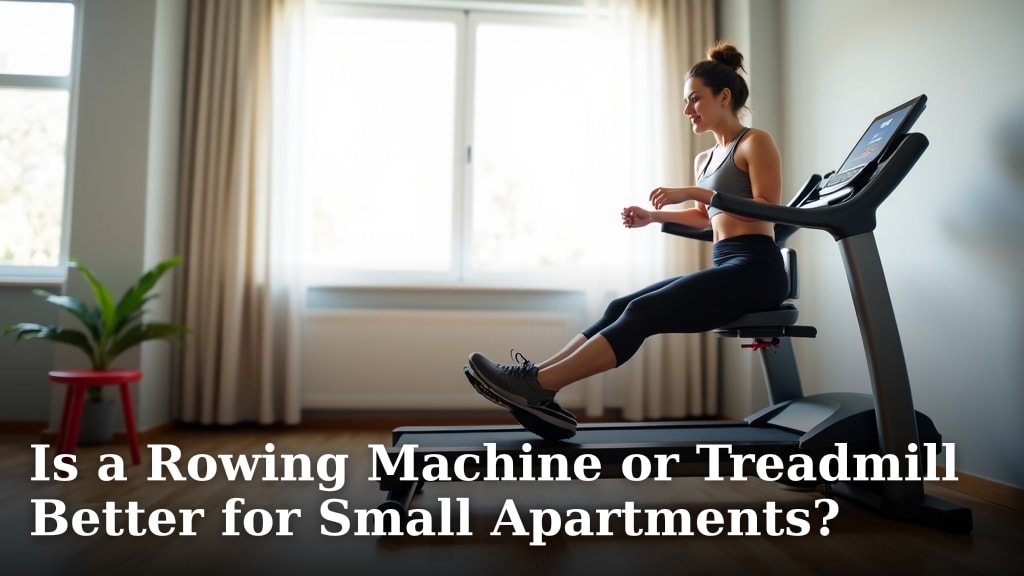
For a small apartment, a rowing machine is often a better choice than a treadmill. While both offer great workouts, rowers tend to be more space-efficient and quieter. This makes them a more practical option when square footage is limited.
Deciding between home fitness equipment can be tricky. You want an effective workout without turning your living room into a gym. We found that the footprint and noise levels are key factors for apartment dwellers. Considering these can help you make the best choice for your home.
- Rowing machines are generally more compact.
- They often operate more quietly than treadmills.
- Consider the storage needs for each machine.
- Both provide excellent cardiovascular exercise.
Let’s break down the pros and cons of each for your apartment life.
Choosing Your Apartment Fitness Equipment: Treadmill vs. Rower
When space is tight in your apartment, picking the right exercise machine can feel like a puzzle. You want a great workout without sacrificing your living area. We’ve researched how treadmills and rowing machines stack up for city living.
Let’s dive into the details to see which fits your apartment best. We’ll look at size, noise, workout effectiveness, and storage.
Space Saving and Storage Solutions for Apartments
One of the biggest concerns for apartment dwellers is space. You don’t want a machine that takes over your home. We found that both treadmills and rowers have their own space considerations.
The Footprint of Fitness Machines
Treadmills are typically quite **large and bulky**. Even folding treadmills can be hefty. They have a long base and a tall upright structure for the console and safety rails. When in use, they need a clear path in front and behind.
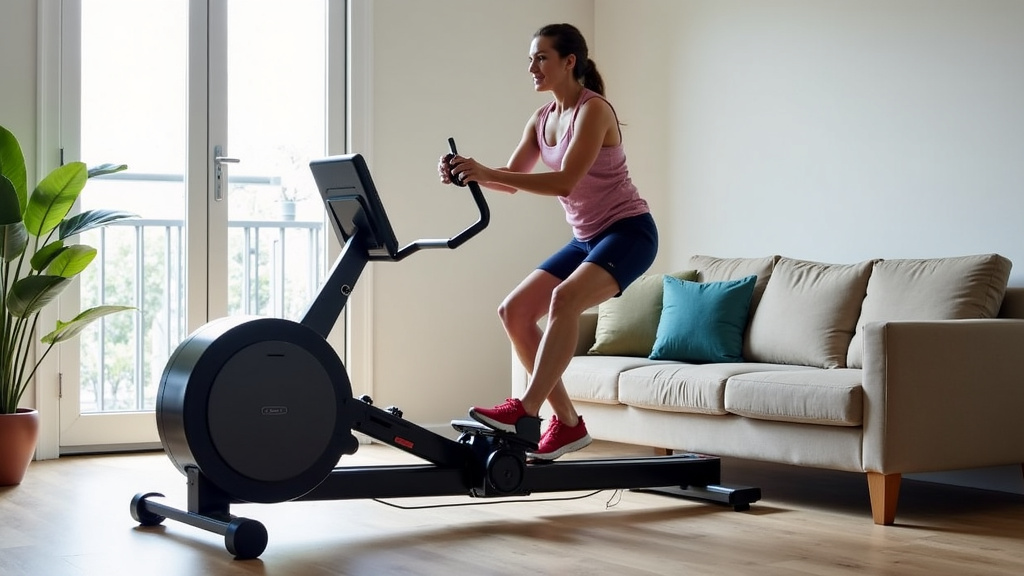
Rowing machines, on the other hand, often have a **slimmer profile**. While they can be long, their width is usually much less. Many models are designed to stand upright when not in use. This dramatically reduces their floor space needs.
Folding and Storing Your Equipment
Some treadmills offer a folding feature. The deck lifts up to meet the console. This makes them narrower, but they remain quite **long and heavy**. You’ll still need a dedicated spot for it, perhaps against a wall.
Many rowers can be stored **vertically**. This is a huge advantage for small apartments. You can simply lean it against a wall in a corner. Some even have wheels for easier moving. This makes storage far more practical than most treadmills.
Comparing Physical Dimensions
A typical treadmill might measure around 70-80 inches long by 30-35 inches wide. When folded, it might be 30-40 inches deep. A good rowing machine can be 70-90 inches long, but often only 20-25 inches wide. When stored vertically, it takes up very little floor space.
| Machine Type | Typical Length | Typical Width | Typical Height (In Use) | Storage Footprint |
|---|---|---|---|---|
| Treadmill (Standard) | 70-80 inches | 30-35 inches | 50-60 inches | Large (even when folded) |
| Rowing Machine (Standard) | 70-90 inches | 20-25 inches | 20-30 inches | Very Small (when stored vertically) |
Noise Levels and Neighbor Considerations
Living in an apartment means being mindful of your neighbors. Loud noises can cause friction. We found that noise is a major difference between these machines.
The Sound of a Treadmill
Treadmills can be quite **noisy**. The motor hums, and the belt creates friction. Your footsteps hitting the belt also generate sound. This can travel through floors and walls.
Even with a good treadmill mat, the noise can still be substantial. Running at higher speeds or inclines will increase the sound. You might need to time your workouts carefully to avoid disturbing others.
The Sound of a Rowing Machine
Rowing machines are generally much **quieter**. The noise level depends on the type of resistance. Air rowers make a “whooshing” sound with each stroke. Magnetic and water rowers are even quieter.
The sound is more of a steady hum or swoosh. It’s less jarring than the impact noise of a treadmill. We found that the sound of a rower is less likely to bother downstairs neighbors. You can often work out at most times of the day.
Types of Rowing Machine Noise
Air rowers are the loudest type, but still not as loud as a treadmill. Magnetic rowers are very quiet, often only producing a faint hum. Water rowers mimic the sound of rowing on water, which is quite pleasant and not disruptive.
Minimizing Noise in Your Apartment
Regardless of your choice, a **thick exercise mat** is essential. This helps dampen vibrations. For treadmills, consider models with quieter motors if possible. For rowers, magnetic or water resistance will offer the quietest experience.
Workout Effectiveness and Variety
Both machines offer excellent cardiovascular benefits. They can help you improve your fitness and burn calories. However, they work different muscle groups and provide different types of workouts.
The Treadmill Workout: Cardio Focus
Treadmills are primarily for **cardiovascular exercise**. You can walk, jog, or run. This is great for endurance and burning calories. You can also work on speed and stamina.
Running and walking engage your lower body muscles. Your legs, glutes, and hips get a good workout. It’s also weight-bearing, which can help with bone density (National Osteoporosis Foundation).
The Rowing Machine Workout: Full Body Engagement
Rowing is a true **full-body exercise**. It works your legs, core, back, and arms. This makes it very efficient for building overall strength and cardiovascular fitness simultaneously.
You engage about 80% of your muscles when you row. This includes your quadriceps, hamstrings, glutes, calves, abs, obliques, lower back, lats, shoulders, and biceps. This comprehensive engagement is hard to match with a treadmill.
Benefits of Full-Body Training
A full-body workout like rowing can be very time-efficient. You get cardio and strength training in one session. This can be ideal when you have limited time to exercise in your apartment.
Which Workout is “Better”?
There’s no single “better” workout. It depends on your fitness goals. If you’re training for a race or prioritizing running, a treadmill is key. If you want a balanced, full-body workout that’s easier on the joints, rowing is often preferred.
For apartment living, the **full-body efficiency** of rowing is a major plus. You get more muscle engagement in less time. This can make your workouts feel more impactful.
Maintenance and Durability
Keeping your equipment in good working order is important. You want a machine that lasts. We looked at how easy they are to maintain.
Treadmill Maintenance Needs
Treadmills have more moving parts. The motor and belt require occasional **lubrication and adjustment**. You might need to tighten the belt or clean under it. They can also be susceptible to electrical issues.
Rowing Machine Maintenance Needs
Rowing machines generally require **less maintenance**. For magnetic and water rowers, it’s minimal. Air rowers might need occasional checks on the fan. Overall, they are known for their **durability and simplicity**.
Your Apartment Fitness Checklist
Before you decide, run through this quick checklist:
- Do you have enough floor space for a treadmill even when folded?
- How important is it for your machine to store vertically?
- Are you concerned about noise disturbing your neighbors?
- Do you prefer a running-focused workout or a full-body session?
- How much maintenance are you willing to do?
- What’s your budget for equipment and potential soundproofing mats?
Conclusion
When choosing between a rowing machine and a treadmill for your small apartment, the rowing machine often comes out on top. We found that its compact storage, especially the ability to stand vertically, and its quieter operation make it a superior choice for close living quarters. While treadmills offer a great cardio workout, rowers provide an efficient full-body exercise that engages more muscles. Consider your space limitations and neighborly duties. Your next step is to measure your available space and look for a rower that fits your apartment’s footprint and your fitness goals.
Frequently Asked Questions
How much space does a rowing machine actually take up in an apartment?
Rowing machines typically have a slim profile, often around 20-25 inches wide. While they can be long when in use, many fold up or can be stored vertically against a wall. This makes their long-term footprint much smaller than most treadmills.
Are rowing machines really quieter than treadmills for apartment living?
Yes, research indicates rowing machines are generally much quieter. The sound is usually a steady hum or whoosh, especially with magnetic or water rowers. Treadmills, with their motors and foot impact, tend to create more disruptive noise that can travel through floors.
Can a rowing machine provide a good enough cardio workout compared to a treadmill?
Absolutely. Rowing is an excellent form of cardiovascular exercise that can significantly improve your heart health and endurance. While treadmills focus mainly on lower body cardio, rowing offers a full-body cardiovascular challenge.
What if I have very limited floor space for storage?
If floor space is extremely limited, a rowing machine is likely your best bet. Their ability to stand upright means they can be tucked away in a corner or against a wall, using very little floor real estate when not in use.
Which machine is better for someone with joint issues in an apartment?
For those with joint concerns, a rowing machine is often recommended. The rowing motion is low-impact and fluid, making it gentler on your knees and hips compared to the repetitive pounding of running on a treadmill.
