
Is a Rowing Machine Safe to Use Daily for Someone over 60?

Is Rowing a Safe Daily Workout for Seniors Over 60?
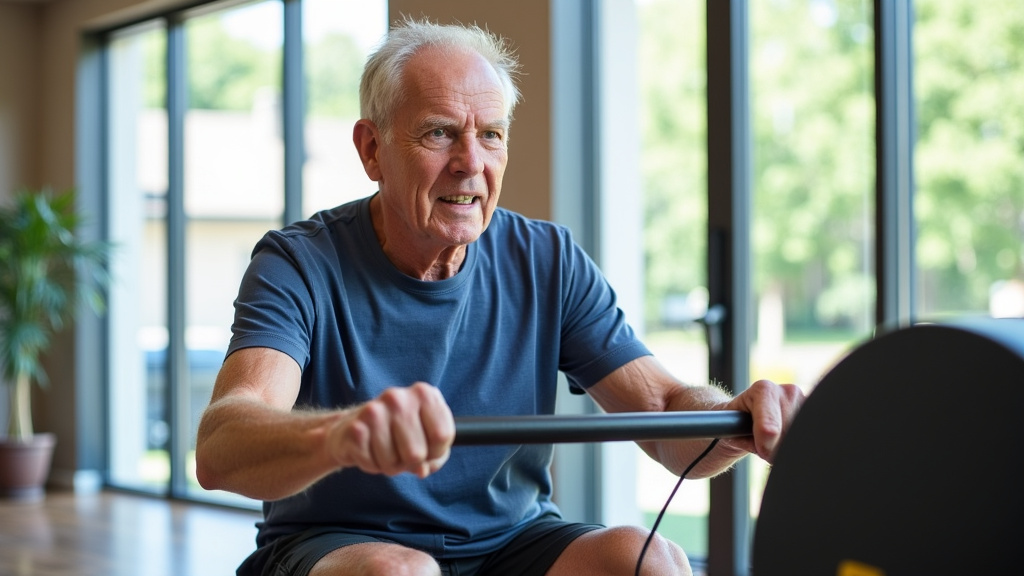
Yes, daily use of a rowing machine is generally safe and highly beneficial for many people over 60. The key is listening to your body and prioritizing proper form. Think of it like walking—gentle, daily movement is wonderful for your health, but you wouldn’t walk with a limp. The same logic applies here. With the right approach, rowing can be a fantastic, low-impact friend for your fitness journey.
Why Rowing is a Smart Choice for Aging Bodies
Rowing isn’t just good exercise; it’s particularly well-suited for seniors. It’s a full-body, low-impact workout. This means it works your muscles and heart without the jarring shock to your joints that comes from running or jumping. We found that this combination is a sweet spot for maintaining strength and cardiovascular health as we age.
The Low-Impact, Full-Body Advantage
When you sit on a rower, you engage nearly 86% of your body’s muscles in one smooth motion. You’re working your legs, core, back, and arms. Yet, because your feet stay planted and you’re seated, your knees, hips, and back are protected from impact. This makes it a kinder option for sensitive joints while still building comprehensive strength.
The smooth, rhythmic motion is also excellent for heart health. It gets your blood pumping in a steady, sustainable way. Many health organizations, like the CDC, recommend regular aerobic activity for older adults, and rowing fits this perfectly.
Building Strength to Support Daily Life
The strength you build on a rower isn’t just for show. It directly translates to daily activities. A stronger back helps you carry groceries. Stronger legs help you climb stairs. Core stability improves your balance, reducing the risk of falls. This functional fitness is what keeps you independent and active for years to come.
The Most Important Safety Rule: Form First, Always
If there’s one thing to remember, it’s this: bad form on a rower is where trouble starts. But the good news? Perfect form is simple to learn and feels amazing when you get it. It’s not about pulling hard; it’s about moving correctly.
The Four-Part Stroke, Demystified
Think of the rowing stroke as four simple moves chained together. Practice them slowly at first.
- The Catch: Sit with knees bent, shins vertical, arms straight, leaning forward slightly from your hips. This is your starting point.
- The Drive: Push with your legs first. Once your legs are almost straight, swing your back open. Finally, pull the handle to your lower ribs with your arms. Legs, back, arms—that’s the power sequence.
- The Finish: You’re leaning back slightly, handle at your body, legs straight. Sit tall here for a moment.
- The Recovery: Reverse the motion. Arms away, body forward, then bend your knees to slide back to the catch. Don’t rush this part.
Common Mistakes That Can Cause Strain
We often see two main errors. First, pulling with the arms too early during the drive. Remember, your powerful leg muscles do the heavy lifting. Second, hunching the shoulders. Keep them relaxed and down, away from your ears. If you feel strain in your lower back, it likely means you’re bending your spine instead of hinging from the hips.
Crafting Your Safe Daily Rowing Routine
You don’t need to row for an hour to get benefits. Consistency is far more important than duration, especially when starting. A manageable 15-20 minute session, several days a week, is a powerful foundation.
Starting Slow and Listening to Your Body
If you’re new to exercise or returning after a break, begin with just 3-4 days a week. Use a light resistance setting. Focus entirely on feeling the correct muscles work. Your body will tell you if it’s too much—pay attention to any sharp pain (as opposed to normal muscle fatigue).
A good rule of thumb is the “talk test.” You should be able to carry on a conversation while rowing at a moderate pace. If you’re gasping for air, ease up.
Sample Weekly Structure for Beginners
| Day | Workout Focus | Duration/Intensity |
|---|---|---|
| Monday | Technique & Warm-up | 15 mins, very light resistance |
| Wednesday | Steady State Cardio | 20 mins, moderate, conversational pace |
| Friday | Active Recovery | 10-15 mins, very light, or cross-train |
| Sat/Sun | Rest or Gentle Walk | Listen to your body! |
This gives your muscles time to recover and adapt, which is when real strengthening happens.
Warm-Up and Cool-Down are Non-Negotiable
Imagine trying to fold a piece of cold, stiff plastic. It might crack. Warm it up first, and it bends easily. Your muscles and joints are the same. Never skip this part.
Simple 5-Minute Warm-Up Routine
Start with 2 minutes of easy rowing to get blood flowing. Then, get off the machine and do some dynamic stretches: leg swings, arm circles, torso twists. This prepares your body for the specific movements ahead.
Why a Cool-Down Helps Recovery
After your row, don’t just stop. Spend 3-5 minutes rowing at a very light pace, gradually slowing down. This helps your heart rate return to normal gently and can reduce post-workout muscle stiffness. Follow it with some static stretches, holding each for 20-30 seconds, focusing on your back, hamstrings, and shoulders.
When to Talk to Your Doctor First
While rowing is safe for most, it’s always wise to consult your healthcare provider before starting any new exercise program. This is especially important if you have pre-existing conditions. Be open about your plans.
Key Conditions to Discuss
- Recent Surgery: Especially hip, knee, or back surgery.
- Unmanaged High Blood Pressure: Rowing is excellent for BP, but you need a doctor’s clearance.
- Balance or Dizziness Issues: Getting on and off the machine requires stability.
- Severe Osteoporosis: Your doctor can advise on safe resistance levels.
A conversation with your doctor isn’t a hurdle—it’s a partnership in making your workout as safe and effective as possible.
Your Safety Checklist: Before You Row
Use this quick list before each session to ensure you’re set up for success.
- Form Check: Am I starting with a tall posture and straight arms?
- Resistance Setting: Is it on a manageable, low-to-moderate level?
- Seat & Foot Straps: Is the seat gliding smoothly? Are my feet secure?
- Warm-Up Done: Have I spent 5 minutes getting my body ready?
- Mindset: Am I focusing on smooth technique, not just pulling hard?
Finding the Right Rowing Machine for You
Not all rowers are the same. Comfort and accessibility matter. An air rower can be loud, while a magnetic rower is very quiet. A water rower has a pleasant, realistic feel. The most important thing is that it’s easy for you to get on and off. Look for a low seat height and a sturdy frame. Some models even have seats on rails that make standing up easier.
Features That Enhance Safety and Comfort
An easy-to-read monitor helps you track pace without fuss. A comfortable, padded seat makes longer sessions more enjoyable. A smooth, quiet machine won’t disrupt your home. Investing in a quality machine from a reputable brand often means better construction and safety features.
Rowing is a Journey, Not a Race
Starting a new exercise at 60 or beyond is a courageous and wonderful step. Be patient with yourself. Some days will feel easier than others. That’s completely normal. The goal is to build a sustainable habit that supports a vibrant, active life.
Many people in their 60s, 70s, and 80s find rowing to be a life-changing habit. It strengthens the body, clears the mind, and builds a quiet confidence. You’re not just working out; you’re investing in your independence and your future self. So, take that first gentle pull, focus on your form, and enjoy the incredible ride. Your body will thank you for it.
Conclusion
So, is a rowing machine safe for daily use over 60? The answer is a resounding yes, provided you respect your body and master the form. Rowing offers a fantastic, low-impact way to build full-body strength and cardiovascular health. Remember to start with just a few days a week, prioritize smooth technique over intensity, and never skip your warm-up. Listen to your body’s signals—it will tell you what it needs. Your next step is simple: talk to your doctor to get cleared, then focus on learning the four-part stroke. With patience and consistency, you can safely unlock all the incredible benefits rowing has to offer.
Frequently Asked Questions
How many days a week should a senior row?
Start with 3-4 non-consecutive days per week to allow for proper recovery. You can gradually work up to 5 days if you feel strong and have no pain. Always listen to your body and include rest days in your weekly plan.
What should I do if my back hurts after rowing?
Stop and assess your form. Back pain often comes from bending your spine instead of hinging at the hips. Next session, focus entirely on keeping your back straight and driving with your legs. If the pain persists, consult a doctor or physical therapist.
Can I use a rowing machine if I have bad knees?
Yes, it’s often recommended because it’s low-impact. The smooth motion avoids the jarring stress of running. However, you must use proper form and start with low resistance. Always get your doctor’s approval first to ensure it’s safe for your specific condition.
Do I need a special rowing machine for home use?
Look for a machine with a comfortable seat, secure foot straps, and smooth operation. Magnetic or water rowers are often quieter than air models. The most important feature is a low seat height for easy and safe mounting and dismounting.
How long until I see benefits from rowing?
You may feel better and more energetic within a few weeks. Noticeable improvements in strength and endurance often become clear after 6-8 weeks of consistent, proper rowing. The key benefits are cumulative and reward a steady, patient approach.
