Is Rowing Machine Bad For Lower Back Pain?
No, a rowing machine is not inherently bad for lower back pain. In fact, for many people, it can be a highly effective and low-impact exercise for strengthening the muscles that support your spine.
Proper rowing form is key to preventing and even alleviating lower back pain, as incorrect technique is often the root cause of discomfort.
- Rowing can strengthen your core and back muscles, which helps support your spine.
- Poor form, especially rounding your back, is the main reason rowing might cause back pain.
- Learning the correct technique and engaging your core is vital for safe and effective rowing.
- Listen to your body; if you feel pain, stop and assess your form or consult a professional.
- A rowing machine can be a great tool for fitness if you use it wisely and with care.
Is Rowing Machine Bad For Lower Back Pain?
You might worry if a rowing machine will hurt your lower back. The simple answer is that a rowing machine is not bad for your lower back pain when used correctly. Instead, it offers a fantastic, full-body workout that can even help your back.
Understanding Rowing and Your Back
Think of rowing like any powerful exercise tool. When you use a hammer correctly, it builds something amazing. If you swing it wrong, you might hit your thumb. A rowing machine works the same way for your back.
The Good News: Rowing’s Benefits for Your Core
We found that regular rowing can strengthen your entire posterior chain. This includes your glutes, hamstrings, and crucial back muscles. A strong core, which rowing certainly builds, helps stabilize your spine. This can actually reduce existing lower back pain (Mayo Clinic).
Many experts say that rowing is a low-impact exercise. This means less stress on your joints compared to running. This can be great if you want to stay active without jarring your spine.
Why Rowing Can Cause Back Pain (If Not Done Right)
So, if rowing is so good, why do some people feel back pain? It almost always comes down to form. If you round your back or use your arms too much, you put undue stress on your lumbar spine. This is like trying to lift a heavy box with just your arms instead of your legs.
Mastering Proper Rowing Form
Getting your technique right is the most important step. It protects your back and makes your workout more effective. Let’s break down the rowing stroke into its key parts.
The Catch Phase: Starting Strong
At the start, your knees are bent, and your shins are vertical. Lean forward slightly from your hips, keeping your back straight. Your arms should be extended forward. Think of yourself as ready to push off a wall with your feet.
The Drive Phase: Powering Through
This is where the magic happens. Push powerfully with your legs first. As your legs extend, lean back slightly from your hips. Only then do you pull the handle towards your upper abdomen. Your core should be engaged and strong throughout this movement.
The Finish Phase: Controlled Release
At the end of the drive, your legs are straight. You lean back a little, and the handle is at your rib cage. Your back should still be flat, not rounded or over-arched. This position should feel strong and stable.
The Recovery Phase: Gliding Back
It is like rewinding a video. Extend your arms first, then lean forward from your hips. Finally, allow your knees to bend. Glide smoothly back to the catch position. Do not rush this part; control is important.
Crucial Tips for Protecting Your Back
Beyond perfect form, a few other things can help keep your back happy on the rower.
Warm-Up Before You Row
Always warm up your muscles. A few minutes of light cardio and dynamic stretches prepare your body. This makes your muscles more flexible and less prone to strain (NIH).
Listen to Your Body
Pain is your body’s warning system. If you feel sharp pain in your lower back, stop. It is better to rest or adjust your form than to push through pain and cause injury. Many guidelines suggest stopping immediately if you feel discomfort (Cleveland Clinic).
Strengthening Your Core Off The Machine
Remember, a strong core helps protect your back everywhere. Incorporate exercises like planks, bird-dog, and glute bridges into your routine. These movements build a solid foundation for your rowing. We found that a well-rounded fitness plan supports better athletic performance and injury prevention.
When to Talk to a Doctor
If you have a history of back injuries or existing back pain, talk to your doctor or a physical therapist. They can tell you if rowing is right for you. They can also offer specific form adjustments or exercises tailored to your needs.
Choosing the Right Rowing Machine
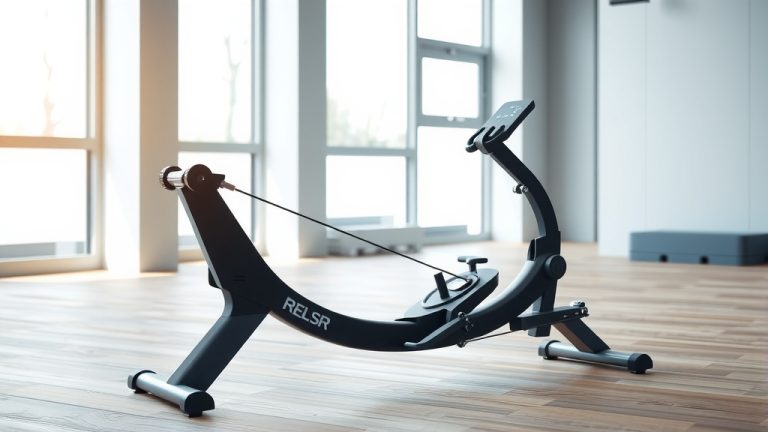
While most rowing machines are designed similarly, some offer more comfort. Look for a machine with a comfortable, padded seat. Also, consider models where the footrests adjust easily to fit your body. This helps you maintain proper alignment. We found that a good fit can make a big difference.
Common Mistakes to Avoid
Here is a quick overview of what not to do when you are on the rower:
- Rounding your back: This puts direct strain on your lumbar spine. Always keep your back straight and neutral.
- Pulling with arms too early: Your legs should initiate the drive. Arms come last in the sequence.
- Over-extending at the finish: Do not lean back too far; this can also strain your back.
- Rushing the recovery: Take your time on the return stroke. Controlled movement is safer.
- Ignoring core engagement: Your abdominal muscles are your body’s natural brace. Keep them active.
| Stroke Phase | Back-Friendly Form | Back-Straining Form |
|---|---|---|
| Catch | Lean from hips, straight back | Rounded lower back |
| Drive | Legs push first, slight body lean | Arms pull early, hunched shoulders |
| Finish | Strong core, slight lean back | Over-arched or slumped back |
| Recovery | Arms extend first, controlled return | Rushed, letting seat crash forward |
Here’s a simple checklist to keep your back happy:
- Maintain a neutral spine: No rounding, no excessive arching.
- Engage your core muscles: Brace your abs throughout the stroke.
- Drive with your legs first: Power comes from your glutes and quads.
- Keep shoulders relaxed: Avoid shrugging or hunching.
- Use a smooth, controlled rhythm: Avoid jerky or rushed movements.
Conclusion
So, is a rowing machine bad for lower back pain? Not at all, when used correctly. It can be a fantastic way to build strength, improve posture, and get a great cardiovascular workout. By focusing on proper form, listening to your body, and preparing with a warm-up, you can enjoy all the benefits of rowing without compromising your back health. Remember, your body is smart; pay attention to its signals, and you will build a stronger, healthier you.
What is the ideal posture for rowing to avoid back pain?
The ideal posture involves a straight, neutral spine throughout the entire stroke. Lean slightly forward from your hips at the catch, then slightly back at the finish. Avoid any rounding or excessive arching of your lower back. Your core muscles should stay engaged to support your spine.
Can rowing help strengthen my back muscles?
Yes, absolutely. Rowing engages a wide range of muscles, including those in your upper and lower back, glutes, and hamstrings. When done with proper form, it strengthens these muscles, which can significantly improve spinal support and reduce the risk of back pain.
How can I tell if my rowing form is causing back pain?
If you feel discomfort, tightness, or sharp pain in your lower back during or after rowing, it is a strong sign your form might be off. Pay attention to whether you are rounding your back, pulling with your arms too early, or not engaging your core. A mirror or video recording can help you spot issues.
Should I row if I have a pre-existing back injury?
If you have a pre-existing back injury or chronic lower back pain, you should always consult with a doctor or physical therapist before starting a rowing routine. They can assess your condition and advise if rowing is safe for you, or suggest modifications to prevent further injury.
What are some alternatives to rowing if it aggravates my back?
If rowing consistently bothers your back, you might consider other low-impact cardio options. Exercises like swimming, cycling (especially recumbent bikes), or using an elliptical machine can offer a good workout with less direct spinal loading. Focus on exercises that allow you to maintain a neutral spine and engage your core without pain.