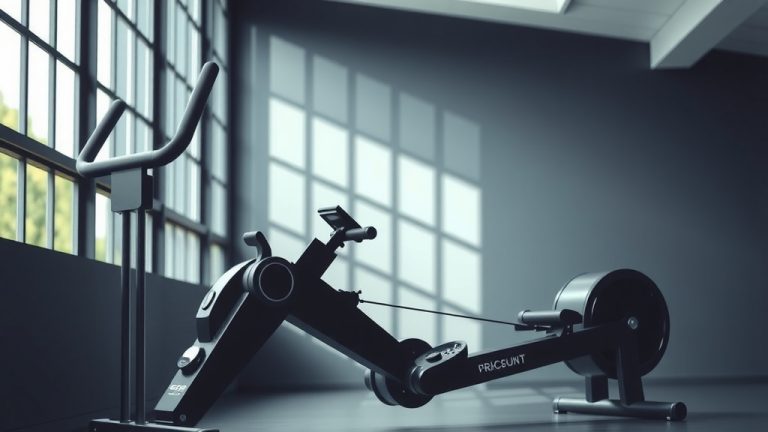
Is Rowing Machine Cardio?
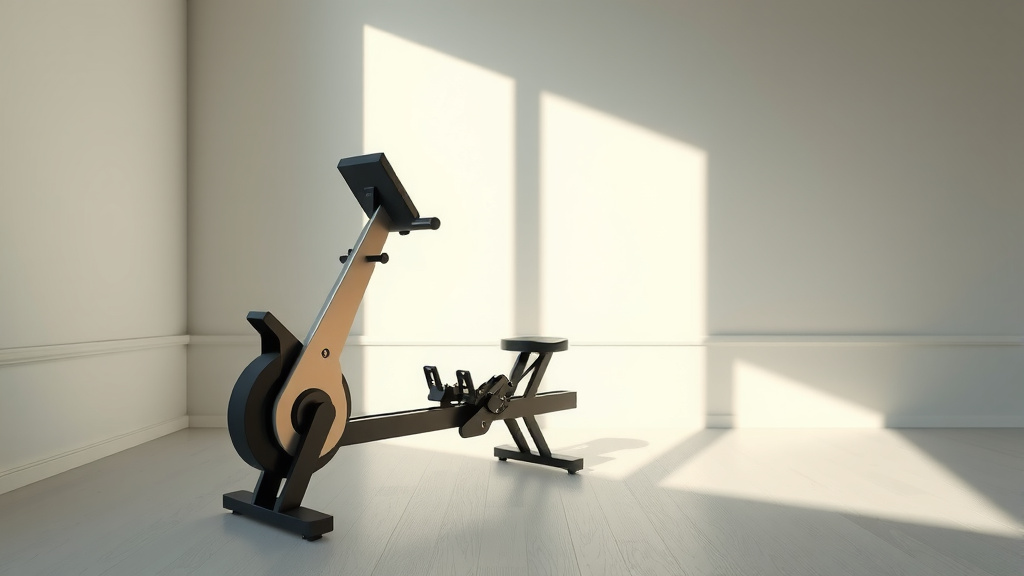
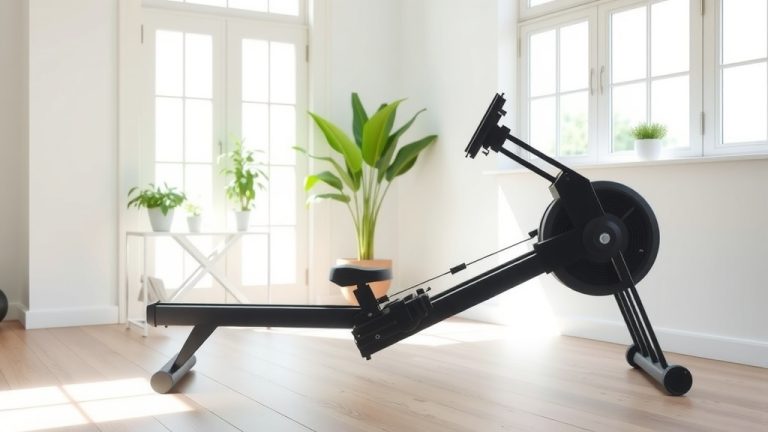
Yes, a rowing machine is absolutely cardio, offering a powerful, full-body cardiovascular workout that elevates your heart rate and strengthens your lungs. It combines strength and endurance into one efficient fitness tool.
When you use a rowing machine, you engage large muscle groups simultaneously, making it an incredibly effective way to improve your aerobic capacity and overall heart health.
-
Rowing machines deliver a fantastic cardiovascular workout, boosting heart and lung health.
-
They provide a full-body exercise, engaging legs, core, arms, and back all at once.
-
You can adjust intensity for steady-state cardio or high-intensity interval training (HIIT).
-
Rowing offers a low-impact option, making it gentler on your joints than running.
-
Many experts consider it one of the most efficient cardio machines available for calorie burn.
Is Rowing Machine Cardio?
A rowing machine is indeed a stellar choice for cardio training, often considered among the best. It gives you a comprehensive cardiovascular workout, hitting major muscle groups and driving your heart rate up effectively.
The Full-Body Workout Power
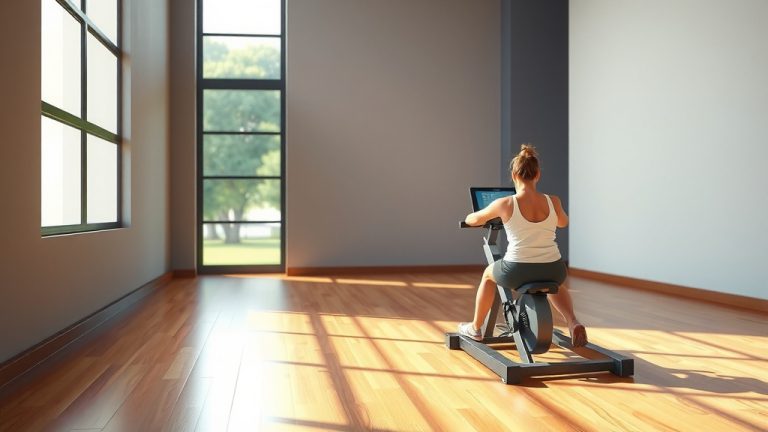
Think of rowing as a symphony of muscle engagement. You push with your legs, lean back with your core, and pull with your arms and back. This coordinated effort involves about 86% of your body’s muscles (American Fitness Professionals & Associates).
This massive muscle activation means your heart works harder to pump blood to all those working parts. The result? An impressive cardio burn that few other exercises can match.
Boosting Your Heart Health
Regular rowing sessions are a fantastic way to keep your heart strong. As you consistently elevate your heart rate, your heart becomes more efficient. This means it can pump more blood with each beat.
Over time, this leads to a lower resting heart rate and improved cardiovascular endurance. Research shows that cardio exercise like rowing can reduce risks of heart disease (CDC).
Beyond Just Pumping Blood
It’s not just about the heart itself. Good cardio workouts help improve your circulation. They can also help manage blood pressure and cholesterol levels.
Many experts say that consistent aerobic activity is a cornerstone of overall well-being. Think of it as preventative maintenance for your most important organ.
Understanding Your Cardio Zones
To truly get the most from your rowing machine cardio, it helps to understand heart rate zones. These zones tell you how hard your heart is working. You can tailor your workout for different goals.
Target Heart Rate Basics
Your maximum heart rate is generally estimated as 220 minus your age. For example, if you’re 30, your max is around 190 beats per minute (bpm).
For a moderate cardio workout, you aim for 50-70% of your max heart rate. For vigorous cardio, you’re looking at 70-85% (Mayo Clinic). Tracking this helps you know if you’re hitting your mark.
Rowing for Different Goals
Want to build endurance? Aim for steady-state rowing in that moderate zone for a longer duration. Looking to burn serious calories and boost fitness? Push into the vigorous zone with intervals. We found that varying your intensity keeps your body guessing and adapting.
Measuring Your Rowing Workout’s Effectiveness
How do you know if your rowing machine is really delivering that cardio punch? There are several ways to gauge your effort and progress.
Key Metrics on Your Monitor
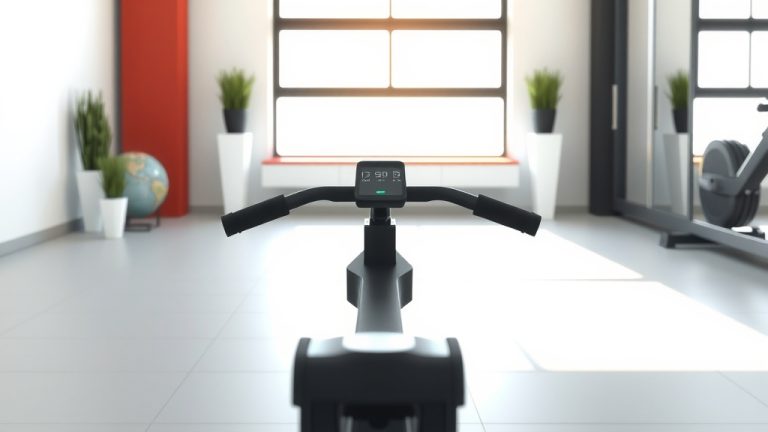
Most rowing machines offer a display with helpful metrics. Keep an eye on your split time (how long it takes to row 500 meters), strokes per minute (SPM), and total distance. A lower split time means you’re working harder and moving faster.
We found that tracking these numbers over time provides clear evidence of your improving fitness. It’s like a report card for your body.
Perceived Exertion (RPE)
Don’t have a fancy monitor or heart rate strap? No problem! Your body tells you a lot. The Rate of Perceived Exertion (RPE) scale is a simple way to measure effort.
On a scale of 1 to 10 (1 being very easy, 10 being maximum effort), aim for a 5-7 for a good cardio workout. You should be able to talk, but not sing. If you can barely speak, you’re likely in a vigorous zone.
Rowing Machine vs. Other Cardio Machines
So, how does rowing stack up against other popular cardio options? Each has its strengths, but rowing often pulls ahead in a few key areas.
| Feature | Rowing Machine | Treadmill | Elliptical |
|---|---|---|---|
| Cardio Efficacy | Excellent (full-body, high calorie burn) | Excellent (lower body focus) | Good (full-body, lower impact) |
| Full-Body Workout | Yes (legs, core, back, arms) | No (primarily lower body) | Partial (some upper body with handles) |
| Joint Impact | Very Low | High (running), Moderate (walking) | Low |
| Calorie Burn Potential | Very High | High | Moderate to High |
Maximizing Your Cardio on the Rower
A rowing machine is a powerful tool, but how you use it makes a huge difference. Let’s make sure you’re getting the absolute best cardio benefits.
Interval Training for a Boost
High-Intensity Interval Training (HIIT) on a rower is a game-changer for cardio. This means short bursts of intense effort followed by brief recovery periods. For example, row hard for 1 minute, then easy for 1 minute, repeating several times.
We found that HIIT workouts are excellent for improving aerobic capacity and burning calories even after your workout ends (known as the afterburn effect).
Steady-State for Endurance
Sometimes, you just want to settle into a rhythm. Steady-state rowing involves maintaining a consistent, moderate effort for a longer duration, say 20-40 minutes. This builds your endurance and is often more relaxing.
It’s great for improving your overall stamina and can be a good choice for active recovery days. Both interval and steady-state training have their place in a well-rounded fitness plan.
Your Rowing Cardio Checklist
To ensure you’re getting optimal cardio, keep these tips in mind:
- Maintain proper form throughout your stroke.
- Engage your legs strongly in the drive phase.
- Keep your core tight for stability and power.
- Focus on a smooth, controlled recovery back to the start.
- Breathe deeply and rhythmically with your strokes.
Common Rowing Mistakes to Avoid
Even with the best intentions, it’s easy to fall into common rowing habits that lessen your cardio benefits. Let’s fix those.
Arm-Dominant Rowing
One major mistake is pulling mostly with your arms. Remember, the power comes from your legs (around 60%), then your core and back, and finally your arms. Leading with your arms tires them out quickly, and you miss out on the full-body cardio potential.
Hunching or Slouching
Poor posture limits your lung capacity and puts strain on your back. Keep your chest open and your shoulders relaxed. An upright posture ensures efficient oxygen intake and protects your spine.
Getting Started: Your First Strokes
If you’re new to rowing, don’t feel like you need to jump straight into a marathon. Start slow and focus on learning the proper technique. Watch some videos, or even better, get a quick lesson.
Begin with shorter workouts, maybe 10-15 minutes, two or three times a week. Gradually increase your time and intensity as your fitness improves. Remember, consistency is key for seeing results.
Conclusion
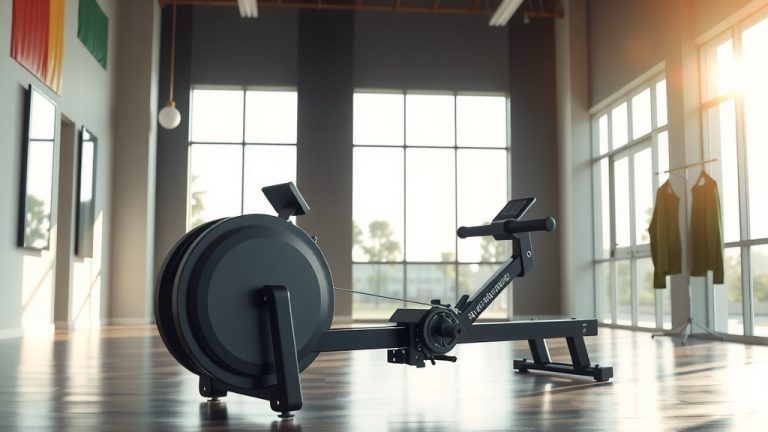
Absolutely, a rowing machine is an outstanding piece of cardio equipment. It delivers a comprehensive, low-impact workout that strengthens your heart, builds endurance, and torches calories. By understanding proper technique, monitoring your effort, and varying your workouts, you can unlock the full potential of rowing for your cardiovascular health. It’s a smart addition to any fitness routine, helping you feel stronger and more energetic every day.
Can rowing machines build muscle as well as cardio?
Yes, rowing machines are fantastic for building muscle alongside cardio. The full rowing stroke engages your legs, glutes, core, back, and arms, offering a compound strength workout that contributes to overall muscle tone and power.
Is rowing machine cardio suitable for beginners?
Absolutely! Rowing machines are very beginner-friendly. You can control the intensity easily, starting with short, gentle sessions to learn the form. As you get stronger, you can gradually increase your duration and resistance.
How often should I use a rowing machine for cardio benefits?
For significant cardio benefits, many experts recommend using a rowing machine 3-5 times per week. Aim for at least 20-30 minutes per session, varying between moderate steady-state and more intense interval training, as your fitness allows.
Does rowing burn more calories than other cardio exercises?
Due to its full-body engagement, rowing often burns a very high number of calories compared to other common cardio exercises like running or cycling, especially when performed at a high intensity. Research often connects higher muscle activation with greater energy expenditure (NIH).
Is rowing a good option for people with joint pain?
Yes, rowing is an excellent low-impact cardio option, making it ideal for individuals with joint pain or those recovering from injuries. It provides a vigorous workout without the harsh impact on knees, hips, and ankles that activities like running can cause.