Is Rowing Machine Cardio Or Strength Training?
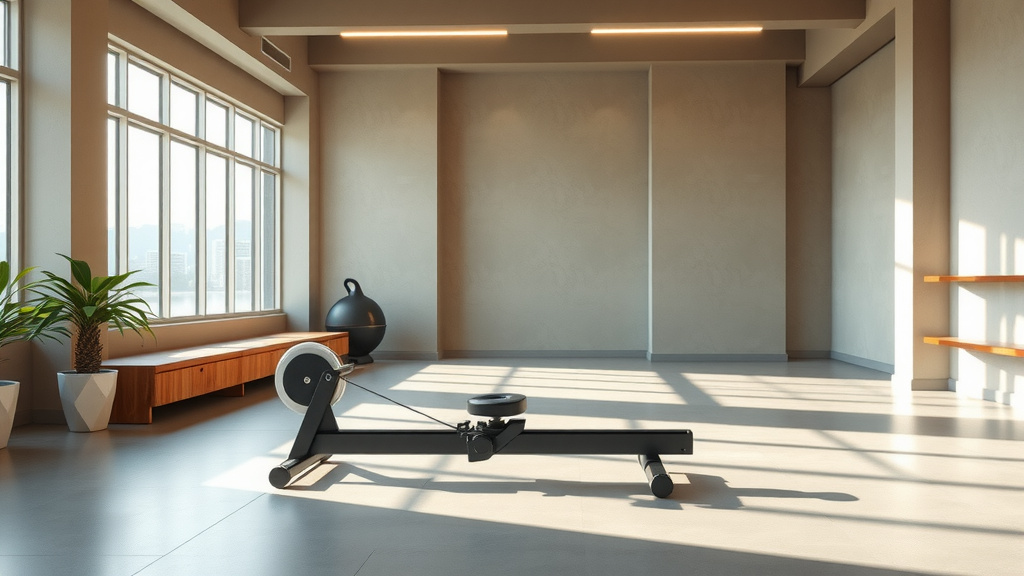
A rowing machine is a powerful fitness tool that masterfully blends both cardiovascular training and strength building into one dynamic workout. It provides a unique full-body exercise experience.
You are engaging your heart and lungs for aerobic conditioning while simultaneously working a wide range of muscle groups from your legs to your core and arms.
- The rowing machine offers a remarkable dual benefit, training your cardiovascular system and strengthening muscles across your entire body.
- You can burn a high number of calories, making it effective for weight management and improving stamina.
- It provides a low-impact workout, protecting your joints while still delivering intense results.
- Adjust your workout intensity and style to target either cardio fitness, muscle building, or a balanced mix of both.
Is Rowing Machine Cardio Or Strength Training?
The simple answer is that a rowing machine offers a powerful blend of both cardiovascular conditioning and strength training. It truly gives you the best of both worlds.
The Cardio Powerhouse of Rowing
When you settle onto a rowing machine, your heart rate quickly elevates. This sustained elevation is the hallmark of a great cardio workout.
Your lungs work harder, taking in more oxygen to fuel your muscles. This improves your body’s ability to use oxygen efficiently (VO2 max).
What Makes it Such Great Cardio?
Each stroke on the rower engages large muscle groups repeatedly. This consistent effort demands a lot from your cardiovascular system.
Think of it like running or cycling, but with the added benefit of using your upper body too. It keeps your heart pumping strong.
Heart Health Benefits You’ll Love
Regular rowing sessions can significantly improve your heart health. We found that consistent aerobic exercise helps lower blood pressure (American Heart Association).
It can also reduce your risk of heart disease and improve cholesterol levels. Your heart becomes more efficient with each session.
Rowing as a Strength Builder
While often celebrated for its cardio benefits, don’t underestimate the rowing machine’s power to build strength. You are pushing and pulling against resistance with every stroke.
This resistance, whether air, water, or magnetic, forces your muscles to work hard. It develops both muscular strength and endurance.
Which Muscles Get Involved?
Rowing is a true full-body workout. You use your legs, core, and upper body in a coordinated movement.
During the drive phase, your quadriceps, glutes, and hamstrings push powerfully. This is where a lot of your power comes from.
Your core muscles, including your abs and lower back, stabilize your body. They help transfer power from your legs to your upper body.
The pull phase engages your back muscles (lats), biceps, and shoulders. You are pulling the handle towards your body with control.
Building Muscle Endurance, Not Just Bulk
Rowing typically builds muscular endurance more than brute strength or massive bulk. You’re performing many repetitions against moderate resistance.
This type of training improves your muscles’ ability to sustain effort over time. You’ll feel stronger in daily activities and other sports.
The Best of Both Worlds: Why Rowing Excels
Imagine a single exercise that sculpts your body and strengthens your heart. That’s what rowing offers you.
It’s an incredibly efficient way to meet your fitness goals. You get more done in less time.
Full-Body Engagement Like No Other
Many experts say rowing uses about 86% of your body’s muscles in a single motion (British Rowing). That’s an impressive number!
This makes it one of the most comprehensive workouts available. You’re not neglecting any major muscle groups.
Customizable Workouts for Your Goals
You can easily tailor your rowing workout. Adjust the intensity, duration, and stroke rate to suit what you want to achieve.
Whether it’s a long, steady cardio session or short, powerful intervals, the machine adapts to you.
| Workout Goal | Focus | Typical Session |
|---|---|---|
| Cardiovascular Fitness | Steady pace, higher stroke rate | 20-45 minutes, moderate intensity |
| Strength & Endurance | Lower stroke rate, powerful strokes | 15-30 minutes, higher resistance intervals |
| Hybrid (Balanced) | Varying pace and intensity | 25-40 minutes, mixing steady state with bursts |
Crafting Your Rowing Workout for Specific Goals
To truly get the most out of your rowing machine, understand how to adjust your approach. Your goals should guide your stroke.
Rowing for Pure Cardio
If your aim is primarily cardio, focus on maintaining a consistent, moderate pace. Keep your stroke rate higher, perhaps 24-30 strokes per minute.
Aim for longer sessions, usually 20-45 minutes. This keeps your heart rate in your target zone for an extended period.
Rowing for Strength Gains
For more strength-focused training, reduce your stroke rate. Think powerful, deliberate strokes rather than fast ones, maybe 18-22 strokes per minute.
Increase the resistance level if your machine allows. Incorporate shorter, intense intervals followed by rest periods, similar to weight training.
The Hybrid Approach: A Balanced Blend
Many people prefer a hybrid workout. This combines periods of steady-state cardio with bursts of high-intensity, strength-focused rowing.
For example, you might row for 5 minutes at a steady pace, then do 1 minute of hard, powerful strokes, repeating the cycle.
Intensity Matters: Making Your Stroke Count
No matter your goal, the intensity of your effort plays a big role. It’s not just about how long you row, but how effectively.
Proper Form is Key for Results and Safety
Good form prevents injury and maximizes your workout efficiency. Many issues come from incorrect technique, not the machine itself.
Focus on a smooth, controlled motion. Your legs initiate the drive, then your core, then your arms pull. It’s a precise sequence.
- Start with a strong leg push.
- Lean back slightly from your hips.
- Pull the handle to your lower ribs.
- Recover smoothly: arms, body, then legs.
- Maintain a straight back throughout.
Understanding Resistance Settings
Most rowing machines have adjustable resistance. A higher setting means you’re working harder against more “water” or “air.”
For cardio, you might prefer a moderate setting to sustain speed. For strength, a higher setting makes each stroke more challenging.
Beyond the Sweat: Other Great Rowing Benefits
Rowing offers more than just cardio and strength. It brings a host of other advantages to your fitness routine.
Low Impact on Joints
Unlike running or jumping, rowing is incredibly joint-friendly. Your body moves smoothly, without harsh impacts.
This makes it an excellent option if you have joint sensitivities or are recovering from certain injuries (Cleveland Clinic).
Stress Reduction and Mental Clarity
The rhythmic motion of rowing can be quite meditative. Focusing on your breath and stroke can help clear your mind.
We found that exercise, in general, is a powerful stress reliever, releasing endorphins that improve mood (NIH).
Common Myths About Rowing Machines
Let’s clear up some misunderstandings you might have about rowing machines. Don’t let myths hold you back.
Is Rowing as good as running for cardio?
Absolutely, yes! Rowing can be just as effective, if not more so, for cardiovascular fitness. It often burns more calories because it uses more muscles.
Plus, it’s gentler on your knees and hips, which running isn’t always. Both are great, but rowing offers a full-body advantage.
Can I build big muscles with rowing?
Rowing builds lean muscle and endurance, not necessarily massive bulk like heavy weightlifting. You will develop strength, tone, and power across many muscle groups.
Think of the physique of a competitive rower: strong, defined, and powerful, but not typically bodybuilder-sized. Your muscles will be functional and resilient.
Conclusion
The rowing machine truly stands out as a versatile and efficient fitness tool. It’s not just cardio, and it’s not just strength training; it’s a powerful combination of both.
By engaging nearly every major muscle group while simultaneously boosting your heart health, rowing provides a comprehensive workout that adapts to your fitness goals. Whether you seek endurance, muscle tone, or overall well-being, the rower delivers.
Can rowing help with weight loss?
Yes, rowing is highly effective for weight loss. It burns a significant amount of calories due to its full-body engagement and cardio intensity. Regular, consistent rowing, combined with a balanced diet, can definitely contribute to a calorie deficit needed for losing weight.
How often should I use a rowing machine?
For general fitness, aiming for 3-5 sessions per week, each lasting 20-45 minutes, is a great starting point. If you’re new to rowing, begin with shorter sessions and gradually increase duration and intensity as your fitness improves.
Is rowing a good workout for beginners?
Rowing is excellent for beginners! It’s low-impact and easily adjustable. Start with lighter resistance and focus on learning proper form. There are many online tutorials, and even short, frequent sessions can build a solid fitness foundation without overwhelming you.
Does rowing work my abs?
Yes, rowing strongly engages your core, including your abdominal muscles. Your abs work constantly to stabilize your torso during the stroke and help transfer power from your legs to your upper body. You’ll feel it if you maintain good form!
What is the best type of rowing machine for home use?
The “best” type depends on your budget, space, and preferences. Magnetic rowers are quiet and offer consistent resistance. Air rowers mimic real rowing feel and are popular in gyms. Water rowers provide a smooth, natural experience. Try a few if you can before committing to one.