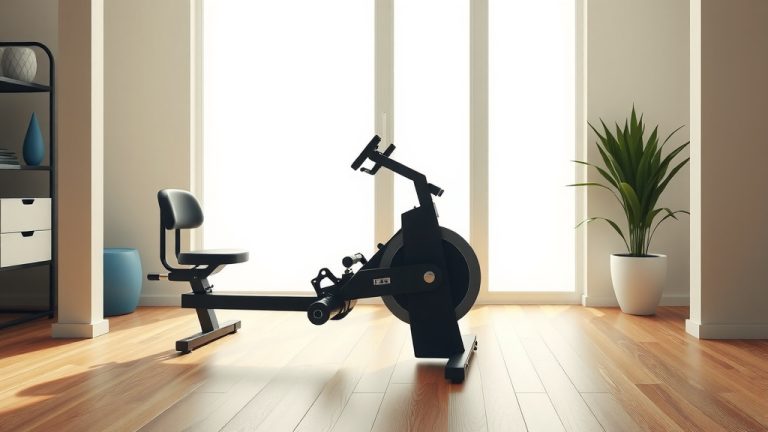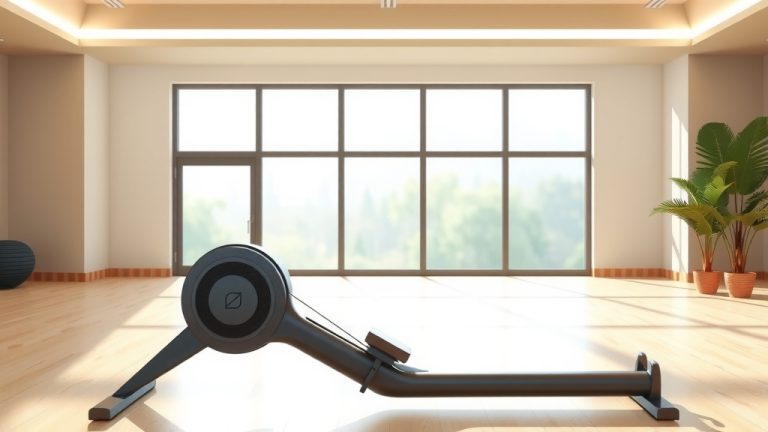
Is Rowing Machine Good For Abs?
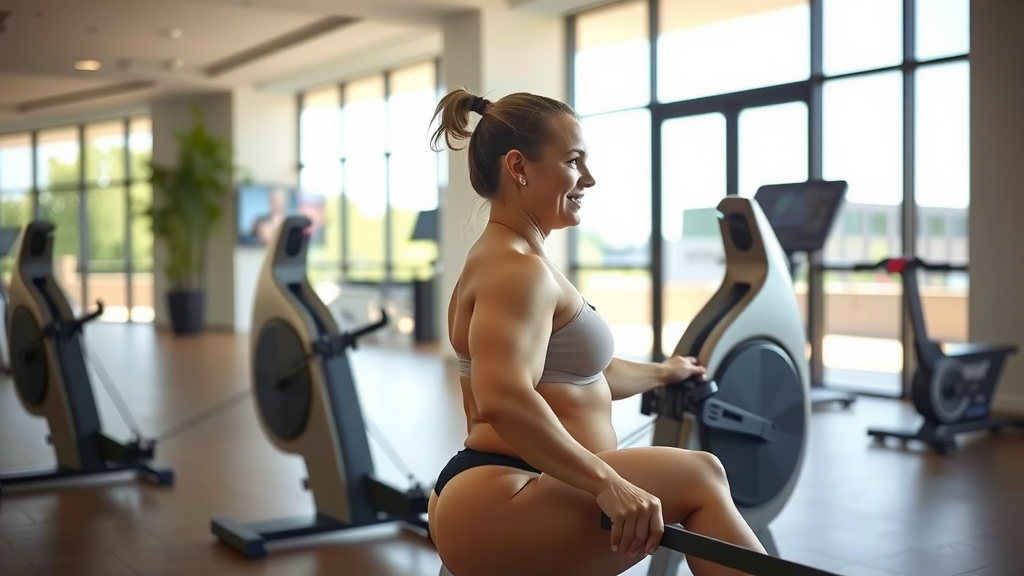
Yes, a rowing machine can be highly effective for strengthening your core muscles, including your abs. The rhythmic motion and proper form engage your abdominal muscles throughout the entire stroke.
Rowing machines work your abs by requiring constant core stability and power transfer from your lower body to your upper body, leading to improved abdominal strength and definition over time.
Here’s what you need to know about rowing and your abs, quickly:
- Rowing machines are great for strengthening your entire core, not just the front abs.
- Proper rowing form is essential to truly engage your abdominal muscles effectively.
- It builds functional core strength, helping with daily movements and other exercises.
- While rowing contributes to ab definition, combining it with specific core exercises and good nutrition helps achieve a “six-pack” look.
- The rowing stroke actively engages your abs during the catch, drive, and recovery phases.
Is Rowing Machine Good For Abs?
Yes, the rowing machine is a fantastic tool for working your entire core, including your abs. It offers a unique, dynamic way to build abdominal strength.
Why Your Core Matters
Think of your core as your body’s central powerhouse. It’s not just about a flat stomach. Your core stabilizes your spine, helps with balance, and allows you to move powerfully (Mayo Clinic).
A strong core prevents injuries and improves performance in nearly every physical activity. It’s the foundation for almost everything you do.
How Rowing Activates Your Abs
Many people picture rowing as just an arm and leg workout. But surprise! Your abs are working hard throughout every stroke (NIH).
The continuous movement demands constant engagement from your core. It’s like a hidden ab workout disguised as cardio.
The Powerhouse: Engaging Your Core in Every Stroke
When you row, your body moves through a sequence: the catch, the drive, and the recovery. Your core muscles are active in all three phases.
During the “catch,” your abs stabilize your body as you lean forward. In the “drive,” they transfer power from your legs to your arms. Finally, during “recovery,” they control your movement back to the starting position.
Key Movements for Core Engagement
Your rectus abdominis (the “six-pack” muscle), obliques (side muscles), and deep transverse abdominis all get involved. They help you hinge at the hips and maintain a strong, upright posture.
You’ll feel a gentle tightening in your midsection if you focus on your form. This constant activation helps build endurance and strength in your abdominal wall.
Beyond the Six-Pack: Total Core Strength
Rowing goes beyond just the visible abs. It targets the deeper core muscles that are vital for stability and back health.
These muscles include your erector spinae (back muscles) and your pelvic floor. A strong core is a well-rounded core, not just a flashy one.
Is Rowing Enough for Ripped Abs?
Rowing alone can certainly help build stronger, more defined abs. Many athletes credit rowing for their strong midsections.
However, achieving very “ripped” or visible six-pack abs also depends heavily on your body fat percentage and genetics. It’s a combined effort.
Combining Rowing with Other Exercises
For optimal results, think about complementing your rowing routine. Adding specific core exercises can boost your ab development.
This approach gives your abs different types of challenges. We often find that variety helps break through plateaus and keeps workouts fresh.
Here’s a quick look at how rowing fits with other core workouts:
| Workout Type | Primary Core Focus | Benefits with Rowing |
|---|---|---|
| Rowing Machine | Dynamic, full-body core stability and endurance | Builds foundational strength, functional power, and cardio. |
| Plank Holds | Static isometric strength (transverse abdominis) | Enhances core stability, anti-extension, and endurance. |
| Crunches/Sit-ups | Rectus abdominis, hip flexors | Direct targeting of “six-pack” muscles for definition. |
| Russian Twists | Obliques, rotational strength | Improves twisting power and oblique definition. |
| Leg Raises | Lower abs, hip flexors | Targets lower abdominal muscles often missed in other movements. |
Proper Rowing Form for Maximum Ab Activation
Bad form on the rower can make you miss out on those ab gains. It’s all about connection from your feet to your core.
Focus on smooth, controlled movements. Don’t rush or use just your arms and back. Let your legs and core do the main work.
Use this checklist to ensure you’re engaging your abs:
- Keep your back straight, not rounded.
- Engage your core before you start moving.
- Drive back with your legs, then lean back slightly.
- Control the recovery forward with your core.
- Avoid “slouching” at the catch or finish.
Common Rowing Mistakes That Limit Core Work
A frequent error is “slouching” or failing to hinge from the hips. This puts strain on your lower back and reduces ab engagement.
Another mistake is leading too much with your arms instead of your legs and core. You want a smooth, connected push and pull, not separate actions.
Who Benefits Most from Rowing for Abs?
Anyone looking to improve their functional core strength will benefit. If you want a full-body workout that also hits your abs, rowing is for you.
Athletes seeking cross-training, people recovering from certain injuries (with doctor approval), and fitness enthusiasts love it.
Comparing Rowing to Other Ab Workouts
Rowing offers a unique advantage: it trains your abs while simultaneously providing a cardio workout and strengthening other major muscle groups.
Unlike isolated ab exercises, rowing trains your core to work with your entire body. This builds functional strength that applies to everyday life (CDC).
Some people say crunches are better for abs. Others prefer dynamic exercises like rowing. The truth is, both have a place in a balanced fitness routine.
Your Journey to a Stronger Core
Getting stronger abs with a rowing machine is a journey, not a sprint. Be patient with yourself and celebrate small victories.
Focus on feeling your muscles work. You’ll soon notice a difference in your core strength and overall fitness.
Consistency is Your Best Friend
Just like any fitness goal, consistency rules. Regular rowing sessions will yield the best results for your abs and overall health.
Aim for a few sessions each week. Even short, focused workouts are better than sporadic, intense ones. Small steps lead to big changes.
Nutrition and Recovery: The Unsung Heroes
You can train your abs all day, but if your diet isn’t supporting your goals, progress will be slow. A balanced diet helps reduce body fat, making your abs more visible.
Don’t forget rest and recovery too. Muscles grow stronger when they have time to repair. Sleep and proper hydration are just as important as your workout.
Conclusion
The rowing machine is undeniably a powerful tool for building a strong, functional core and contributing to visible abs. It engages your abdominal muscles dynamically throughout a full-body workout.
By focusing on correct form, combining rowing with targeted core exercises, and maintaining a healthy lifestyle, you can effectively strengthen your abs and achieve your fitness goals. So, get on that rower and feel your core come alive!
What part of the rowing stroke works the abs most?
Your abs work throughout the entire rowing stroke, but they are particularly active during the “catch” phase to stabilize your body and the “recovery” phase to control your lean forward. They also transfer power during the “drive” from your legs.
Can rowing help me lose belly fat?
Yes, rowing is an excellent cardiovascular exercise that burns a significant amount of calories. Consistent calorie burning, combined with a healthy diet, helps reduce overall body fat, including belly fat, which can make your abs more visible.
How often should I row to see ab results?
For noticeable ab and overall fitness results, aim for 3-5 rowing sessions per week. Each session could range from 20-45 minutes, depending on your fitness level and goals. Consistency is more important than intensity initially.
Do I need to do crunches if I row regularly?
While rowing provides a fantastic core workout, adding specific exercises like crunches, planks, or leg raises can target your rectus abdominis and obliques more directly. This combination can help you achieve more defined abdominal muscles faster, though it’s not strictly necessary for basic core strength.
Is rowing bad for your back if you have weak abs?
If you have weak abs, proper form on the rowing machine is even more crucial to protect your back. Poor form can strain your lower back. Focus on engaging your core, hinging at your hips, and using your legs for power. Start with shorter sessions and build up gradually, always prioritizing good technique.