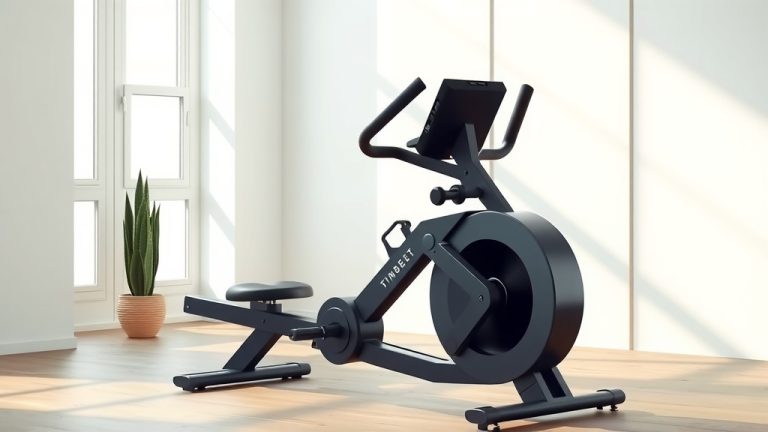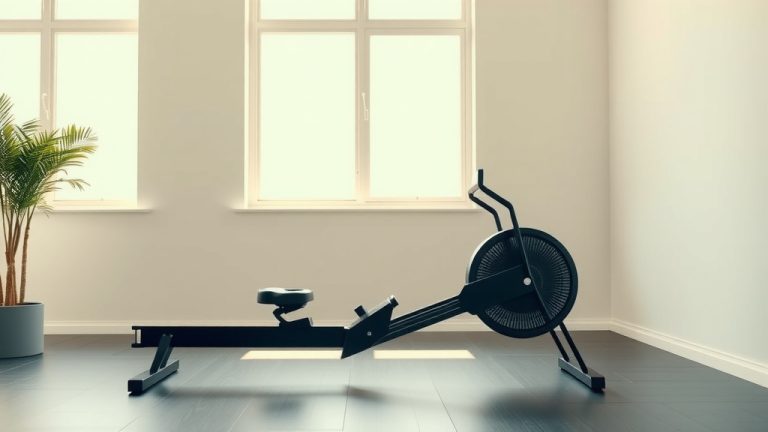
Is Rowing Machine Good For Bone Density?
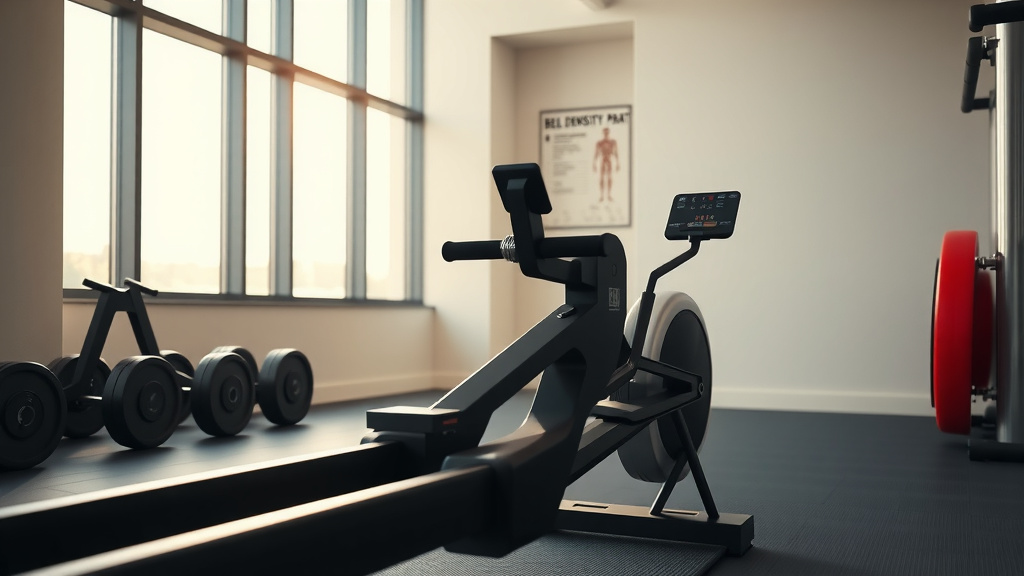
Yes, a rowing machine can contribute positively to your bone density, especially by strengthening muscles that pull on bones and enhancing overall body stability.
While not a high-impact exercise, rowing offers significant benefits through resistance training and improved posture, which are vital for bone health over time.
Here’s a quick overview of what you’ll discover about rowing and your bones:
- Rowing applies resistance, which helps bones become stronger.
- It builds muscle, and strong muscles mean stronger bones too.
- Rowing is a low-impact workout, gentle on your joints.
- Combine rowing with other bone-building exercises for best results.
- It’s a great option if you need to protect your joints while staying active.
Is Rowing Machine Good For Bone Density?
A rowing machine is good for bone density because it provides a form of resistance training. This kind of exercise encourages your bones to adapt and strengthen, especially where muscles attach. It’s a wonderful tool for fitness.
How Does Bone Density Work?
Your bones are living tissue, always changing and rebuilding. Bone density refers to how much bone mineral is packed into a segment of bone. The higher the density, the stronger your bones are.
To keep bones strong, they need stress. This stress comes from either impact, like jumping, or from muscle contractions. These actions signal your body to deposit more minerals into the bone structure.
Weight-Bearing vs. Non-Weight-Bearing Exercise
We often hear about “weight-bearing” exercises for bones. These are activities where you support your body weight against gravity, like walking or running. They create impact that challenges your bones directly.
Non-weight-bearing exercises, like swimming, put less stress on bones. Rowing sits somewhere in the middle. It supports some of your weight but still applies resistance to your skeleton.
Where Does Rowing Fit In?
Rowing is often considered a partial weight-bearing exercise. Your feet are strapped in, and your core supports you. However, the primary benefit for bones comes from the resistance applied.
Each powerful stroke engages almost every major muscle group. These muscles pull on your bones. This pulling action is a critical stimulus for bone growth and density.
The Good News for Your Bones
Rowing uses resistance from the flywheel or water. This resistance challenges your muscles to work hard. When muscles contract, they pull on the bones they attach to (tendons help here).
This “pulling” creates a healthy stress on your bones. Research often connects this type of muscle-driven loading with improved bone structure (NIH). It’s like a gentle but firm nudge for your skeleton.
The “Impact” Factor
High-impact activities like running create strong jolts through your bones. This is very effective for bone density. Rowing, however, does not have this direct impact.
But that doesn’t mean it’s ineffective. For many, a low-impact option is safer and more accessible. It prevents stress on joints while still offering bone benefits.
Why Rowing Still Benefits Bones
Even without high impact, rowing offers several ways to help your bones. It’s a comprehensive workout that supports your skeletal system indirectly and directly.
- Muscle Strengthening: Stronger muscles mean more forceful pulls on bones, which stimulates bone growth.
- Balance and Coordination: Improved balance reduces your risk of falls. Fewer falls mean fewer fractures, especially as you age.
- Core Stability: A strong core supports your spine. A healthy spine is essential for overall skeletal health and posture.
- Cardiovascular Health: Healthy blood flow brings vital nutrients to your bones. Rowing is excellent for your heart and circulation.
Many experts say combining different types of exercise is ideal. Rowing can be a core part of this diverse fitness plan (Mayo Clinic).
Comparing Rowing to High-Impact Activities for Bone Health
Let’s look at how rowing compares to exercises typically known for bone density benefits.
| Exercise Type | Primary Bone Stimulus | Impact Level | Joint-Friendly? |
|---|---|---|---|
| Rowing | Muscle Contraction, Resistance | Low to Moderate | Very |
| Running/Jumping | High Impact, Body Weight | High | Can be Hard |
| Weightlifting | Resistance, Heavy Loads | Low to Moderate | Generally |
Making Your Rowing Session Bone-Friendly
To get the most bone benefit from your rowing, consider these tips. Proper technique is always key. It keeps you safe and makes your workout more effective.
Resistance Levels
Don’t be afraid to increase the damper setting or resistance on your machine. Higher resistance means your muscles work harder. This extra effort translates to more pull on your bones, stimulating them further.
Form and Technique
Good rowing form ensures you’re engaging the correct muscles. Focus on a powerful leg drive, a strong core, and a smooth arm pull. A certified instructor can help you refine your technique.
Adding Other Exercises
While rowing is great, combining it with other activities is ideal. We found that a mix of high-impact exercises (if appropriate) and strength training gives the best results for bone density.
What Else Can You Do?
Think of your bone health strategy as a multi-pronged approach. Rowing is a fantastic part of the puzzle. Here’s a quick checklist of other things you can consider:
- Include some weight-bearing exercises like walking or dancing.
- Add strength training with weights or bodyweight.
- Ensure you get enough calcium in your diet.
- Check your Vitamin D levels; it’s vital for calcium absorption.
- Avoid smoking and excessive alcohol consumption.
Who Benefits Most from Rowing for Bones?
Rowing is particularly beneficial for certain groups. If you have conditions that prevent high-impact exercise, a rower can be your ally. It’s safe and effective.
Low-Impact Needs
If you have joint issues like arthritis or are recovering from an injury, rowing is a gentle choice. It protects your joints while still providing bone-stimulating resistance.
Joint Issues
Many people find high-impact activities uncomfortable or even painful. Rowing provides a full-body workout without the jarring forces. This makes it a sustainable option for long-term bone health.
Listen to Your Body
Your body is unique. What works for one person may not be ideal for another. Always pay attention to how you feel during and after exercise.
If you have any bone density concerns, talk to your doctor. They can offer personalized advice and help you create a safe and effective fitness plan.
Conclusion
A rowing machine is indeed a valuable tool for supporting your bone density. While it doesn’t offer the high impact of some activities, its focus on muscle resistance and full-body engagement provides important benefits. It helps strengthen your muscles, which in turn pull on your bones, encouraging them to grow denser and stronger. It’s a fantastic, low-impact option that can be a key part of a diverse fitness routine. Remember, consistency and proper form are your best friends in any fitness journey.
Frequently Asked Questions About Rowing and Bone Health
Is rowing enough to build strong bones?
Rowing is a helpful part of building strong bones, especially through resistance and muscle strengthening. However, combining it with other activities like walking, light jogging, or weight training can provide a more comprehensive approach for optimal bone density.
Can rowing help prevent osteoporosis?
Rowing, as a form of resistance exercise, can contribute to maintaining and building bone density, which is a key factor in preventing osteoporosis. It’s part of a healthy lifestyle that includes proper nutrition and other forms of exercise recommended for bone health.
What part of the body benefits most for bone density from rowing?
Rowing works nearly all major muscle groups, so the bones in your legs, arms, and spine all receive some stimulus. The powerful leg drive especially benefits the bones in your lower body, while the core engagement supports your spinal health.
Is it safe to row with existing low bone density?
Rowing is generally considered a low-impact exercise, making it a safer option for individuals with low bone density compared to high-impact activities. However, it’s always best to consult with your doctor or a physical therapist before starting any new exercise program if you have concerns about your bone health.
How often should I row for bone benefits?
For general fitness and bone health benefits, aiming for 3-5 rowing sessions per week, each lasting 20-30 minutes, is a good starting point. Consistency is more important than intensity, especially when you are building a new routine.