Is Rowing Machine Good For Core?
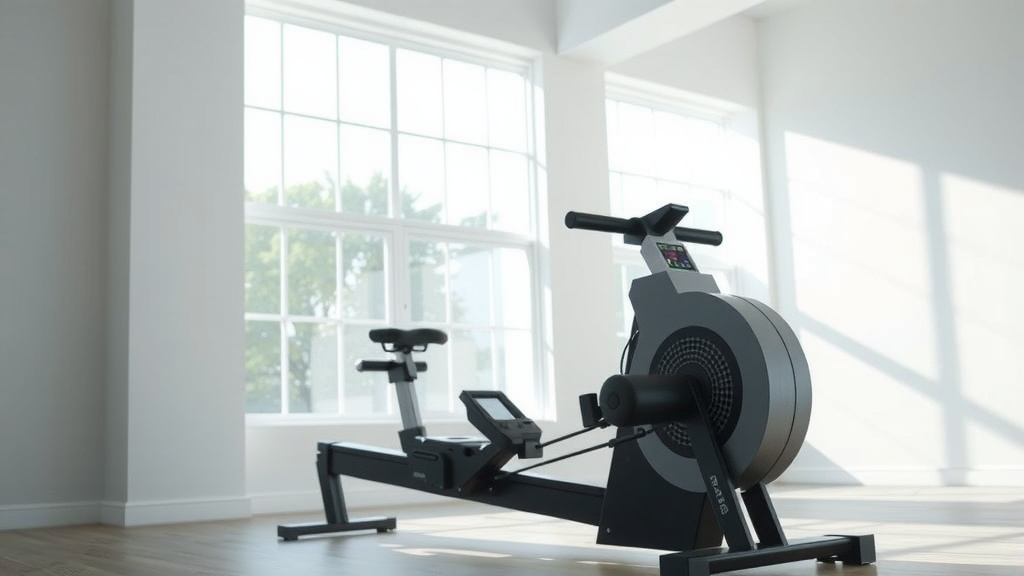
Yes, a rowing machine is excellent for your core, actively engaging abdominal muscles, obliques, and your lower back throughout the entire stroke. It provides a comprehensive core workout by requiring stability and power transfer with every pull.
The dynamic nature of rowing constantly recruits your core to stabilize your body and connect your upper and lower movements, making it a highly effective exercise for building a strong and functional core.
- A rowing machine offers a full-body workout, significantly engaging your core muscles in every phase.
- You’ll work not just your abs, but also your obliques, lower back, and even the muscles around your hips.
- Proper rowing form is key to maximizing core benefits and protecting your back.
- It’s a functional way to strengthen your core, translating to better everyday movement and athletic performance.
- Rowing combines cardio with core strength, giving you more bang for your buck than traditional isolation exercises.
Is Rowing Machine Good For Core?
Absolutely, a rowing machine is genuinely good for your core. It’s far more than just an arm or leg workout; your core acts as the powerful connector for every movement you make on the rower.
From stabilizing your posture to transferring power, your midsection is working hard the entire time.
Understanding Your Core Muscles
When we talk about your core, we’re not just thinking about a six-pack. Your core is a complex group of muscles. It wraps around your spine and pelvis, creating a natural girdle.
These muscles include your rectus abdominis (the “six-pack” muscles), obliques (side muscles), transverse abdominis (deepest ab muscle), and your erector spinae (lower back muscles). They all work together.
A strong core is like the foundation of a house for your body. It helps with balance, stability, and transferring force between your upper and lower body (Mayo Clinic). Without it, many movements feel harder, and injury risk goes up.
The Rowing Stroke and Your Core
Imagine the rowing stroke as a smooth, continuous dance. Your core plays a starring role in every step of this dance. It’s always on, bracing and stabilizing.
During each phase of the stroke – the catch, drive, finish, and recovery – your core muscles activate. This constant engagement means you’re building endurance and strength.
Catch Phase Core Engagement
At the front of the stroke, when you’re “catching” the water, your core stabilizes your torso. You lean forward slightly, and your abs prevent you from collapsing.
This position requires a lot of engagement from your lower abs and back muscles to maintain proper posture.
Drive Phase Core Engagement
This is where the power comes from! As you push with your legs and pull with your arms, your core connects these forces. It prevents your back from arching or rounding excessively.
Your entire midsection acts like a powerful transmission system, ensuring smooth and efficient power transfer from your legs through your body to the handle.
Finish Phase Core Engagement
At the end of the stroke, your body is leaning back slightly. Your core muscles, especially your obliques and deeper abs, work to hold this strong position.
They stop you from falling backward and help control the movement. We found that the finish really fires up the core if you maintain a strong, stable position.
Recovery Phase Core Engagement
As you glide back towards the front of the machine, your core remains active. It controls your forward movement, keeping your body stable and prepared for the next stroke.
This phase is all about controlled return, and your abs are key to preventing sloppy movements.
Beyond Just Abs: A Full Core Workout
Rowing doesn’t just hit your rectus abdominis. It’s a fantastic exercise for your entire core cylinder. Many experts say it builds truly functional core strength.
We found that this means your body gets stronger for everyday tasks, like lifting groceries or playing with kids, not just for looking good in a mirror.
- Rectus Abdominis: The “six-pack” muscles, engaged for stability and flexion.
- Obliques: Muscles on your sides, working to prevent twisting and aiding rotation.
- Transverse Abdominis: The deepest core muscle, acting like a natural corset for stability.
- Erector Spinae: Muscles running along your spine, essential for lower back support.
- Hip Flexors: Involved in the recovery phase, closely linked to core function.
Why Rowing Beats Traditional Core Workouts (Sometimes!)
Think about a plank or a crunch. Those are great for isolating core muscles. But rowing offers something different: a dynamic, full-body approach.
It combines cardiovascular exercise with strength training, making it highly efficient. You’re building core strength while burning calories, all in one go.
| Core Exercise | Primary Core Focus | Additional Benefits |
|---|---|---|
| Rowing Machine | Full core stabilization, power transfer | Cardio, full-body strength, functional fitness |
| Planks | Isometric hold (static strength) | Shoulder and back stability |
| Crunches | Rectus abdominis flexion | Direct ab muscle engagement |
Maximizing Core Engagement on Your Rower
To truly get the most out of your core on a rowing machine, form is everything. A sloppy stroke might still feel like a workout, but you’ll miss out on significant core benefits.
You want to feel your core engaging, almost like a subtle squeeze or bracing sensation throughout the entire movement. Here are some quick tips:
Focus on Your Form
Keep your back straight, not rounded or overly arched. Your shoulders should stay relaxed and down. This neutral spine position helps your core work efficiently.
Proper form also protects your lower back, preventing it from taking over when your core should be doing the work.
Mind-Muscle Connection
Actively think about engaging your core. Before you start each stroke, gently brace your abdominal muscles, as if someone is about to poke your stomach.
This simple trick can dramatically increase your core activation. It’s about being present in your workout.
Engage Your Lower Abs
Try to pull your belly button towards your spine, especially during the recovery phase. This recruits your deeper transverse abdominis, which is key for stability.
Don’t just go through the motions; really feel those muscles working.
Here’s a quick checklist for awesome core activation:
- Keep your back straight and tall.
- Brace your abs before each stroke.
- Drive through your heels, not just your arms.
- Avoid over-leaning at the finish.
- Control your recovery forward with your core.
- Imagine a string pulling your head to the ceiling.
Common Core Mistakes to Avoid While Rowing
Many people make a few common errors that reduce core engagement. Are you slumping at the catch, or arching your back too much?
Be mindful of these pitfalls to get the best core workout possible.
One common mistake is “scorpion tail,” where you arch your lower back excessively at the finish. This puts strain on your spine instead of engaging your core.
Another is allowing your shoulders to round and your back to hunch at the catch. This minimizes the stretch and powerful engagement of your core and back muscles.
Conclusion
So, is a rowing machine good for your core? The answer is a resounding yes! It’s a powerhouse for building a strong, stable, and functional core. Unlike isolated exercises, rowing integrates core work into a dynamic, full-body movement.
By focusing on proper form and maintaining that crucial mind-muscle connection, you can unlock incredible benefits for your core strength and overall fitness. Give it a try; your midsection will thank you!
Does rowing help with belly fat?
Rowing is a fantastic cardio exercise that burns a lot of calories. Regular cardio, combined with a healthy diet, helps create a calorie deficit. This deficit is what ultimately leads to overall fat loss, including around your belly area. We found that consistency is key for visible results.
Can rowing give you a six-pack?
While rowing strengthens your abdominal muscles, whether it gives you a visible six-pack depends on your body fat percentage. Rowing will build the muscle underneath, but you need a low body fat level for those muscles to show through. It’s a great tool for building a strong core, which is the first step.
Is rowing better than planks for core strength?
Neither is inherently “better”; they offer different types of core strength. Planks excel at isometric (static) core endurance. Rowing provides dynamic core strength, engaging muscles through movement and coordinating them with other body parts. Many fitness professionals suggest incorporating both for a well-rounded core.
How often should I row for core benefits?
For significant core benefits, aim to row 3-5 times per week. Even short, consistent sessions of 20-30 minutes can make a big difference. The key is to maintain proper form to ensure your core is actively engaged throughout each workout, preventing your back from doing all the work.
Does rowing work your lower back?
Yes, rowing actively engages your lower back muscles, particularly the erector spinae, which are part of your core. These muscles work to stabilize your spine and extend your torso during the drive phase. Proper form is essential to strengthen your lower back safely without causing strain or injury (NIH).