Is Rowing Machine Good For Diastasis Recti?
A rowing machine can be a beneficial exercise tool for individuals with diastasis recti, but it requires careful attention to your core engagement and technique. You should always consult with a healthcare professional before starting any new exercise routine, especially with diastasis recti.
- A rowing machine can be used with diastasis recti, but proper form is absolutely essential to avoid worsening the condition.
- Gentle, controlled movements and mindful core engagement are key to making it a safe exercise for you.
- Always seek guidance from a doctor or a pelvic floor physical therapist before incorporating rowing into your fitness plan.
- Ignoring proper technique can place undue stress on your abdominal muscles, potentially making diastasis recti more prominent.
Is Rowing Machine Good For Diastasis Recti?
A rowing machine can be a suitable exercise for diastasis recti, provided you maintain proper form and prioritize gentle core engagement. It’s not a “one size fits all” answer, and individual guidance from a professional is key.
You’re not alone if you’re curious about exercising with diastasis recti. It’s a common condition, especially after pregnancy. Finding safe, effective workouts is a top priority.
Understanding Diastasis Recti First
Imagine a zipper running down the front of your belly. Diastasis recti is when that “zipper” – your linea alba – stretches and widens. It’s not a hernia, but a separation of your outermost abdominal muscles.
Many factors contribute to this condition. Pregnancy is the most common, as your body makes room for your baby. But it can also happen in men or non-pregnant women due to certain exercises or weight changes.
The main concern with diastasis recti is finding exercises that support your core. You want to avoid movements that push your abdominal contents outward. This pushing motion, called “doming” or “coning,” can make the separation worse.
How Rowing Can Help (and Harm) Your Core
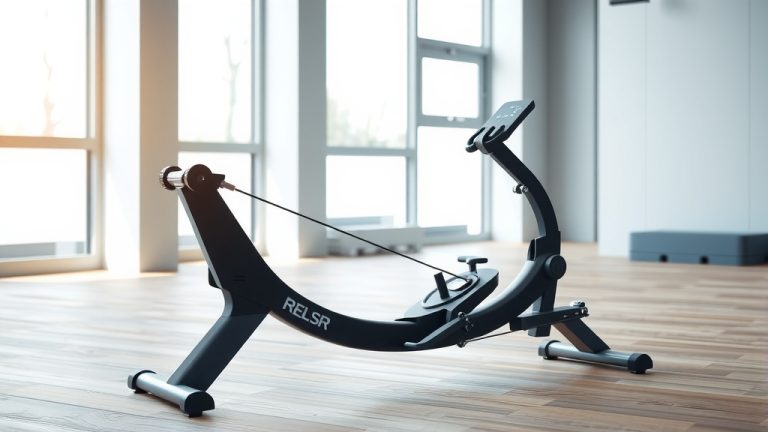
A rowing machine provides a fantastic full-body workout. It targets your legs, core, and upper body. It’s also low-impact, which is often a plus for many people.
The Benefits of Gentle Rowing for Diastasis Recti
When done correctly, rowing can help you build strength. It can support your posture and even strengthen your deep core muscles. We found that low-impact exercises are often recommended for core stability (Mayo Clinic).
You can adjust the intensity to fit your needs. This control is important when you’re managing a condition like diastasis recti. It allows for a gradual return to fitness.
Potential Risks to Avoid
The main risk with rowing and diastasis recti comes from improper form. If you round your back or overextend your core, you put pressure on your abdominal wall. This can lead to that “doming” or “coning” effect.
Pushing too hard or too fast is another risk. Your body needs time to adapt. Starting slow and focusing on technique is much better than rushing into intense workouts.
Proper Rowing Technique for Diastasis Recti
Okay, so how do you row safely? It all comes down to being mindful of your body. Think of it like a delicate dance between strength and control.
Core Engagement: The Key
You want to engage your deep core muscles, not just your six-pack. Think about gently hugging your baby, or pulling your belly button towards your spine. This is not about sucking in your stomach tightly.
This gentle engagement should feel supportive. It helps stabilize your torso throughout the rowing stroke. Many experts say that activating your transverse abdominis is crucial for core health (Cleveland Clinic).
Modifying Your Stroke
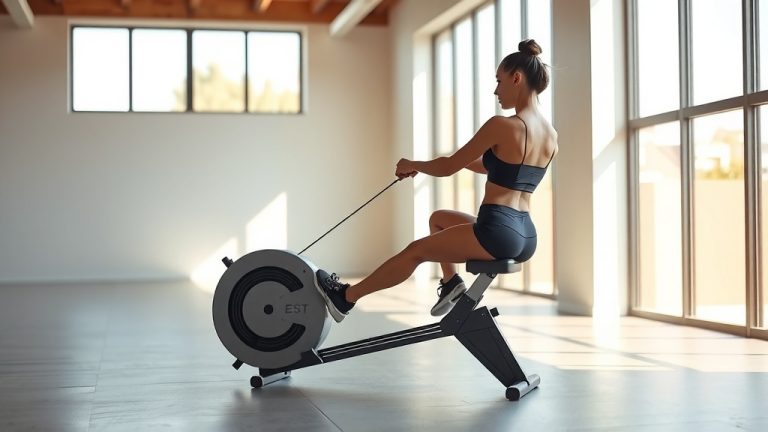
Focus on a shorter, more controlled stroke. Avoid swinging your body too far forward or leaning back too much. Keep your movements fluid and deliberate.
Don’t reach excessively at the catch (the front part of the stroke). Also, don’t recline too far at the finish (the back part). These extremes can stress your abdominal wall.
Breathing Matters
Your breath is a powerful tool. Exhale as you pull the handle towards you. Inhale as you return to the starting position. This helps manage intra-abdominal pressure.
Avoid holding your breath. This increases pressure in your abdomen, which is not good for diastasis recti. Keep your breathing steady and consistent.
Listening to Your Body
This is perhaps the most important tip. If you feel any pain, discomfort, or see any “doming,” stop immediately. Your body is telling you something important.
Start with shorter sessions and lower resistance. Gradually increase as you feel stronger and more confident. There’s no rush to push your limits.
Rowing for Diastasis Recti: What to Do and What to Avoid
| What to Do (Safe Practices) | What to Avoid (Risky Practices) |
|---|---|
| Focus on deep core engagement (transverse abdominis). | Vigorous crunch-like movements that cause doming. |
| Maintain a neutral spine throughout the stroke. | Rounding your back or excessive arching. |
| Use controlled, smooth movements. | Jerky, fast, or explosive strokes. |
| Breathe steadily (exhale on exertion). | Holding your breath (Valsalva maneuver). |
| Start with low resistance and short sessions. | Starting with high resistance or long workouts. |
| Consult a pelvic floor physical therapist. | Ignoring discomfort or any signs of doming. |
When to Avoid or Modify Your Routine
While rowing can be safe, there are times you might need to stop or change your approach. Being aware of these signs is part of being kind to your body.
Red Flags During Rowing
- If you notice any visible “doming” or “coning” of your abdomen, stop.
- Any sharp pain in your back or abdomen is a clear signal to pause.
- Feeling pressure or discomfort in your pelvic floor should also prompt you to stop.
- If you cannot maintain core engagement, it’s better to rest or adjust.
These signs suggest that the exercise might be too challenging. Or your form might need adjustment. It’s okay to take a step back and reassess.
The Role of a Pelvic Floor Physical Therapist
Seriously, consider seeing a pelvic floor physical therapist (PFPT). They are experts in conditions like diastasis recti. They can assess your specific situation.
A PFPT can guide you on proper form and core activation. They can also recommend exercises tailored just for you. This personalized approach is truly invaluable for recovery.
Key Considerations Before You Row: A Quick Checklist
- Have you discussed rowing with your doctor or a pelvic floor physical therapist?
- Can you maintain a gentle, consistent core engagement without strain?
- Are you able to keep a neutral spine throughout the rowing stroke?
- Do you know how to breathe properly during the exercise?
- Are you prepared to start slowly and increase intensity gradually?
- Will you listen to your body and stop if you experience discomfort or doming?
Choosing the Right Rowing Machine
There are different types of rowing machines out there. While the core movement is similar, some differences might affect your experience.
Water Rowers vs. Air Rowers
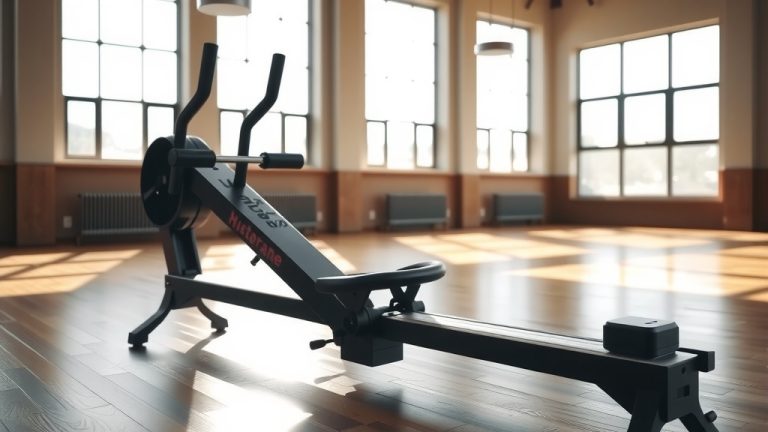
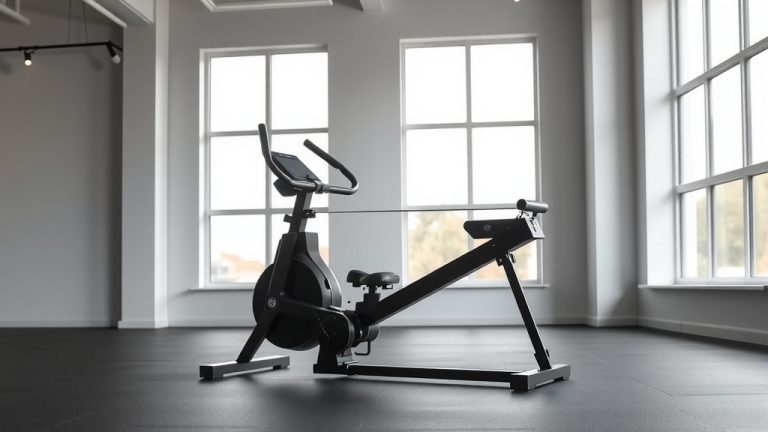
Water rowers often provide a very smooth, consistent resistance. They mimic the feel of rowing on water. Air rowers use a fan, and resistance increases with your effort.
For diastasis recti, the type of machine is less important than your technique. Choose one that feels comfortable and allows you to focus on your form. Research often shows that consistency is more important than the exact equipment (NIH).
Beyond the Rowing Machine: Other Core-Friendly Exercises
Remember, rowing is just one piece of the puzzle. There are many other exercises that can support your core and help with diastasis recti.
Think about exercises that promote deep core engagement. Pelvic tilts, gentle abdominal bracing, and certain yoga or Pilates moves are great options. Always seek professional advice before trying new exercises.
Conclusion
So, is a rowing machine good for diastasis recti? It can be, absolutely. With careful attention to proper form, mindful core engagement, and guidance from a healthcare professional, rowing can be a safe and effective part of your fitness journey.
Your body is unique, and what works for one person might need adjustment for another. Prioritize your well-being, listen to your body’s signals, and don’t hesitate to seek expert advice. You’ve got this, and with the right approach, you can keep moving towards your fitness goals safely.
What is diastasis recti?
Diastasis recti is the separation of your rectus abdominis muscles, often called the “six-pack” muscles, where the connective tissue between them, the linea alba, stretches and widens. It commonly occurs during and after pregnancy.
Can rowing make diastasis recti worse?
Yes, if done with improper form. Excessive strain, rounding your back, or allowing your abdomen to “cone” or “dome” during the rowing stroke can put undue pressure on the abdominal wall and potentially worsen the separation.
What kind of core engagement is safe for diastasis recti when rowing?
Focus on a gentle, inward engagement of your deep core muscles, specifically the transverse abdominis. Imagine gently drawing your belly button towards your spine without sucking in tightly or holding your breath. This provides support without creating outward pressure.
Should I consult a doctor or physical therapist before using a rowing machine with diastasis recti?
Yes, it’s highly recommended to consult with a doctor or a pelvic floor physical therapist (PFPT) before starting any new exercise with diastasis recti. They can assess your specific condition and provide personalized guidance to ensure your safety and effectiveness.
What are some signs that I should stop rowing?
You should stop rowing if you experience any visible “doming” or “coning” of your abdomen, new or increased pain in your back or abdomen, or any discomfort or pressure in your pelvic floor. These are signals that the exercise might be too much or your form needs adjustment.