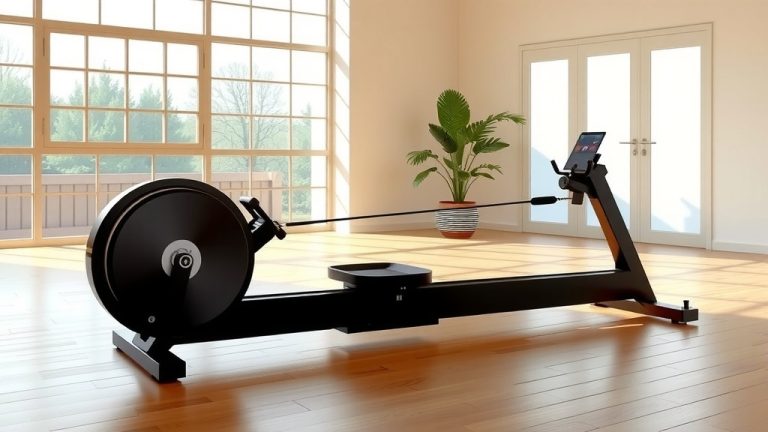
Is Rowing Machine Good For Knee Arthritis?
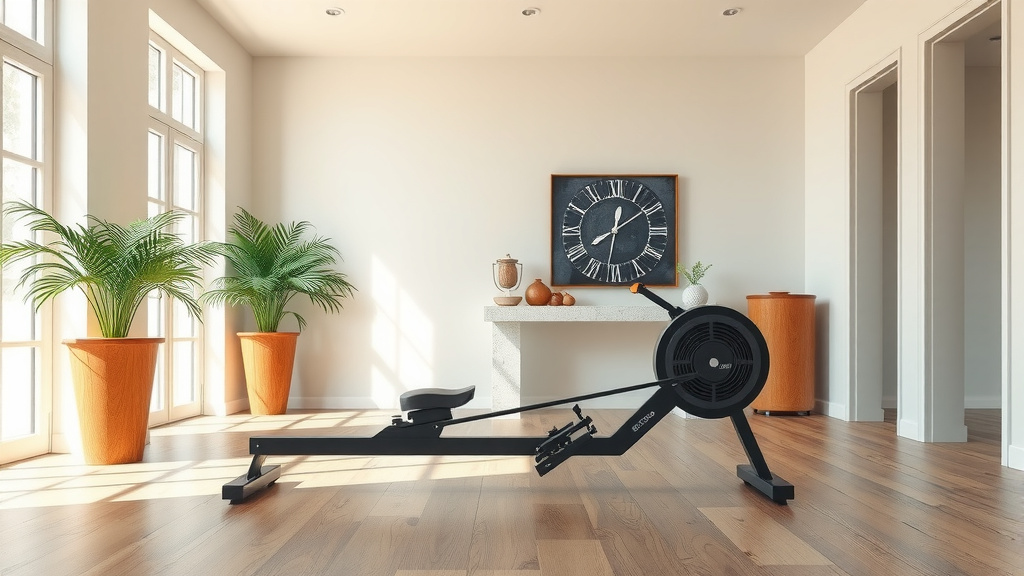
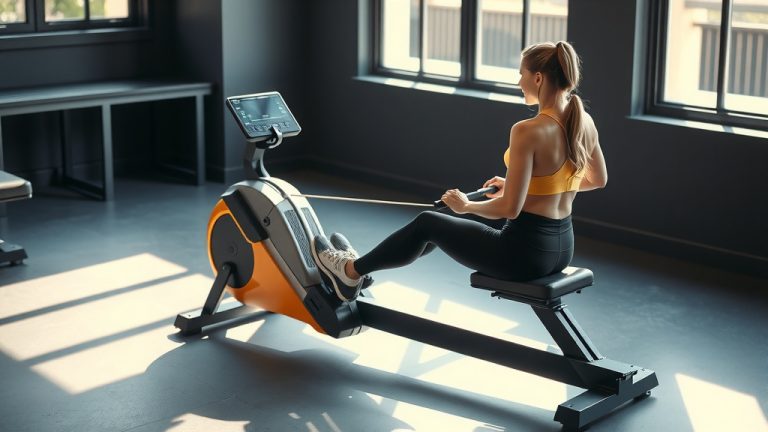
Yes, a rowing machine can be a surprisingly good option for people with knee arthritis, especially when used with proper form. It offers a low-impact workout that helps strengthen surrounding muscles and improve joint mobility without putting excessive stress on your knees.
Many experts suggest rowing as a friendly exercise for joint health because it keeps your knees moving through a controlled range of motion, which can ease stiffness and discomfort.
- A rowing machine is often a great low-impact exercise for managing knee arthritis symptoms.
- It helps strengthen key muscles around your knees, providing better support and stability.
- The continuous motion can improve joint lubrication and reduce stiffness.
- Always focus on correct form and listen to your body to avoid any strain.
- Consult your doctor or a physical therapist before starting any new exercise program.
Is Rowing Machine Good For Knee Arthritis?
For many facing knee arthritis, finding exercise that helps, not hurts, can feel like a quest. Good news: A rowing machine often fits that bill. It provides a full-body workout that is surprisingly gentle on your knees.
Understanding Your Knees and Arthritis
Your knees are complex joints, working hard every day. When arthritis settles in, it brings pain, stiffness, and sometimes swelling. It can make simple movements feel like a challenge.
What Happens with Knee Arthritis?
With arthritis, the protective cartilage in your knee can wear down. This leads to bone rubbing on bone, causing discomfort. It can make you hesitant to move, which only makes things worse.
Why Movement Matters for Arthritic Knees
Even though it might seem counterintuitive, movement is key. Gentle exercise helps keep your joints flexible. It also strengthens the muscles that support your knees, like your quadriceps and hamstrings.
Rowing: A Low-Impact Champion for Joints
Think of rowing as gliding, not pounding. Unlike running or jumping, rowing keeps your feet connected to the machine. This means less jarring impact on your delicate knee joints.
The Gentle Glide of a Rowing Stroke
The motion of rowing is smooth and cyclical. Your knees bend and straighten in a controlled way. This consistent, low-load movement can actually be therapeutic for stiff joints.
Muscle Strengthening Without the Pound
Rowing works about 86% of your body’s muscles. You engage your legs, core, and upper body all at once. This builds strength around your knees without harsh impact (Mayo Clinic).
Benefits of Rowing for Knee Arthritis Sufferers
Many experts say rowing offers multiple advantages for those with knee arthritis. It’s more than just a cardio workout. It’s a strategic move for joint well-being.
Improved Joint Lubrication
Movement encourages synovial fluid to circulate within your knee joint. This fluid acts like oil for your car engine, reducing friction and stiffness. Rowing helps get that fluid moving naturally.
Enhanced Muscle Support
Strong muscles around your knee act like natural shock absorbers. Rowing builds these muscles, offering better support and stability. This can truly ease the pressure on your joint itself.
Weight Management and Less Joint Stress
Maintaining a healthy weight is vital for knee health. Excess weight puts more stress on your knees. Rowing burns calories, helping you manage your weight effectively (NIH).
Cardiovascular Health for Overall Wellness
Beyond joint relief, rowing offers fantastic cardiovascular benefits. A strong heart means better overall health. This improved wellness can positively impact how you manage arthritis symptoms.
- Strengthens leg muscles for better knee support.
- Promotes natural lubrication within your joints.
- Helps with weight control, reducing knee strain.
- Offers excellent cardio without high impact.
- Keeps joints moving to reduce stiffness.
Making Rowing Safe and Effective for Your Knees
Getting the most from your rowing machine with knee arthritis requires some smart steps. Your technique and approach truly matter.
Proper Form is Your Best Friend
Good form is crucial to protect your knees and get a complete workout. If you are unsure, watch some videos or ask a physical therapist. A few adjustments can make a big difference.
- Start with arms straight: Lean forward slightly from your hips.
- Drive with your legs: Push back powerfully through your heels.
- Maintain a straight back: Keep your core engaged, don’t slouch.
- Finish with arms and core: Pull the handle to your lower ribs.
- Return slowly: Let your arms extend, then bend your knees.
- Avoid over-compression: Don’t pull your heels all the way to your glutes.
Starting Slow and Listening to Your Body
Don’t jump in too fast. Begin with short sessions, maybe 10-15 minutes, at a light pace. If you feel any sharp pain, stop immediately. Your body will tell you what it can handle.
Choosing the Right Resistance Level
You don’t need maximum resistance for a good workout. In fact, lower resistance often feels better for arthritic knees. Focus on smooth, fluid movements rather than brute strength.
What About Specific Types of Arthritis?
While rowing is generally good, the type of arthritis you have might influence your approach. Always seek advice from your healthcare provider.
Osteoarthritis and Rowing
For osteoarthritis, a rowing machine can be highly beneficial. It helps maintain motion and builds supporting muscles. This is often recommended by doctors (Cleveland Clinic).
Rheumatoid Arthritis and Rowing
If you have rheumatoid arthritis, you may experience flare-ups. During these times, rest might be best. Outside of flares, gentle rowing can help maintain joint function. Always check with your rheumatologist.
When to Be Cautious: Talking to Your Doctor
A conversation with your doctor or a physical therapist is always a smart move. They can give you personalized advice based on your specific knee condition.
Here’s a quick look at how rowing compares to other activities for knee health:
| Activity | Knee Impact Level | Benefits for Arthritis |
|---|---|---|
| Rowing | Low | Full body, muscle support, lubrication |
| Swimming/Water Aerobics | Very Low | Zero impact, great joint mobility |
| Cycling (Stationary) | Low | Leg strength, good cardio |
| Walking | Moderate | Weight bearing, circulation, easy access |
| Running | High | Not usually recommended for active arthritis |
Beyond the Rower: Complementary Activities
While rowing is a fantastic tool, consider a balanced approach. Adding activities like swimming or gentle yoga can also support your knees. Variety often keeps things interesting and muscles balanced.
Conclusion
For many with knee arthritis, a rowing machine can be a genuine ally in your fitness journey. It offers a powerful, low-impact workout that strengthens muscles and promotes joint health. Remember to always prioritize proper form and listen closely to your body. With a thoughtful approach and your doctor’s guidance, you can embrace the benefits of rowing and keep your knees moving happily.
Are there any specific warm-up exercises I should do before rowing with knee arthritis?
Yes, a gentle warm-up is important. Try light stretching for your hamstrings, quadriceps, and hip flexors. Performing some slow, controlled knee bends or leg swings can also prepare your joints for the rowing motion.
How often should someone with knee arthritis use a rowing machine?
Start with 2-3 times per week for shorter durations, perhaps 15-20 minutes. As your body adapts and if you feel comfortable, you can gradually increase the frequency or length of your sessions. Consistency is more important than intensity.
Can rowing help with knee pain reduction in the long term?
Many people find that regular, low-impact exercise like rowing helps reduce knee pain over time. By strengthening supporting muscles, improving joint lubrication, and aiding in weight management, rowing addresses several factors that contribute to arthritis pain.
What are common mistakes to avoid when rowing with sensitive knees?
Avoid excessive knee flexion at the catch (don’t pull your heels all the way to your glutes). Also, do not “jerk” the handle; keep your movements smooth and controlled. Power should come from your legs, not your back or arms, to protect your knees and spine.
Is a water rower or air rower better for knee arthritis?
Both water and air rowers provide a low-impact workout. Water rowers often offer a smoother, more fluid feel that some find gentler on joints. Air rowers can be adjusted for resistance. Try both if you can to see which feels more comfortable for your knees.