Is Rowing Machine Good For Knee Osteoarthritis?
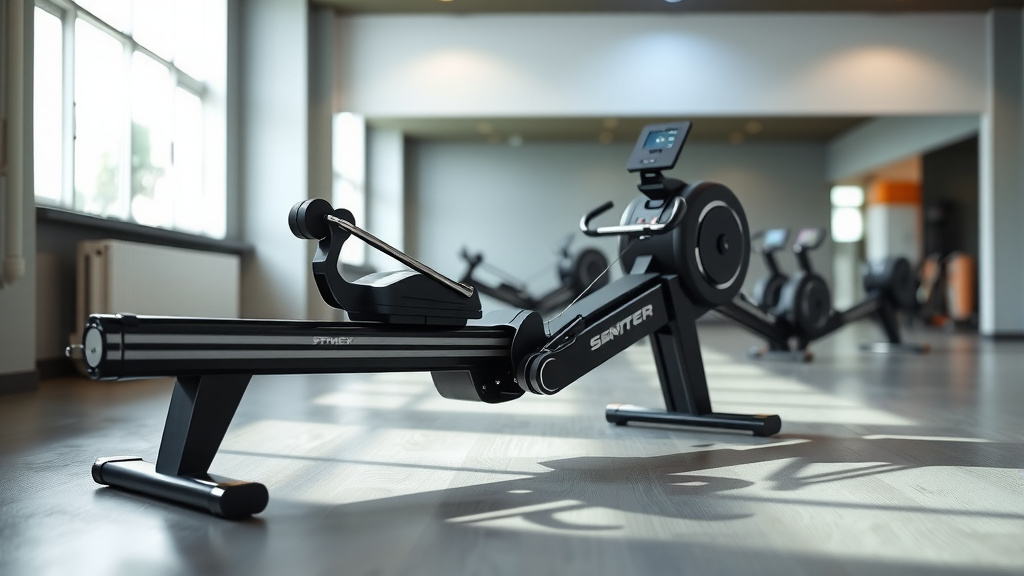
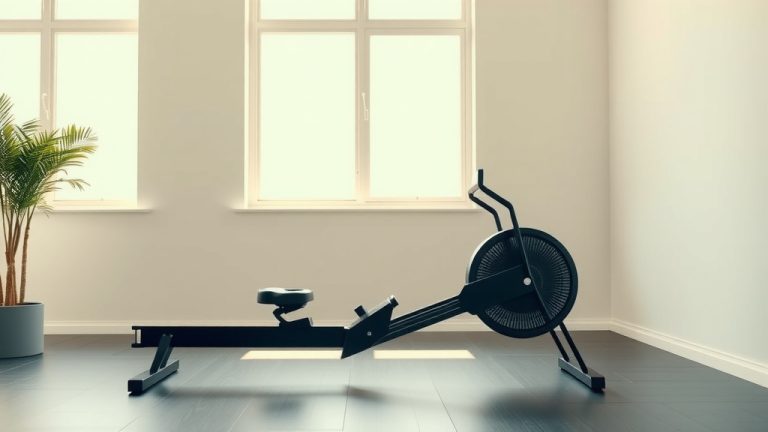
Yes, a rowing machine can be a surprisingly good option for people with knee osteoarthritis, offering a low-impact way to exercise.
It helps strengthen muscles around the knee without the harsh impact of running or jumping, making it a safer choice for joint health.
- Rowing offers a gentle, non-weight-bearing workout, which is perfect for sensitive knees.
- It builds strength in your legs, core, and back, supporting your knees better.
- You get a great cardio workout without harsh joint impact.
- It helps improve joint mobility and reduce stiffness.
- Always check with your doctor before starting any new exercise program.
Is Rowing Machine Good For Knee Osteoarthritis?
Rowing machines are often a smart choice if you live with knee osteoarthritis. This low-impact exercise lets you work your body hard without putting heavy stress on your knee joints.
Many experts, including those at the Mayo Clinic, often suggest low-impact activities like rowing for people with joint pain. It helps maintain fitness and reduce pain.
Understanding Knee Osteoarthritis and Exercise
Knee osteoarthritis happens when the protective cartilage in your knee wears down. This causes pain, stiffness, and sometimes swelling. Finding exercise that doesn’t worsen these symptoms is key.
Your goal is to strengthen the muscles that support your knee, keep your joints flexible, and manage your weight. All these actions can help reduce your discomfort.
Why Rowing Stands Out for Knee Health
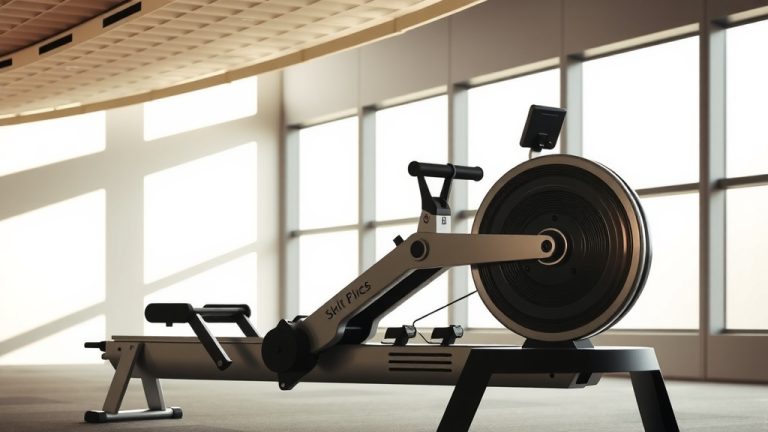
Rowing involves a smooth, controlled motion. You glide back and forth on a seat, using your legs, core, and arms. This movement avoids the jarring impact you get from activities like running or jumping.
Because your body weight is supported by the machine, your knees experience less pressure. This makes rowing a gentler alternative for exercise.
Low-Impact Benefits Are Real
We found that low-impact exercises are consistently recommended for joint pain (NIH). Rowing fits this description perfectly. Your feet stay connected to the foot stretchers, and your body moves in a fluid motion.
This means you get a powerful workout for your major muscle groups without stressing your knees. It’s like floating through your exercise.
Muscles You’ll Strengthen While Rowing
Rowing is a full-body workout. It engages about 85% of your muscles. For your knees, this means you’ll strengthen the surrounding support system.
You’ll work your quadriceps, hamstrings, and glutes. These muscles are vital for knee stability and function. Stronger muscles mean better knee support.
Quadriceps and Hamstrings for Stability
The pushing phase of rowing powerfully engages your quadriceps. These front thigh muscles help extend your knee. The pulling phase activates your hamstrings, which bend your knee.
Developing balanced strength in both these muscle groups is very helpful for people with knee osteoarthritis. It creates a protective muscular brace around your joint.
Cardiovascular Health Without the Strain
Maintaining a healthy heart is important for everyone. Rowing provides excellent cardiovascular benefits. You can elevate your heart rate and burn calories efficiently.
This means you can improve your heart health and potentially manage your weight, which can further reduce stress on your knees. It’s a win-win for your whole body.
Weight Management and Joint Pressure
Excess body weight places more strain on your knee joints. Losing even a small amount of weight can significantly reduce knee pain (CDC). Rowing helps burn calories, aiding in weight management.
Think of it as lightening the load on your knees with every stroke. Every calorie burned helps reduce the burden on your joints.
How to Row Safely with Knee Osteoarthritis
Even though rowing is generally safe, proper technique is key. Bad form can still put undue stress on your knees. Always prioritize form over speed or intensity.
Here are some tips to make your rowing experience positive and pain-free.
Technique is Your Best Friend
Focus on a smooth, controlled motion. Start the stroke by pushing primarily with your legs. Then, lean back slightly from your hips. Finish with your arms pulling the handle towards your chest.
As you return, reverse the order: extend your arms, lean forward, then bend your knees. This sequence ensures your legs do most of the work, and your knees are not compressed too early.
Consider these points for a safe workout:
- Start with shorter sessions and lower intensity.
- Listen to your body; stop if you feel sharp pain.
- Adjust the foot stretchers for a comfortable foot position.
- Keep your back straight and core engaged throughout.
- Consult a physical therapist for personalized form guidance.
Setting Up Your Rowing Machine for Comfort
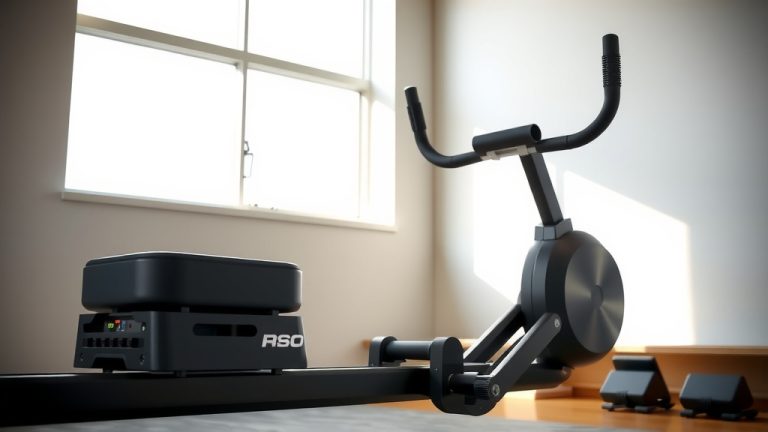
Small adjustments can make a big difference. Ensure your feet are securely strapped in. The straps should cross the widest part of your foot.
You might find that adjusting the resistance level helps. Start with lower resistance to focus on form, then gradually increase it as you get stronger. We found that comfort boosts consistency.
Adjusting Resistance and Stroke Rate
A lower resistance setting can feel smoother and gentler on your knees. You can still get an effective workout by increasing your stroke rate (how many strokes per minute) instead of just increasing resistance.
This allows for more fluid movement without excessive force. It’s about finding the sweet spot for your body.
Rowing vs. Other Exercises for Knees
How does rowing compare to other activities often suggested for knee osteoarthritis? Let’s look at a quick overview.
| Exercise Type | Impact Level | Knee Benefits | Considerations |
|---|---|---|---|
| Rowing | Low-Impact | Strengthens quads, hamstrings, glutes; cardio; supports weight | Proper form is crucial; potential back strain if form is poor |
| Walking | Low-Impact | Good for general mobility; cardio | Can still cause pain if severe OA or on hard surfaces |
| Swimming/Water Aerobics | Very Low-Impact | Excellent for joint mobility; full body; non-weight bearing | Access to pool needed; less weight-bearing strength |
| Cycling (Stationary) | Low-Impact | Strengthens quads/hamstrings; cardio | Range of motion can be an issue; proper seat height matters |
When to Talk to Your Doctor
Before starting any new exercise routine, especially with a chronic condition like osteoarthritis, talk to your doctor or a physical therapist. They can offer personalized advice based on your specific knee condition.
They can help you determine the best approach and intensity level. Your health team is your best resource for guidance.
Listen to Your Body’s Signals
While rowing can be very beneficial, pay close attention to any pain signals. If you experience sharp pain, increasing discomfort, or new swelling, stop and consult your healthcare provider.
Pain is your body’s way of telling you something is wrong. Don’t push through it. Your long-term knee health is the most important goal.
Building a Routine: Consistency is Key
Once you get the green light, aim for consistency. Even short, regular sessions are more beneficial than infrequent, intense workouts. Start with 10-15 minutes a few times a week.
Gradually increase your duration and intensity as your strength and comfort improve. Building a habit takes time and patience. We found that regular movement really helps.
Here’s a quick checklist for starting your rowing routine:
- Get medical clearance first.
- Learn proper rowing technique.
- Start with low intensity and short durations.
- Gradually increase workout time.
- Stay consistent with your efforts.
- Always listen to your body and stop if pain arises.
Conclusion
A rowing machine can be a fantastic tool for managing knee osteoarthritis. It provides a robust, low-impact, full-body workout that supports your knee health without causing undue stress. By strengthening the muscles around your knees, improving cardiovascular fitness, and aiding in weight management, rowing addresses many factors that influence osteoarthritis pain.
Remember to prioritize proper form, start slowly, and always consult your doctor for personalized advice. With the right approach, rowing can help you stay active, reduce pain, and enjoy a better quality of life.
Can rowing worsen knee pain?
If done with incorrect form or excessive intensity, rowing could potentially irritate knee osteoarthritis. Improper technique, like over-compressing your knees at the catch or pushing too hard from the start, can put stress on the joints. Always focus on smooth, controlled movements and listen to your body.
What is the best resistance level for knee osteoarthritis?
There isn’t a single “best” resistance level for everyone. It’s highly individual. Most experts suggest starting with a lower resistance setting. This allows you to focus on developing proper form and building strength gradually without excessive strain on your knees. You can increase your stroke rate to get a cardio workout at lower resistance.
How often should someone with knee osteoarthritis use a rowing machine?
A good starting point is 2-3 times per week, for 10-15 minutes per session. As your knees adapt and your strength improves, you can gradually increase the duration to 20-30 minutes and potentially add another session. Consistency is more important than extreme intensity, so aim for regular, manageable workouts.
Are there any modifications for rowing with severe knee pain?
Yes, there are modifications. You can try reducing the range of motion by not fully extending your legs at the drive or not coming fully forward at the catch. Some people find adjusting the foot stretchers to a different height helps. If pain persists, a physical therapist can offer specific adjustments or alternative exercises.
What other low-impact exercises complement rowing for knee health?
Swimming, water aerobics, stationary cycling, and gentle yoga or Pilates are excellent complements. These activities further strengthen supporting muscles, improve flexibility, and provide cardiovascular benefits without putting additional impact on your knees. A varied exercise routine can offer comprehensive support for your joint health.