Is Rowing Machine Good For Knees?
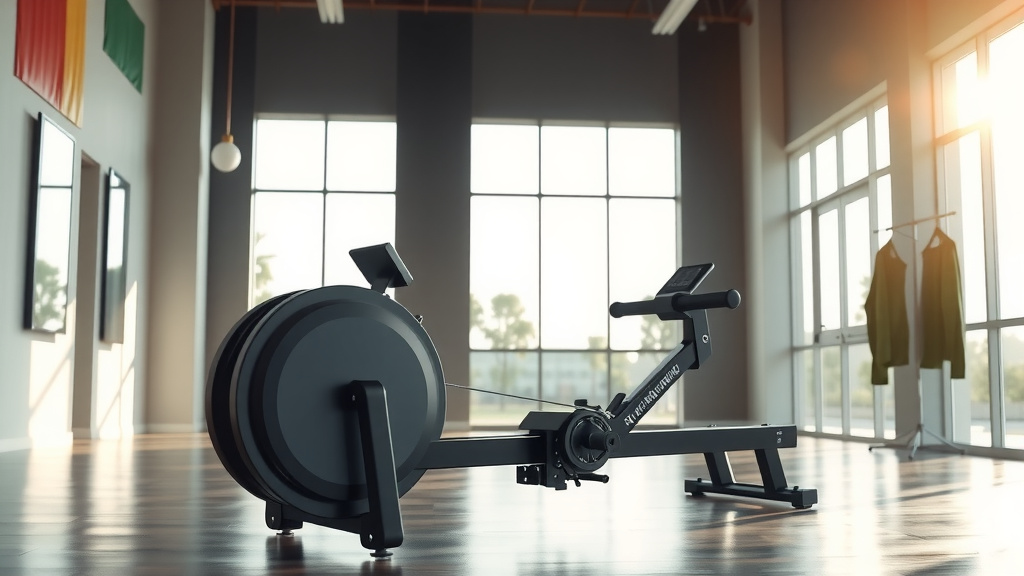
Yes, a rowing machine can be very good for your knees, especially when used with proper form. It offers a low-impact workout that strengthens the muscles supporting your knee joints.
Rowing is a unique exercise that provides a full-body cardio and strength workout without the jarring impact often found in running or jumping. This makes it a smart choice if you have knee concerns.
Here’s a quick overview of why rowing might be your knees’ new best friend:
- Rowing is a low-impact exercise, reducing stress on your knee joints.
- It helps build strong leg muscles, which protect and stabilize the knees.
- You can adjust the intensity, making it suitable for various fitness levels and knee conditions.
- Proper form is key to avoid strain; learn the technique.
- It offers a great cardio workout without the pounding on joints.
Is Rowing Machine Good For Knees?
Absolutely, a rowing machine is often recommended as a good exercise for your knees. It allows you to move your knee joints through a full range of motion without bearing your body weight or experiencing high impact.
Understanding Knee Impact in Exercise
When you exercise, some movements can put a lot of stress on your knees. Running or jumping, for example, involves repeated impact. This impact can sometimes lead to wear and tear over time.
For those with existing knee issues or concerns, finding low-impact options is often a top priority. It helps maintain fitness without causing further discomfort or injury.
Why Rowing is Low-Impact
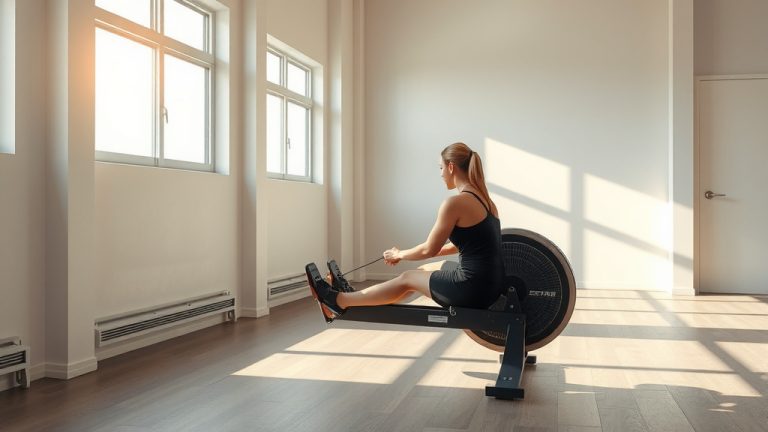
Unlike activities that involve striking the ground, rowing keeps your feet strapped to a foot stretcher. Your body slides back and forth on a seat. This design means there’s no direct impact on your knee joints.
The resistance comes from pushing against the foot stretcher and pulling the handle. This provides a smooth, controlled motion. Your knees bend and straighten, but without the force of gravity working against them.
Strengthening Muscles Around Your Knees
A rowing workout engages many muscles that support your knees. You use your quadriceps, hamstrings, and glutes quite a lot. Strong leg muscles act like a natural brace for your knees.
Building strength in these areas can help stabilize your knee joint. This stability can prevent injuries and reduce pain. Many experts suggest this type of muscle strengthening (Mayo Clinic).
The Power of the Drive Phase
During the “drive” phase of rowing, you push off the foot stretcher. This part of the stroke relies heavily on your leg power. It’s like doing a leg press, but in a very fluid and controlled way.
This pushing action builds strength in your quads and glutes. These muscles are directly linked to knee health. Strong quads protect the kneecap and absorb shock.
The Role of the Recovery Phase
The “recovery” phase involves bringing your body back to the starting position. Your knees bend as you slide forward. This movement gently stretches and articulates the knee joint.
This controlled bending and straightening can help improve knee flexibility. It can also enhance blood flow to the joint. Both are great for overall knee well-being.
Proper Form is Your Knee’s Best Friend
While rowing is low-impact, incorrect form can still cause problems. Many people make the mistake of bending their knees too early. This can put undue stress on them.
Remember, the rowing stroke is about 60% legs, 20% core, and 20% arms. Focus on pushing with your legs first. Only then should your back pivot and arms pull.
Checking Your Rowing Technique
Here’s a simple checklist for good rowing form to protect your knees:
- Start with your shins vertical, but not past the ankles.
- Push off with your legs first, engaging your glutes and quads.
- Keep your core strong and back straight, not hunched.
- Only allow your knees to bend after your hands have cleared them on the recovery.
- Maintain a smooth, controlled motion throughout the stroke.
Adjusting for Knee Sensitivity
If you have sensitive knees, you can adjust your rowing workout. You might start with a lower resistance setting. This reduces the strain during the push-off.
Also, consider a shorter stroke length if full extension is uncomfortable. Gradually increase resistance and stroke length as your knees get stronger. Listening to your body is always key.
Here’s a quick comparison of rowing vs. other cardio for knee impact:
| Exercise Type | Knee Impact Level | Primary Knee Benefit |
|---|---|---|
| Rowing Machine | Low | Muscle strengthening, flexibility |
| Running | High | Cardiovascular fitness |
| Cycling | Low | Quad and hamstring strength |
| Elliptical | Very Low | Fluid motion, muscle activation |
When to Talk to a Professional
If you have persistent knee pain, always consult your doctor or a physical therapist. They can assess your specific condition. They might offer tailored advice or modifications for your workouts.
Remember, even good exercise can be harmful if you ignore warning signs. Pain is your body’s way of telling you something is wrong. Listen to it carefully.
Conclusion
In summary, the rowing machine is generally an excellent choice for knee health. It provides a low-impact, full-body workout that strengthens the critical muscles around your knee joints. By focusing on proper form and listening to your body, you can enjoy a fantastic workout while keeping your knees happy and strong. So, get on that rower and feel the smooth, powerful glide!
Are rowing machines good for meniscus tears?
Rowing can be suitable for meniscus tears, but only with careful consideration and professional guidance. It’s a low-impact exercise, which is good. However, the deep knee bend might be too much for some tears. Always consult a physical therapist or doctor first to ensure it’s safe for your specific condition and to learn proper modifications.
Can rowing machines help with knee arthritis?
Yes, rowing machines can often help with knee arthritis. The low-impact movement can improve joint lubrication and strengthen surrounding muscles without jarring the joint. Stronger muscles offer better support, potentially reducing arthritis pain. Start with low resistance and focus on smooth, controlled movements.
Is deep knee bending on a rowing machine bad?
Deep knee bending itself isn’t inherently bad on a rowing machine if you have healthy knees and good form. However, if you experience pain, a very deep knee bend might put too much pressure on the joint. You can modify your stroke to not come as far forward. Aim for shins that are vertical, not past your ankles.
What is the best way to prevent knee pain while rowing?
To prevent knee pain, always prioritize proper technique. Push with your legs first, keep your core engaged, and allow your hands to clear your knees before they bend on the recovery. Warm up properly, cool down, and consider lower resistance settings if you’re new or have sensitive knees. Don’t row through pain.
Is rowing better for knees than cycling?
Both rowing and cycling are low-impact and generally good for knees. Rowing engages more muscle groups overall, offering a full-body workout. Cycling focuses more on the lower body. The “better” choice depends on your specific knee condition, comfort level, and fitness goals. Many people find rowing offers a more linear, less rotational stress on the knee compared to some cycling positions.