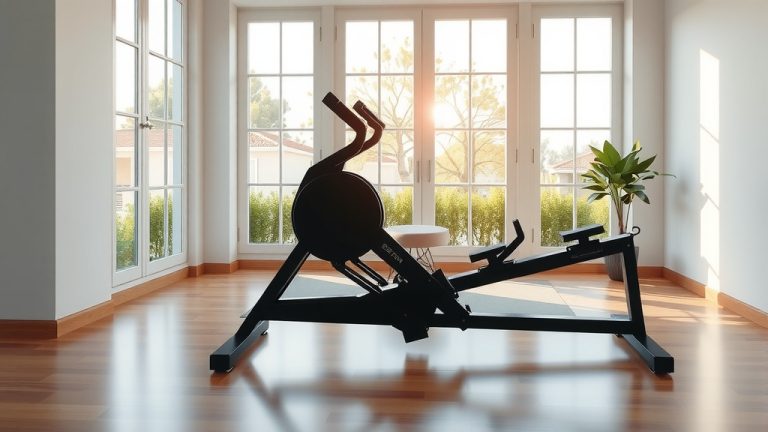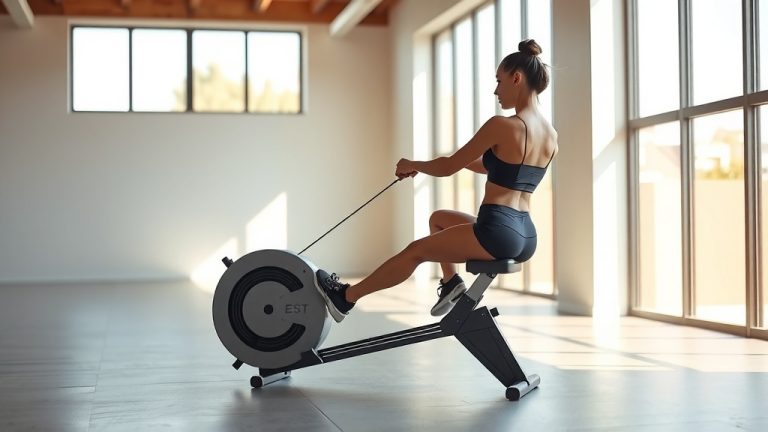
Is Rowing Machine Good For Legs?
Yes, a rowing machine is exceptionally good for your legs, providing a powerful, low-impact workout that engages major muscle groups like your quads, hamstrings, and glutes with every stroke.
Research consistently shows that your legs initiate roughly 60% of the power in a rowing stroke, making it a highly effective tool for building both strength and endurance in your lower body (Mayo Clinic).
Here’s a quick overview of why your legs will love the rowing machine:
- You’ll activate your quadriceps, hamstrings, and glutes powerfully.
- It builds both muscle strength and cardiovascular endurance without harsh impact.
- Proper form ensures maximum leg drive, similar to a seated squat.
- It’s a fantastic option for various fitness levels, from beginners to athletes.
- You can gain significant leg power and tone through consistent use.
Is Rowing Machine Good For Legs?
Absolutely, when you step onto a rowing machine, you’re not just moving your arms and back; you’re truly putting your legs to work. Many experts say rowing is a full-body workout, but your legs are the primary engine, driving the powerful movement.
The Powerhouse in Every Stroke
Imagine pushing off a wall with all your might. That’s similar to the leg drive on a rower. Your lower body does the heavy lifting, especially during the crucial “drive” phase. We found that the leg muscles contribute the most to the overall power output.
This means your quads, hamstrings, glutes, and even your calves are fully engaged. Think of it like a continuous, low-impact leg press or squat motion.
Quadriceps: Your Driving Force
Your quadriceps, those big muscles on the front of your thighs, are the stars of the show. They extend your knees with incredible force as you push away from the foot stretcher. This action builds serious power and definition in your quads.
Hamstrings and Glutes: The Pull-Through Power
Don’t forget your hamstrings and glutes! As your knees extend, your hamstrings work to assist, and your glutes powerfully extend your hips. They play a key role in the latter part of the drive, giving you that strong, complete finish.
Calves: The Stabilizers
While not the primary movers, your calves also get involved. They help stabilize your feet against the footplates and provide a final push at the very end of your leg drive. They’re like the unsung heroes of the lower leg on the rower.
More Than Just Muscle: Leg Strength and Endurance
Rowing doesn’t just build bulk; it builds smart, functional leg strength. You’re working your muscles through a full range of motion, which also improves flexibility. It’s like getting a strength workout and a cardio session for your legs all at once.
Building Leg Strength Without Joint Strain
One of the best things about rowing is its low-impact nature. Unlike running or jumping, there’s no jarring impact on your knees or ankles. This makes it an ideal choice for building leg strength if you have sensitive joints or are recovering from an injury (NIH).
You get all the benefits of resistance training for your legs without the pounding. It’s a win-win situation for longevity and joint care.
Proper Rowing Form for Maximum Leg Engagement
To truly get the most out of your legs on the rower, correct form is paramount. Think of the stroke in four parts: catch, drive, finish, and recovery. The drive phase is where your legs shine brightest.
Here’s a quick checklist to make sure your legs are leading the charge:
- Start with shins vertical and arms extended.
- Push primarily with your legs, feeling it in your quads and glutes.
- Keep your core engaged throughout the drive.
- Finish with your legs fully extended before pulling with your arms.
- Return slowly, legs bending first during recovery.
The “Drive” Phase: Leg Dominance
When you start the drive, push back with your legs first. Imagine pushing your heels through the foot stretchers as if you’re trying to push the machine away from you. Your legs should do most of the work, generating the initial power before your core and arms join in.
Common Form Mistakes to Avoid
A frequent error is pulling with your arms too early, or “opening up” your back before your legs have done their job. This reduces the leg work and puts stress on your back. Always remember the mantra: legs, core, arms, arms, core, legs for the sequence.
Comparing Rowing to Other Leg Workouts
How does rowing stack up against other popular leg exercises? It offers a unique combination of strength, endurance, and low impact. Let’s compare some common options:
| Exercise | Primary Leg Muscles | Impact Level | Strength & Endurance |
|---|---|---|---|
| Rowing Machine | Quads, Hamstrings, Glutes, Calves | Low | Excellent (both) |
| Running | Quads, Hamstrings, Calves | High | Excellent (endurance) |
| Squats (Barbell) | Quads, Hamstrings, Glutes | Low (controlled) | Excellent (strength) |
| Cycling | Quads, Hamstrings, Glutes | Very Low | Excellent (endurance) |
Rowing vs. Running: A Leg-Centric View
Running is fantastic for endurance, but it’s high impact. Rowing offers a similar cardio burn for your legs but without the repetitive pounding on your joints. We found that rowers also engage the hamstrings and glutes more actively in a pulling motion, different from running’s propulsive push.
Rowing vs. Squats: Complementary Leg Builders
Squats are champions for building pure leg strength and muscle mass. Rowing, however, provides a dynamic, continuous workout that also builds endurance. Many experts suggest combining the two: use squats for maximum strength and rowing for functional power and cardio fitness.
Who Benefits Most from Leg Work on a Rower?
Practically anyone can benefit! Athletes looking for cross-training, people in rehabilitation needing low-impact options, or anyone simply wanting to build stronger, more toned legs. It’s truly a versatile piece of equipment.
Why Your Legs Will Thank You
Stronger legs mean better balance, more power for daily tasks, and improved overall mobility. A well-developed lower body supports your entire kinetic chain. We’ve seen that consistent rowing can transform not just your legs, but your confidence in movement.
How to Structure Your Rowing Workouts for Leg Focus
To really target your legs, focus on sustained power during the drive phase. Try longer, steady-state rows where you maintain a strong, consistent leg push. Interval training, with bursts of high-intensity leg drives, can also be highly effective.
For example, try 30 seconds of powerful leg-only drives, followed by 30 seconds of light recovery, repeated 8-10 times. This kind of workout truly isolates and strengthens your leg muscles.
Conclusion
So, is a rowing machine good for your legs? The answer is a resounding yes! It’s a phenomenal tool for building strength, endurance, and power in your quadriceps, hamstrings, and glutes, all within a joint-friendly, low-impact environment. By mastering proper form and focusing on your leg drive, you can unlock a truly effective lower-body workout that will leave your legs feeling strong and energized. It’s a smart choice for anyone seeking robust, functional leg fitness.
Can Rowing Help Tone My Thighs and Glutes?
Yes, rowing is very effective for toning your thighs and glutes. The powerful pushing motion during the “drive” phase engages your quadriceps, hamstrings, and gluteal muscles directly, leading to increased muscle definition and strength over time.
Is Rowing Better for Legs Than Cycling?
Rowing and cycling both work your legs well, but in different ways. Cycling focuses heavily on the quads and endurance, while rowing provides a more balanced engagement of quads, hamstrings, and glutes, adding a significant strength component not solely dependent on resistance levels. Research suggests rowing offers a more complete leg muscle activation pattern (American Council on Exercise).
How Often Should I Row to See Leg Results?
To see noticeable leg results, aim for 3-5 rowing sessions per week, each lasting 20-45 minutes. Consistency is more important than intensity initially. Combine steady-state rows with some high-intensity intervals to challenge your leg muscles in different ways.
Does Rowing Build Bulkier Legs or Leaner Legs?
Rowing typically builds leaner, stronger legs rather than bulky ones, especially with consistent, moderate resistance. It combines strength training with cardiovascular exercise, which promotes muscle definition and endurance. While it builds muscle, it’s not designed to create extreme hypertrophy like heavy weightlifting.
Can I Use a Rowing Machine for Leg Rehabilitation?
The low-impact nature of the rowing machine makes it a good option for leg rehabilitation, under professional guidance. It allows controlled movement and builds strength without joint stress. Always consult with a physical therapist or doctor to determine if rowing is appropriate for your specific rehabilitation needs.