What Burns More Calories Exercise Bike Or Rowing Machine?
Generally, a rowing machine burns more calories than an exercise bike because it engages more muscle groups for a full-body workout.
However, the exact calorie burn for both an exercise bike and a rowing machine largely depends on your workout intensity, duration, and individual body weight.
- A rowing machine typically burns more calories due to its full-body engagement, using about 85% of your muscles.
- Exercise bikes are excellent for lower-body workouts and cardiovascular health, burning fewer calories per hour on average.
- Your personal effort, workout length, and body mass are big factors in how many calories you actually burn on either machine.
- For maximum calorie burn, high-intensity interval training (HIIT) on either machine can be very effective.
- The best machine for you depends on your fitness goals, joint health, and what type of workout you enjoy most.
What Burns More Calories Exercise Bike Or Rowing Machine?
A rowing machine typically burns more calories per hour than an exercise bike due to its comprehensive full-body engagement. It activates a larger percentage of your body’s musculature, leading to a higher energy expenditure.
Understanding Calorie Burn Basics
When you exercise, your body uses energy, which we measure in calories. The more energy your muscles need, the more calories you burn. It’s like fueling your car; a bigger engine uses more gas.
Intensity and Duration: Key Factors
How hard you work and how long you exercise dramatically impact calorie burn. A quick, intense workout can be as effective as a longer, moderate one (NIH). Think of it like a sprint versus a jog.
Pushing yourself with a higher resistance or a faster pace will always burn more calories. If you want results, you must put in the effort.
Your Body Weight and Metabolism
Your body weight plays a big role in calorie expenditure. Larger individuals generally burn more calories performing the same activity.
Your metabolism, or how quickly your body converts food to energy, also influences this number. Everyone’s body is a little different, right?
The Rowing Machine Advantage
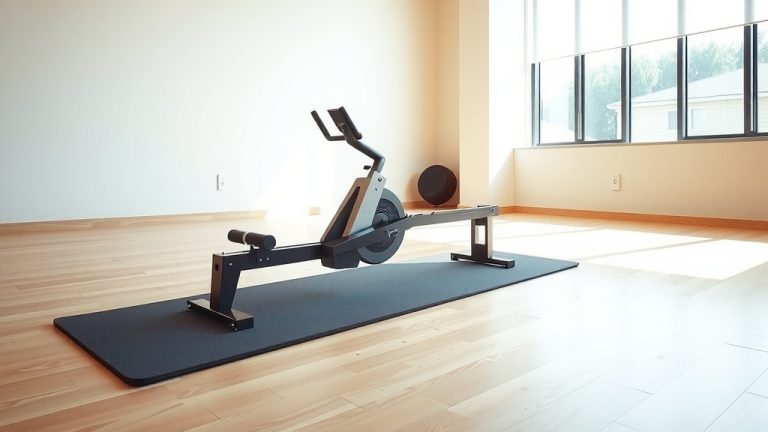
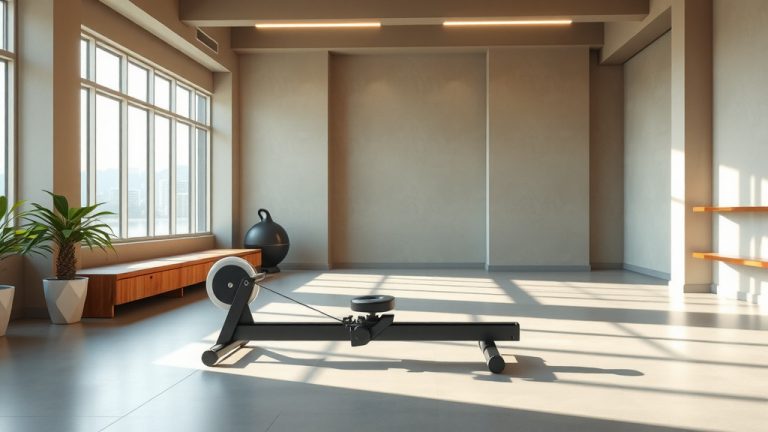
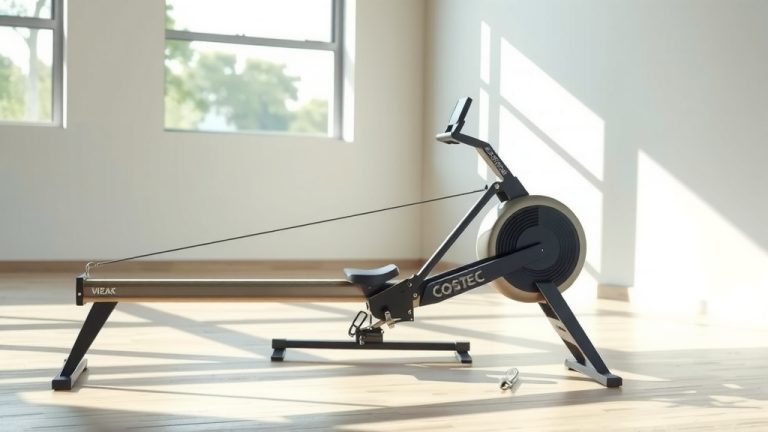
The rowing machine, often called a “erg,” is a powerful fitness tool. It mimics the motion of rowing a boat, offering a unique workout experience.
Many experts refer to it as one of the most complete workouts available (Mayo Clinic).
Why Rowing is a Calorie-Burning Champion
Rowing uses almost every major muscle group in your body. From your legs pushing off to your core stabilizing you and your arms pulling, it’s a symphony of movement.
This widespread muscle activation means your body needs a lot of energy to keep going. More muscles working translates to more calories burned.
Muscles Engaged While Rowing
You’ll feel it in your quads, hamstrings, glutes, and calves. Your back, shoulders, and arms also get a fantastic workout.
Even your abs and obliques are working hard to keep you stable. It’s a true full-body strength and cardio challenge.
The Exercise Bike’s Strengths
Exercise bikes are incredibly popular, and for good reason. They are fantastic for cardiovascular health and easy on your joints.
You can choose from upright, recumbent, or spin bikes, each offering a slightly different feel.
How Exercise Bikes Burn Calories
Bikes primarily focus on your lower body muscles: your quads, hamstrings, and glutes. While they are powerful muscles, they don’t engage as many groups as rowing.
This means that for the same perceived effort, you might burn a little less on a bike. But don’t count them out; they offer great benefits.
Types of Bikes and Their Impact
Upright bikes resemble outdoor cycling and offer a good core workout. Recumbent bikes provide back support, making them very comfortable for longer rides.
Spin bikes allow for high-intensity, immersive workouts, often in a class setting. Each type can burn calories effectively, depending on how you use it.
Rowing vs. Cycling: A Direct Showdown
Let’s look at a typical comparison. We found that a person weighing 150 pounds might burn around 400-500 calories in an hour of moderate rowing.
The same person might burn 300-400 calories on a stationary bike for an hour (Harvard Health Publishing).
Remember, these are estimates; your results may vary. Your individual effort truly makes the difference.
| Feature | Rowing Machine | Exercise Bike |
|---|---|---|
| Primary Muscles | Full body (legs, core, back, arms, shoulders) | Lower body (quads, hamstrings, glutes) |
| Calorie Burn (Approx. per hour) | Higher (400-800+) | Moderate (300-600+) |
| Joint Impact | Low impact | Very low impact |
| Cardio & Strength | Excellent for both | Excellent for cardio, some strength |
| Skill Level | Requires proper form initially | Easy to learn, straightforward |
Choosing Your Best Fit
So, which machine should you choose? It really comes down to your fitness goals and what feels good for your body. Think about what you want to achieve.
Do you prefer a full-body workout or a targeted leg workout? Do you have any joint limitations?
Tips for Maximizing Calorie Burn
No matter which machine you pick, you can always boost your calorie burn. It’s about working smarter, not just harder.
These simple tips can help you get the most from your workout:
- Try High-Intensity Interval Training (HIIT): Short bursts of maximum effort followed by recovery periods.
- Increase resistance: Make your muscles work harder with a heavier load.
- Focus on proper form: This helps activate the right muscles and prevents injury.
- Stay consistent: Regular workouts burn more calories over time.
- Engage your core: A strong core helps with overall power and stability on both machines.
Making Your Choice
Consider these points before settling on one machine. It’s about finding your perfect match.
Here’s a quick checklist to guide your decision:
- Do you want a full-body exercise or a lower-body focus?
- Are you comfortable learning proper rowing technique?
- Do you have any back or knee issues that might affect your choice?
- Is joint impact a major concern for you?
- What type of workout do you genuinely enjoy doing?
Conclusion
When it comes to raw calorie burn, the rowing machine often takes the lead due to its incredible full-body engagement. It’s a fantastic choice if you’re looking to maximize your energy expenditure in one session.
However, the exercise bike remains a superb option for cardiovascular fitness, lower-body conditioning, and joint-friendly workouts. The “best” machine is truly the one you’ll use consistently and with enthusiasm.
No matter your choice, remember that your personal effort, consistency, and a balanced diet are the real keys to achieving your fitness goals. Keep moving, stay active, and enjoy your journey!
Is a Rowing Machine Good for Weight Loss?
Yes, a rowing machine is excellent for weight loss. It provides a highly efficient full-body workout that burns a significant amount of calories. Consistent rowing, combined with a healthy diet, can help create the calorie deficit needed for weight reduction.
Can You Lose Belly Fat on an Exercise Bike?
You cannot “spot reduce” fat from specific areas like your belly. However, using an exercise bike regularly helps burn overall body fat, including visceral fat around your midsection, as part of a comprehensive weight loss plan. It’s a great tool for general fat loss.
How Long Should You Row for an Effective Workout?
For an effective workout, aim for at least 20-30 minutes of rowing at a moderate to high intensity, three to five times a week. Beginners might start with shorter sessions and gradually increase duration as their fitness improves.
What Are the Advantages of a Recumbent Bike?
Recumbent bikes offer excellent back support and a comfortable, reclined position, making them ideal for people with back pain or those seeking a gentler workout. They are very low impact and still provide a great cardiovascular workout for the lower body.
Can I Use Both a Bike and a Rower in My Routine?
Absolutely! Combining both an exercise bike and a rowing machine can offer a well-rounded fitness routine. You could alternate days or even use them in the same workout session to target different muscle groups and keep your training varied and engaging.