
What Is a Foldable Rowing Machine?
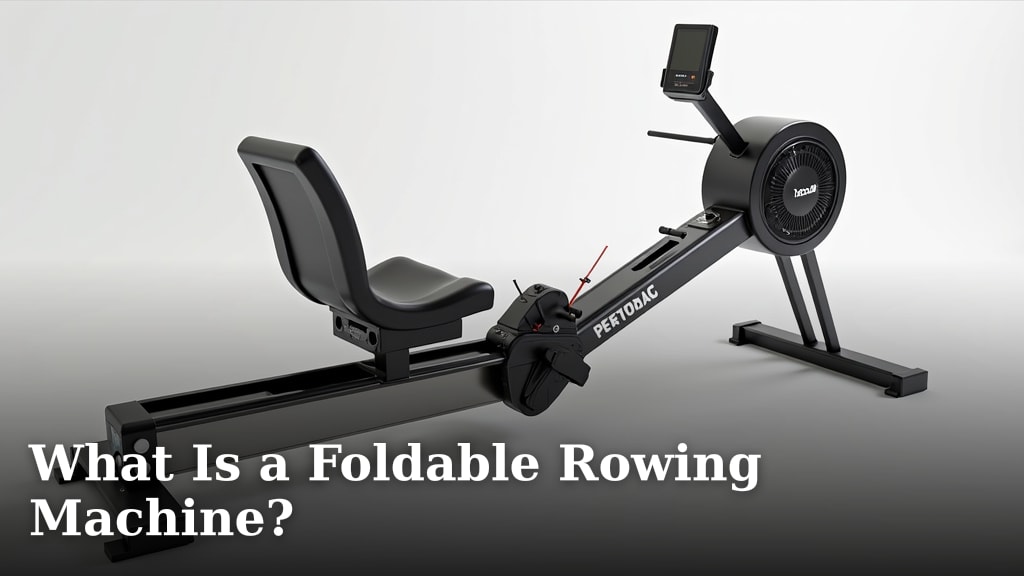
A foldable rowing machine is an exercise device designed to simulate rowing, with a key feature: it can be folded or collapsed for easy storage. This makes it a great option for smaller living spaces or anyone who needs to tuck away their fitness equipment.
You get all the benefits of a full-body workout, but without dedicating a permanent space to the machine. We found that these machines save a lot of space compared to traditional models. They are perfect for home gyms where every square foot counts, offering convenience and versatility.
- A foldable rowing machine saves space by collapsing for storage.
- It offers a full-body workout just like a regular rower.
- These machines are ideal for home gyms or smaller apartments.
- You get the convenience of easily putting away your exercise equipment.
Are you wondering if a foldable rower is right for your home workout routine? Let’s explore everything you need to know about these clever fitness machines.
Understanding Foldable Rowing Machines
A foldable rowing machine is essentially a standard rower built with a clever design feature: it can be collapsed or folded after use. This innovation addresses one of the biggest challenges of home gym equipment: space. You get the full functionality of a traditional rowing machine, but with the added convenience of easy storage. Think of it as a chameleon for your home gym.
How Do They Differ from Traditional Rowers?
The primary difference lies in their portability and storage. Traditional rowing machines are typically one solid piece, requiring a dedicated footprint in your home. They are built for permanence. Foldable models, on the other hand, prioritize versatility. They usually feature a hinge or a breaking point in the rail or frame.
We found that many traditional rowers offer a slightly more robust feel. This is because they don’t need to account for moving parts in the same way. However, the performance gap between good quality foldable and traditional rowers has significantly narrowed over time.
What Makes a Rowing Machine “Foldable”?
The folding mechanism is key. Most foldable rowers either fold in half, allowing the rail to stand upright, or the rail detaches and stores vertically. Some models allow you to fold the entire frame into a more compact cube. We’ve seen designs that literally halve the machine’s length.
Another common design involves a rail that slides upwards and locks into place, creating a much smaller vertical footprint. This means you can often roll it into a closet or stand it against a wall. This space-saving design is a game-changer for many homeowners.
Types of Resistance in Foldable Rowers
Just like their traditional counterparts, foldable rowing machines use different types of resistance to mimic the feel of rowing on water. Each type offers a unique workout experience and sound profile. Understanding these can help you choose the best fit.
Magnetic Resistance
Magnetic rowers use a flywheel and magnets to create resistance. When you pull, magnets move closer to or further from the flywheel. This system offers a smooth and quiet operation. You can usually adjust resistance levels with a simple dial or button.
We found that magnetic rowers are often a good choice for apartment living. Their low noise output means you won’t disturb neighbors. They offer consistent resistance throughout the stroke. However, some users report a less “realistic” feel compared to other types.
Air Resistance
Air rowers use a fan flywheel to generate resistance. The harder you pull, the more air the fan displaces, and the greater the resistance. This closely simulates the feel of rowing on water. The resistance is dynamic, responding directly to your effort.
These machines provide an excellent full-body workout. However, they can be quite noisy. The fan creates a distinct whooshing sound. While some find this sound motivating, others might prefer a quieter option. Many experts say air rowers are a favorite for serious rowers (National Strength and Conditioning Association).
Water Resistance
Water rowers use paddles spinning in a tank of water. This creates a very realistic and immersive rowing experience. The resistance naturally increases with the intensity of your stroke, much like real rowing. The sound of sloshing water can be very therapeutic.
These machines tend to be very smooth and offer a natural feel. They often have an aesthetically pleasing design. However, they can be heavier and sometimes bulkier due to the water tank. Filling and draining the tank also requires some maintenance.
Hydraulic Resistance
Hydraulic rowers use a piston system to create resistance, often with adjustable cylinders. These are typically the most compact and affordable type of rower. They often have two separate handles, mimicking the oars of a boat.
While they save space, we found that hydraulic rowers can sometimes feel less smooth or consistent than other types. The resistance might feel different on the push and pull. Some users also report uneven resistance between the two arms. This type is generally recommended for casual use.
Benefits of Choosing a Foldable Rower
Opting for a foldable rowing machine brings several advantages, especially if you have a busy lifestyle or limited space. It’s about maximizing your workout potential without sacrificing your living area.
Space-Saving Design
This is the most obvious and compelling benefit. A foldable rower can free up valuable floor space. Instead of a permanent fixture, it becomes a temporary workout station. You can easily fold it away when not in use. This makes it perfect for apartments, small homes, or multi-purpose rooms.
Imagine being able to host guests without your exercise equipment dominating the room. We found that the ability to store a rower vertically can reduce its footprint by up to 70%. This convenience is a huge draw for many.
Full-Body Workout
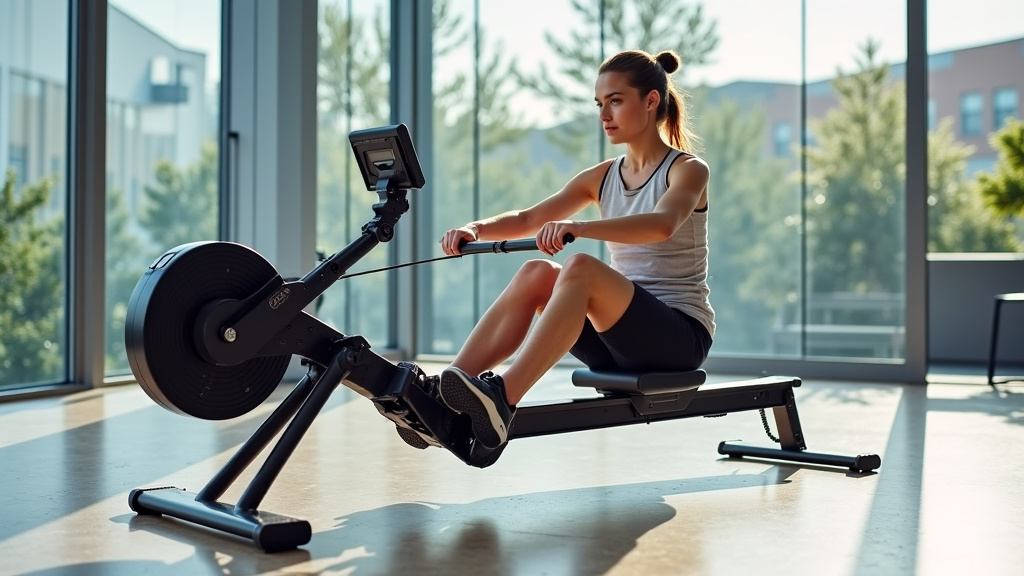
Don’t let the “foldable” part fool you; these machines offer the exact same comprehensive workout as non-folding models. Rowing engages about 85% of your muscles across nine major muscle groups (American Fitness Professionals & Associates). You’ll work your legs, core, back, and arms.
It’s an excellent way to improve cardiovascular health, build strength, and burn calories. You get an efficient and effective workout every time. This makes it a great investment in your overall fitness.
Convenience and Accessibility
Having a foldable rower at home means you can work out whenever you want. No need to travel to a gym or wait for equipment. It’s always there, ready for you. This removes barriers to exercise, making it easier to stick to your fitness goals.
The ease of setup and put-away encourages more frequent use. You’re more likely to hop on for a quick session. This accessibility can be a game-changer for consistency. We often hear that the biggest hurdle to exercise is simply getting started.
Key Considerations When Buying
Before you commit to a foldable rowing machine, there are a few important factors to think about. Your specific needs and living situation will guide your choice. It’s about finding the right balance of features and practicality.
Footprint and Folded Dimensions
Even though they fold, not all foldable rowers are created equal in terms of compactness. Always check the folded dimensions. Will it fit in your closet? Under your bed? Against that wall?
Consider the total length when extended, too. Make sure you have enough space for the full rowing stroke. We suggest measuring your intended storage space and workout area carefully. A little planning prevents big headaches.
Weight Capacity and Build Quality
The weight capacity indicates the maximum user weight the machine can safely support. This is crucial for both safety and durability. Look for machines with a robust frame and stable construction. We found that higher weight capacities often correlate with better build quality.
A sturdy machine will feel more stable during your workout. It will also likely last longer. Don’t compromise on this for the sake of a lower price. It’s an investment in your health, after all.
Ergonomics and Comfort
A comfortable workout is a consistent workout. Pay attention to the seat, handle, and footrests. Is the seat padded? Does it slide smoothly? Are the foot straps secure and adjustable? These details matter.
An ergonomic design reduces strain and makes longer sessions more enjoyable. You want a machine that feels good to use. A well-designed handle will prevent hand fatigue. We found that many users overlook these points, only to regret it later.
Noise Level
As discussed with resistance types, noise can be a significant factor. If you live with others, or in an apartment, a quiet machine is paramount. Magnetic and water rowers tend to be quieter than air rowers.
Think about when and where you’ll be using it. Will a noisy machine disrupt your household? Or will the sound be motivating? Consider your environment and your personal preferences before you buy.
Ease of Folding and Portability
How easy is it to actually fold and unfold the machine? Some models are designed for quick, one-person operation, while others might require a bit more effort. Look for models with built-in transport wheels. This makes moving the folded machine much simpler.
A machine that’s a hassle to fold will quickly become one that stays unfolded. The whole point is convenience, right? A good design makes the process effortless.
Here’s a quick checklist for choosing your foldable rower:
- Check folded and unfolded dimensions: Ensure it fits your space.
- Consider resistance type: Magnetic (quiet), Air (dynamic), Water (realistic), or Hydraulic (compact).
- Verify weight capacity: Match it to the heaviest user for safety.
- Evaluate comfort: Look at seat padding, handle grip, and footrests.
- Assess noise level: Important for shared living spaces.
- Test folding mechanism: Make sure it’s easy to use and move.
Setting Up Your Foldable Rower at Home
Once you’ve chosen your foldable rowing machine, setting it up correctly is important for safety and an optimal workout. Don’t just unbox and go; take a moment to ensure everything is ready.
Choosing the Right Location
Even though it folds, you need enough clear space for when the rower is fully extended. Ensure there’s plenty of room behind and to the sides of the machine. You need to be able to extend your arms and legs fully without hitting anything.
Also, consider the flooring. A stable, level surface is best. We recommend placing a mat underneath to protect your floors and provide extra stability. This also helps dampen any vibrations.
Assembly and First Use
Most foldable rowers come with straightforward assembly instructions. Follow them carefully. Do not skip steps. Pay close attention to securing all bolts and connections. Many experts say a loose bolt can compromise safety.
Before your first full workout, do a few gentle strokes. Check that the seat glides smoothly, the footrests feel secure, and the resistance mechanism works properly. This brief check ensures everything is in order and prevents potential issues down the line.
Conclusion
Choosing a foldable rowing machine means you don’t have to compromise on your fitness goals or your living space. We’ve seen how these clever devices deliver a powerful, full-body workout while offering unmatched convenience for storage. From understanding the different resistance types to considering key features like size and comfort, you’re now equipped with the knowledge to make an informed decision.
You can truly create an effective home gym, even in a small apartment. Carefully review your needs and available space. Then, pick the model that best fits your lifestyle. Get ready to experience the many benefits of rowing, right from the comfort of your home!
Frequently Asked Questions
Can a foldable rowing machine provide the same workout as a non-foldable one?
Absolutely! The “foldable” aspect refers only to its storage capability, not its performance. We found that a good quality foldable rower delivers the same full-body, cardiovascular, and strength-building benefits as any traditional model. You’ll get an equally effective workout.
Are foldable rowing machines less stable or durable?
Not necessarily. While some budget foldable models might feel less robust, many high-quality foldable rowers are built with excellent stability and durability. We recommend checking the weight capacity and user reviews. Look for strong frames and good construction to ensure it lasts.
How much space do I really need for a foldable rower when it’s in use?
Even though it folds for storage, you still need ample space when it’s extended. We suggest measuring the full length of the machine in its operational state. Ensure you have clear space around it for your full arm and leg extension. Always check the manufacturer’s exact dimensions.
Is assembly difficult for a foldable rowing machine?
Most foldable rowing machines are designed for relatively straightforward home assembly. They usually come with clear instructions and necessary tools. We advise following the manual carefully to ensure all parts are securely fastened. This guarantees safety and proper function.
How often do I need to maintain a foldable rowing machine?
Maintenance depends on the resistance type and usage. For most models, we recommend regularly wiping down the rail and seat. Check bolts and connections periodically for tightness. Water rowers may require occasional water treatment. Following the manufacturer’s guidelines will keep your machine running smoothly.
