
What Is a Rowing Machine Good For?
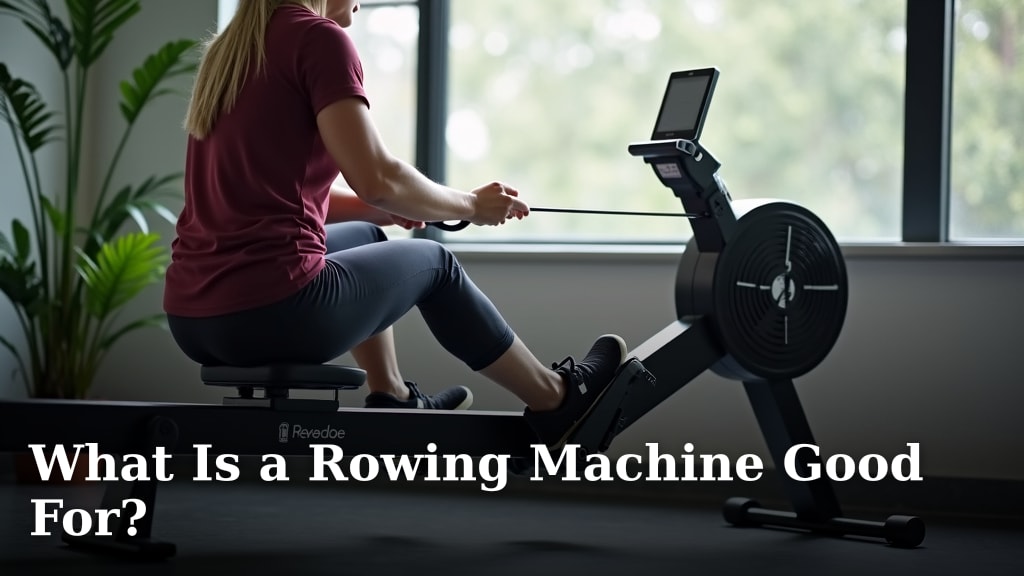
A rowing machine is good for giving you a full-body workout, strengthening your cardiovascular system, and building muscle. It effectively trains 86% of your body’s muscles in a single, fluid motion. We found that it offers a low-impact exercise option that’s kind to your joints.
You can achieve excellent fitness results with regular rowing, whether you’re aiming for weight loss or improved endurance. It’s a versatile piece of equipment, fitting into various fitness goals and routines. Many experts say it’s one of the most efficient workout machines available.
TL;DR:
- Rowing machines offer a full-body workout.
- They strengthen your cardiovascular system.
- You can build muscle and improve endurance.
- It’s a low-impact exercise, gentle on joints.
- Rowing is effective for weight loss.
Let’s walk through exactly how a rowing machine can benefit your health and fitness journey.
Unpacking the Benefits of a Rowing Machine
A rowing machine, often called an ergometer, is a powerhouse for your fitness journey. We found it offers a unique blend of cardiovascular and strength training benefits. It’s an efficient way to get a full-body workout without putting excessive strain on your joints.
A Full-Body Workout Like No Other
Ever wonder which muscles a rowing machine actually works? It’s more than you might think! We found that it engages a remarkable 86% of your body’s muscles in each stroke. This makes it one of the most comprehensive exercise machines available.
Upper Body Engagement
When you pull the handle towards your body, your upper body muscles are hard at work. Your back, shoulders, and arms are key players. This motion helps build strength and endurance in these areas.
- Back Muscles: Your latissimus dorsi (lats) and rhomboids pull the handle.
- Shoulders: Deltoids help stabilize and move your arms.
- Arms: Biceps and triceps work to bend and extend your arms.
Lower Body Powerhouse
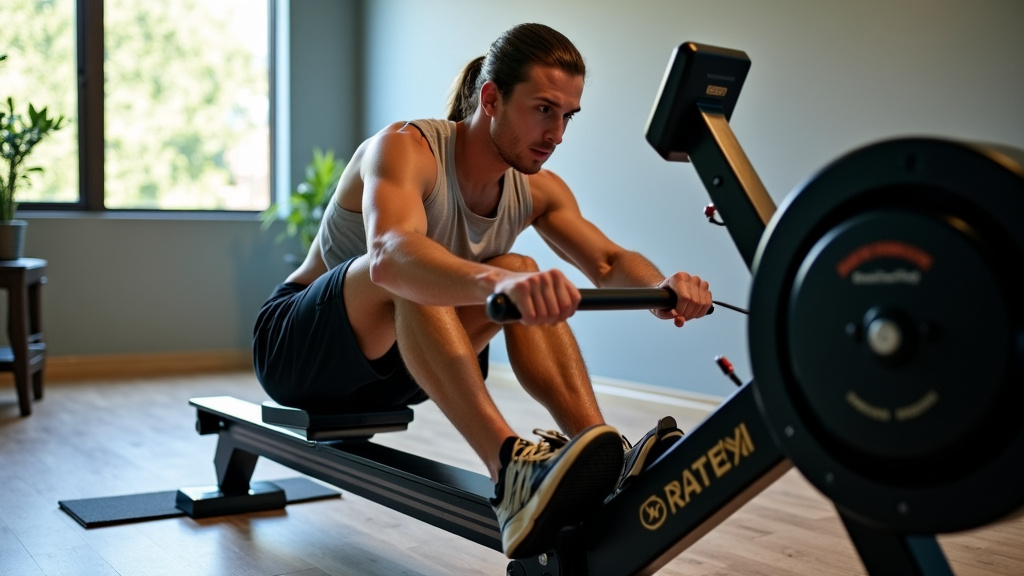
The drive phase of the row, when you push off the foot stretcher, primarily uses your lower body. This builds powerful legs and glutes. It’s like a leg press and squat combined, but in a seated position.
- Legs: Quadriceps and hamstrings provide the main driving force.
- Glutes: Your gluteal muscles engage to extend your hips and provide power.
- Calves: These stabilize your lower legs during the push-off.
Core Strength and Stability
Don’t forget your core! Throughout the entire rowing stroke, your abdominal and back muscles work to stabilize your torso. This is crucial for maintaining good form and preventing injury. A strong core is a foundation for all movements.
Cardiovascular Health and Endurance
Beyond muscle building, a rowing machine is excellent for your heart and lungs. It provides an aerobic workout that challenges your cardiovascular system. This means a healthier heart and improved endurance for daily activities.
When you row, your heart rate increases, and your body learns to use oxygen more efficiently. This can lead to lower resting heart rates and better stamina. We found that regular cardio exercise, like rowing, is vital for long-term health (American Heart Association).
Low-Impact Exercise for Joint Health
Are you concerned about wear and tear on your joints? Many people are. That’s why we appreciate that rowing is a low-impact exercise. Your feet stay connected to the foot stretchers, and you move in a smooth, controlled manner.
This means less stress on your knees, hips, and ankles compared to high-impact activities like running or jumping. It’s a gentle yet effective way to exercise, making it suitable for people of various ages and fitness levels. Even if you have previous injuries, rowing might be a great option.
Effective for Weight Management
Looking to manage your weight? A rowing machine can be a fantastic tool. Because it works so many muscles, it burns a significant number of calories. The more muscles you use, the more energy your body expends.
We found that a moderate rowing session can burn anywhere from 200-400 calories in 30 minutes, depending on your intensity and body weight. Combine this with a healthy diet, and you have a powerful strategy for weight loss or maintenance. Consistency is key here, just like with any fitness routine.
Versatility for All Fitness Levels
Whether you’re a beginner or an experienced athlete, a rowing machine can adapt to your needs. You control the intensity, making it as easy or as challenging as you want. You can do steady-state cardio, high-intensity interval training (HIIT), or even strength-focused sessions.
This versatility means you won’t quickly outgrow your rowing machine. It can continue to challenge you as your fitness improves. We often hear from users that they love how they can always push themselves further.
Mental Well-being and Stress Relief
Exercise isn’t just good for your body; it’s great for your mind too! Rowing can be a wonderful way to relieve stress. The rhythmic, repetitive motion can be almost meditative. It allows you to focus on your breath and movement, providing a break from daily worries.
We found that physical activity releases endorphins, which have mood-boosting effects. Many people find that a good workout helps clear their head and improves their overall mood. It’s a healthy outlet for stress and can lead to better sleep quality.
Space-Saving and Convenient
Worried about fitting a large piece of equipment into your home? Many modern rowing machines are designed with space-saving features. They can often be folded or stored upright when not in use. This makes them a practical choice for smaller living spaces.
Having a rowing machine at home means you can work out whenever it suits your schedule. No need to drive to the gym or wait for equipment. This convenience can significantly increase your consistency with exercise, which is vital for achieving your fitness goals.
Key Benefits at a Glance
Here’s a quick checklist of the major advantages you can gain from using a rowing machine:
- Achieve a nearly full-body workout.
- Boost your cardiovascular health and endurance.
- Enjoy a low-impact exercise, gentle on joints.
- Effectively burn calories for weight management.
- Build muscle strength in both upper and lower body.
- Improve core stability and overall body coordination.
Comparing Rowing to Other Common Exercises
How does rowing stack up against other popular forms of exercise? Let’s take a quick look. This isn’t to say one is “better” than another, but to highlight the unique strengths of rowing.
| Feature | Rowing Machine | Treadmill | Stationary Bike |
|---|---|---|---|
| Muscle Groups Worked | 86% (Full-Body) | Lower Body Primarily | Lower Body Primarily |
| Impact on Joints | Very Low | Moderate to High | Very Low |
| Calorie Burn Potential | High | Moderate to High | Moderate |
| Strength Training Aspect | Moderate (Resistance) | Low | Low |
| Cardiovascular Benefit | Excellent | Excellent | Excellent |
As you can see, rowing offers a unique combination of benefits that sets it apart. It’s rare to find an exercise that is both full-body and low-impact. This makes it a compelling choice for many people.
Conclusion
As we’ve explored, a rowing machine offers an incredibly efficient and versatile path to better health. You get a full-body workout, improved heart health, and joint-friendly exercise all in one. It’s effective for weight management and even boosts your mental well-being.
Whether you’re looking to start a new fitness routine or enhance an existing one, rowing provides exceptional benefits. We encourage you to give it a try. Find a machine that fits your space and budget, and experience the powerful impact it can have on your fitness journey.
Frequently Asked Questions
Is rowing a good workout for beginners?
Yes, rowing is excellent for beginners. You control the intensity, making it easy to start slow and gradually increase as you get fitter. Focusing on proper form is key when you first begin.
How long should a beginner row for?
For beginners, we recommend starting with 10-15 minute sessions, three to four times a week. As your stamina improves, you can gradually increase the duration and frequency of your workouts.
Can a rowing machine help with belly fat?
Regular rowing, combined with a balanced diet, can definitely help reduce overall body fat, including belly fat. It’s a high-calorie-burning exercise that contributes to a calorie deficit needed for fat loss.
What is the best type of resistance for a home rowing machine?
Each type has its pros and cons. Air and magnetic rowers are popular for home use. Air rowers offer a smooth, natural feel, while magnetic rowers are typically quieter and often more compact. Water rowers mimic the feel of rowing on water.
Does rowing build big muscles?
Rowing builds lean muscle mass and strengthens your entire body. While it won’t typically lead to “bulky” muscles like heavy weightlifting, it develops excellent functional strength and endurance across many muscle groups.
