What Is Better For Cardio Treadmill Or Rowing Machine?
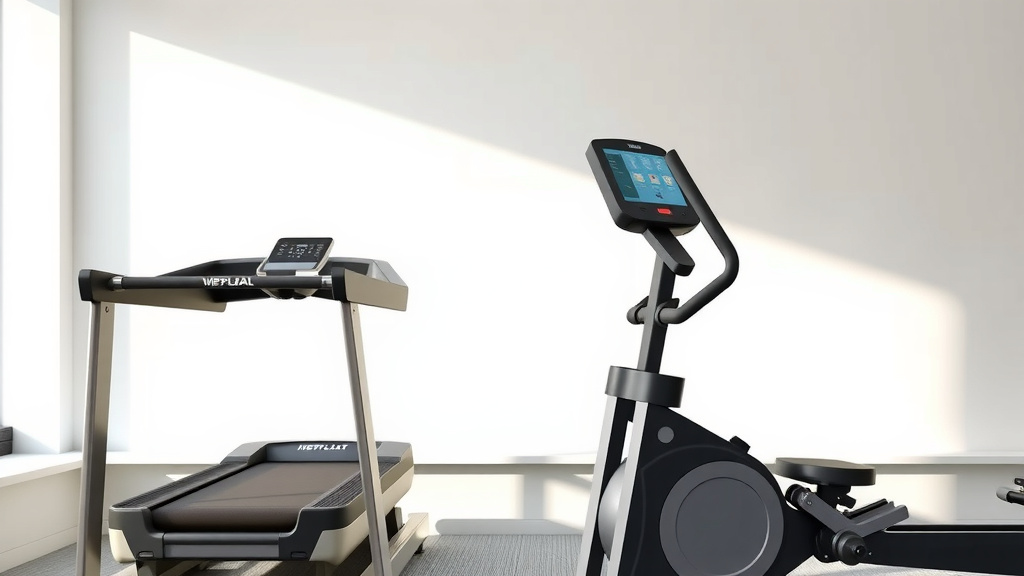
For overall cardio fitness, the rowing machine often provides a more comprehensive, full-body workout than a treadmill, engaging more muscle groups simultaneously.
However, a treadmill excels for specific running training or if you need zero learning curve and love walking or jogging for your primary cardio.
Here’s a quick summary of what we’ll cover:
- Rowing machines give you a powerful, low-impact, full-body cardio workout.
- Treadmills are perfect for running, walking, and building leg endurance.
- Both machines burn a lot of calories, depending on how hard you work.
- Your best choice depends on your fitness goals, joint health, and what you enjoy most.
- The most effective cardio machine is ultimately the one you will use regularly.
What Is Better For Cardio Treadmill Or Rowing Machine?
Neither a treadmill nor a rowing machine is universally “better”; your ideal choice depends on your individual fitness goals and physical needs.
Why Your Cardio Choice Matters
Thinking about your fitness journey? Choosing the right cardio machine can make a big difference in how you reach your goals. It’s not just about sweating; it’s about getting the most out of your time and effort. You want a workout that feels good and helps you progress, right?
Defining Cardio Effectiveness
What makes a cardio workout truly effective? We often look for things like calorie burn, how many muscles it uses, and if it’s kind to our joints. A great cardio session should make your heart pump, challenge your body, and leave you feeling energized. It’s about building endurance and keeping your ticker strong (American Heart Association).
The Treadmill Experience: Running Your Way to Health
Ah, the trusty treadmill! It’s probably the first piece of cardio equipment you think of. Stepping onto a treadmill feels familiar and natural, whether you’re walking, jogging, or sprinting. It mimics one of our most basic movements: walking and running.
Treadmill Benefits: Impact and Accessibility
Many people gravitate toward treadmills for good reason. They allow you to easily control your speed and incline, offering a consistent workout. Research shows that walking and running are excellent for bone density and burning calories (NIH). Plus, almost everyone knows how to use one immediately.
Who Might Prefer a Treadmill?
Are you training for a 5K? Or do you simply love the feeling of a brisk walk or run? If so, a treadmill might be your best friend. It’s superb for improving running mechanics and leg endurance. We found that many runners appreciate the controlled environment for pacing and distance training.
Treadmill Downsides to Consider
While great, treadmills do have some drawbacks. They are a high-impact exercise, which can be tough on your knees, hips, and ankles over time. If you have joint issues, you might find prolonged running uncomfortable. Also, it’s primarily a lower-body workout, so your upper body might feel neglected.
The Rowing Machine: A Full-Body Powerhouse
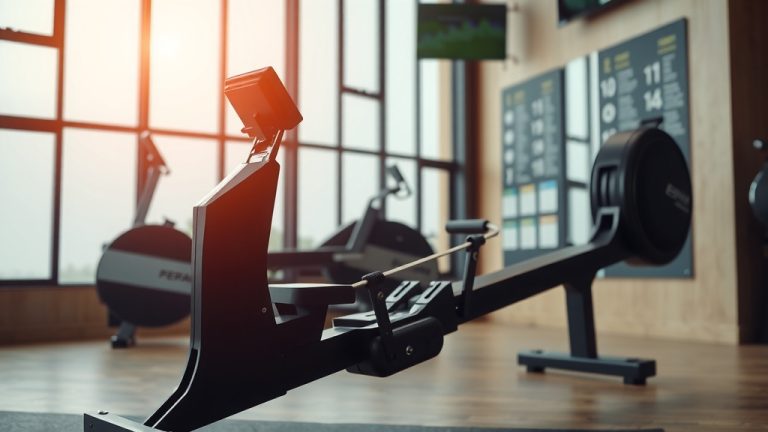
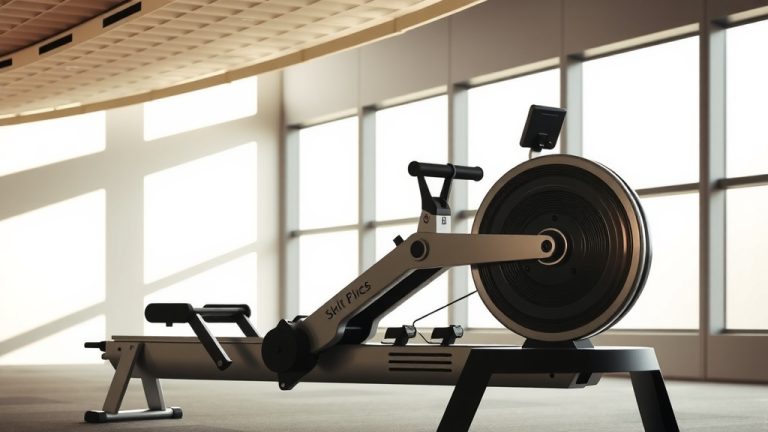
Now, let’s talk about the rowing machine, often called an ergometer or “erg.” It might look a little intimidating at first, but don’t let that fool you! Rowing offers a truly incredible workout that many people overlook.
Rowing Machine Benefits: Low-Impact, High-Intensity
A rowing machine provides a fantastic full-body workout. It engages about 85% of your muscles across your legs, core, and upper body in one fluid motion (American Fitness Professionals & Associates). It’s also remarkably low-impact, making it gentler on your joints compared to running. This means you can get an intense cardio session without the pounding.
Who Finds Rowing Ideal?
Do you want to strengthen your back and core while getting your heart rate up? Are you looking for a workout that builds strength and endurance simultaneously? Then rowing could be perfect for you! Many experts say it’s a great option for those seeking a comprehensive, joint-friendly exercise.
Rowing Machine Challenges
Rowing does have a learning curve. Getting the proper technique is crucial to avoid injury and maximize efficiency. It involves coordinating your legs, core, and arms correctly. You might feel awkward at first, but a few sessions usually help you get the hang of it.
Cardio Showdown: Treadmill vs. Rower
So, how do these two fitness titans stack up against each other when we compare them directly?
Calorie Burn Comparison
When it comes to burning calories, both machines can be highly effective. The key factor is intensity. A high-intensity treadmill sprint will burn more calories than a leisurely row, and vice-versa. However, because rowing uses more muscle groups, many people find they can achieve a higher calorie burn with less perceived effort on a rower compared to a treadmill workout of similar duration (Harvard Health Publishing).
Muscle Engagement Differences
This is where the machines truly diverge. A treadmill primarily focuses on your lower body. A rowing machine, however, recruits a wide range of muscles across your entire body. We found this is a major selling point for rowers.
Here’s a quick look at muscle engagement:
| Muscle Group | Treadmill | Rowing Machine |
|---|---|---|
| Legs (Quads, Hamstrings, Glutes) | Primary | Primary |
| Core (Abs, Lower Back) | Secondary | Primary |
| Upper Body (Back, Shoulders, Arms) | Minimal | Primary |
Impact on Joints
If you’re worried about your joints, this is a big one. Running on a treadmill, even with cushioned decks, is weight-bearing and can create significant impact. Rowing is a non-impact exercise, meaning your feet stay strapped in, and your joints aren’t absorbing repetitive shocks. This makes it a safer long-term option for many, especially as we get older (Mayo Clinic).
Skill and Learning Curve
Walking or running on a treadmill requires little to no instruction. You hop on, press start, and go. Rowing, however, needs proper form to be effective and prevent injury. It’s like learning to ride a bike; it takes a few tries, but once you master it, it feels natural. There are plenty of online videos to help you learn the basic stroke quickly.
Making Your Personal Best Cardio Choice
So, which one should you choose? It really comes down to what you want from your workout and what suits your body best. Think of it like choosing a favorite flavor of ice cream – there’s no wrong answer, just a preference!
Consider Your Fitness Goals
Are you trying to improve your running speed or distance? The treadmill is your ally. Do you want a workout that builds strength across your entire body and improves cardiovascular health? A rower will be more beneficial. We found that setting clear goals helps guide your decision.
Listen to Your Body
Pay attention to what your body tells you. If your joints complain after a treadmill run, a rowing machine might be a welcome change. Conversely, if you love the sensation of running and feel energized by it, stick with the treadmill. Consistency is king, so pick what you’ll enjoy doing regularly.
Think About Variety
Why choose just one? Many fitness experts recommend incorporating both into your routine! Using both machines offers a wider range of benefits and keeps your workouts exciting. Switching it up prevents boredom and challenges your muscles in different ways. Here’s a quick checklist to help you decide:
- Are joint health concerns a priority for you?
- Do you prefer an upper body and core workout alongside cardio?
- Is training for running events your main focus?
- Do you want a low-impact, full-body exercise?
- How much time are you willing to spend learning a new movement?
Conclusion
When you stack a treadmill against a rowing machine for cardio, it’s not about one being definitively superior. It’s about finding the best fit for your unique body and fitness journey. The treadmill offers unparalleled running-specific training and ease of use, while the rowing machine provides a powerful, low-impact, full-body workout. Consider your goals, listen to your body, and remember that the most effective machine is truly the one you’ll use consistently and enjoy.
What kind of workout do you get from a treadmill?
A treadmill provides a lower-body focused, high-impact cardiovascular workout, primarily engaging your leg muscles for walking, jogging, or running. It’s excellent for improving leg endurance and cardiovascular fitness specific to locomotion.
How does rowing benefit your core muscles?
Rowing significantly engages your core muscles throughout the entire stroke, from the powerful leg drive to the controlled recovery. It helps build a strong, stable core, which is essential for overall fitness and preventing lower back issues.
Can you build muscle on a rowing machine?
Yes, a rowing machine helps build muscle endurance and strength across many major muscle groups, including your legs (quads, hamstrings, glutes), back, shoulders, arms, and core. While it won’t build bulk like heavy weightlifting, it contributes to lean muscle development and toning.
Is a treadmill or rower better for weight loss?
Both machines are very effective for weight loss as they burn a lot of calories. The “better” one depends on your ability to sustain a high-intensity workout. A rowing machine often offers a higher total body calorie burn due to its full-body muscle engagement, but consistent effort on either will yield results.
Should I use both a treadmill and a rowing machine?
Absolutely! Using both machines in your routine is a fantastic strategy. It offers diverse benefits, challenges different muscle groups, reduces the risk of overuse injuries from repetitive motions, and keeps your workouts fresh and engaging. We found that variety often leads to greater long-term fitness success.