What Is Rowing Machine Good For?
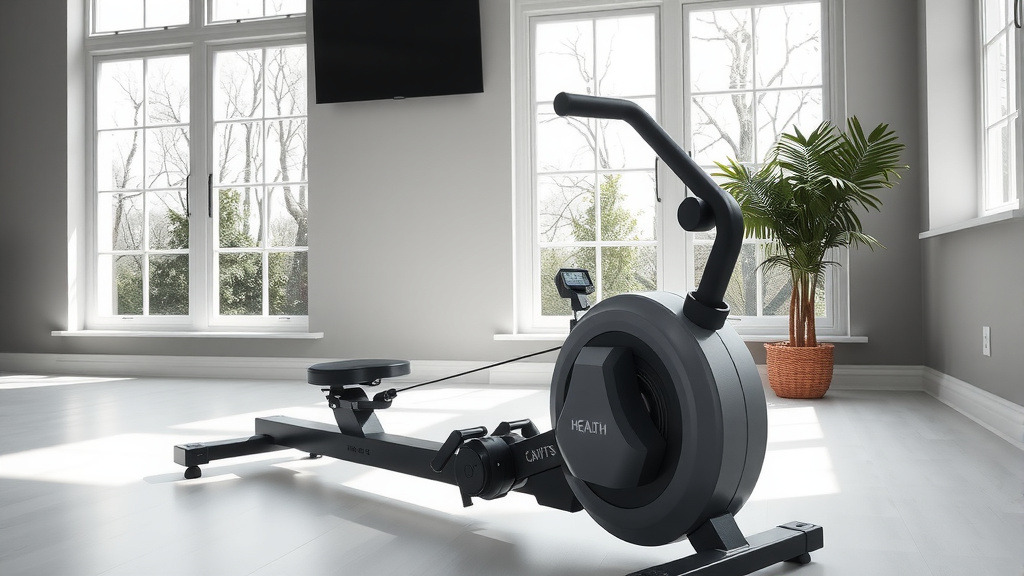
A rowing machine is excellent for a full-body workout, engaging 85% of your muscles to boost cardiovascular health and build strength.
It offers a low-impact, high-intensity exercise, making it perfect for joint-friendly fitness and efficient calorie burning for all fitness levels.
TL;DR: Rowing machines offer amazing benefits for your fitness journey!
- They provide a total body workout, targeting major muscle groups.
- Rowing is gentle on your joints, making it suitable for many people.
- You’ll get a fantastic cardiovascular boost and burn lots of calories.
- It helps build strength and endurance without heavy weights.
- It’s a very time-efficient way to improve overall health.
What Is Rowing Machine Good For?
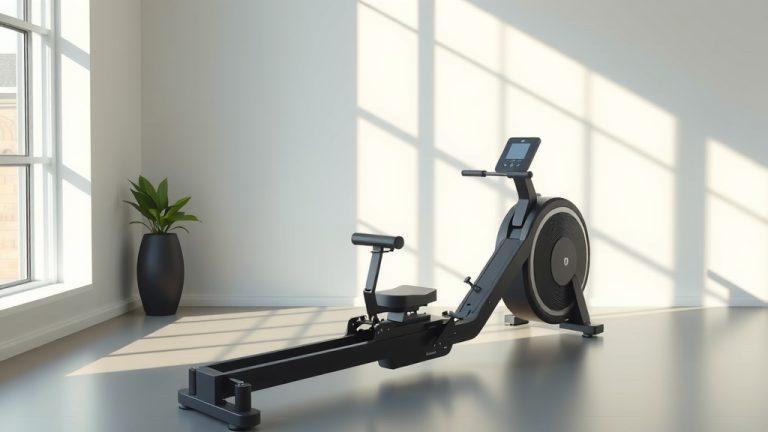
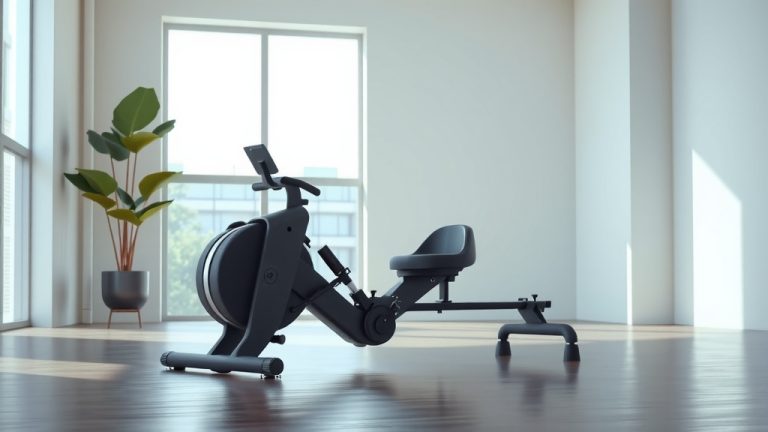
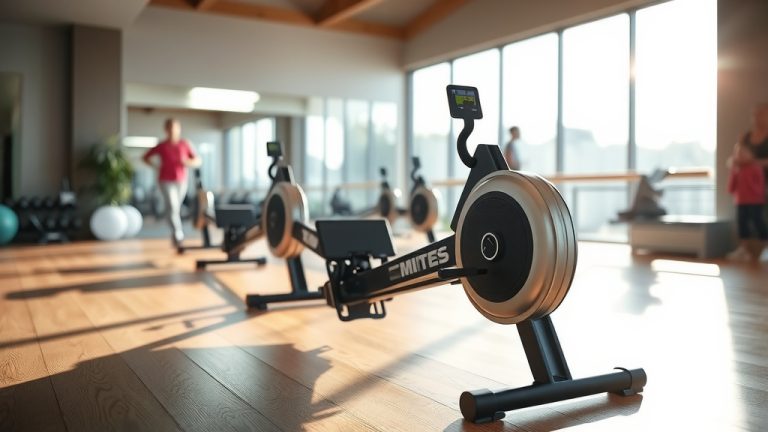
The rowing machine, often called an ergometer, is a fantastic fitness tool. It provides a comprehensive, low-impact workout that strengthens your entire body and improves heart health (American Council on Exercise).
Think of it as a gym in one machine. You can reach diverse fitness goals, whether you are aiming for weight loss, muscle toning, or better stamina.
Engaging Your Entire Body
Ever wonder if one machine can truly work everything? A rowing machine is designed to do just that. It targets about 85% of your body’s muscles with each stroke.
This includes your legs, core, back, shoulders, and arms. You get a workout that’s both powerful and harmonized (NIH).
Upper Body Strength
During the pull phase, you use your biceps, triceps, and shoulders. Your lats and rhomboids in your back also get a major strength boost.
Many experts say this helps improve posture and everyday functional movement. It’s like building a strong foundation for your torso.
Lower Body Power
Your legs initiate the rowing stroke with a powerful push. This action engages your quadriceps, hamstrings, and glutes significantly.
It helps build explosive leg power without the jarring impact of running. This is great for overall athletic performance.
Core Stability and Endurance
A strong core is key to a good rowing stroke. Your abdominal muscles and lower back work to stabilize your body throughout the movement.
This constant engagement helps develop core strength and endurance. A stronger core helps protect your spine and improves balance.
A Fantastic Cardiovascular Workout
Rowing quickly elevates your heart rate. This means you are strengthening your heart and lungs effectively.
Regular sessions can significantly improve your cardiovascular health. It’s an excellent way to boost stamina and energy levels (Mayo Clinic).
Gentle on Your Joints
Unlike high-impact exercises, rowing keeps you seated, reducing stress on your knees and ankles. This makes it ideal if you have joint pain or are recovering from injuries.
You get all the benefits of intense exercise without the harsh impact. Many people find this comfort helps them stay consistent with their workouts.
Efficient Calorie Burning Machine
Are you looking to burn calories and manage your weight? Rowing is incredibly efficient. A 30-minute session can burn a lot of calories, depending on your intensity.
This makes it a superb tool for weight loss and metabolic improvement. We found that its full-body nature truly makes every calorie count.
Mental Clarity and Stress Reduction
Beyond the physical benefits, rowing can be a great mental escape. The rhythmic, repetitive motion can be meditative, helping to clear your mind.
Research often connects regular exercise with reduced stress and improved mood (Psychological Bulletin). It’s a wonderful way to unwind.
Convenient for Home Fitness
Bringing a rowing machine into your home offers incredible flexibility. You can work out anytime, regardless of weather or gym schedules.
Many models are designed to be space-saving and easy to store. This convenience helps you stay consistent with your fitness routine.
Who Benefits Most from Rowing?
Almost anyone can benefit from a rowing machine. It’s adaptable for various fitness levels and goals. Whether you are a beginner or a seasoned athlete, rowing has something for you.
People looking for low-impact options, those with weight loss goals, or individuals aiming for overall fitness find it very useful.
Understanding Rowing Machine Types
Not all rowing machines are created equal. They differ mainly in how they create resistance. Knowing the types helps you choose the best one for you.
We found that each type offers a slightly different feel and sound. Which one suits your workout style?
Here’s a quick look at the main types:
| Type | Resistance Method | Feel | Noise Level |
|---|---|---|---|
| Air | Fan flywheel | Smooth, dynamic | Moderate (whooshing) |
| Water | Water tank with paddles | Natural, quiet | Low (lapping water) |
| Magnetic | Magnets near flywheel | Consistent, adjustable | Very quiet |
| Hydraulic | Hydraulic cylinders | Compact, piston-based | Quiet to moderate |
Mastering Proper Rowing Form
Good form is crucial for effective and safe rowing. It helps prevent injury and maximizes your workout. Remember the catch, drive, finish, and recovery phases.
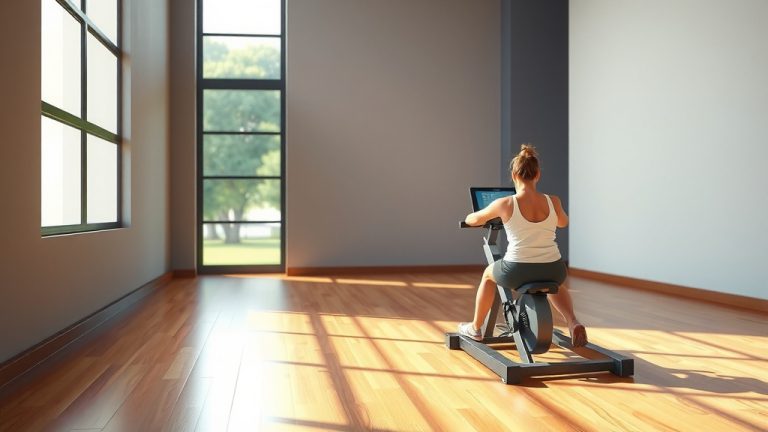
Focus on a powerful leg push, followed by a steady lean back, then the arm pull. This sequence ensures you use your entire body efficiently.
Key Form Checklist:
- Sitting Tall: Keep your back straight, not hunched.
- Legs First: Initiate the stroke with a powerful push from your legs.
- Core Engaged: Keep your abs tight throughout the movement.
- Arms Last: Pull the handle towards your mid-abdomen only after your legs and body have done their work.
- Controlled Recovery: Extend your arms, then lean forward, then bend your knees.
Common Rowing Mistakes to Avoid
It’s easy to fall into bad habits. A common mistake is pulling with your arms too early. This puts strain on your back and reduces leg engagement.
Another is hunching your back or rounding your shoulders. Always try to maintain a strong, upright posture to protect your spine and maximize power.
Integrating Rowing into Your Fitness Routine
How often should you row? Aim for 3-5 sessions per week for best results. Mix up your workouts with varying intensity and durations.
You can do steady-state cardio or challenging interval training. Consistency is your best friend for seeing real, lasting fitness improvements.
Conclusion
A rowing machine is more than just another piece of gym equipment; it’s a versatile and powerful fitness ally. From building full-body strength and boosting cardiovascular health to being gentle on your joints, its benefits are extensive.
Whether you’re aiming for weight management, increased stamina, or simply a convenient home workout, rowing provides a direct path to your goals. Give it a try and feel the difference it makes!
FAQs About Rowing Machines
Is a rowing machine good for weight loss?
Yes, a rowing machine is excellent for weight loss. It burns a high number of calories due to its full-body engagement and the potential for high-intensity workouts, helping you create the calorie deficit needed for fat loss.
Does rowing build muscle?
Absolutely! Rowing works major muscle groups in your legs (quads, hamstrings, glutes), core (abs, lower back), and upper body (back, shoulders, arms). It builds muscular strength and endurance effectively.
Is rowing better than running for exercise?
Neither is “better,” but they offer different benefits. Rowing provides a low-impact, full-body workout, while running is a high-impact, primarily lower-body exercise. If you have joint issues or want a comprehensive muscle workout, rowing might be a better choice for you.
How long should a beginner row on a machine?
For beginners, start with 10-15 minutes per session, 3-4 times a week. Focus on mastering proper form before increasing duration or intensity. Gradually work your way up to 20-30 minute sessions as your fitness improves.
Can rowing improve my posture?
Yes, rowing can significantly improve your posture. It strengthens the muscles in your back, shoulders, and core, which are vital for maintaining an upright and healthy posture. Consistent rowing helps counteract slouching.