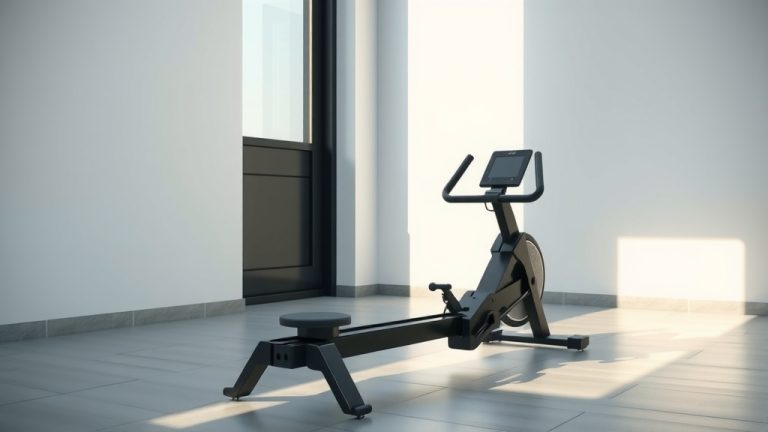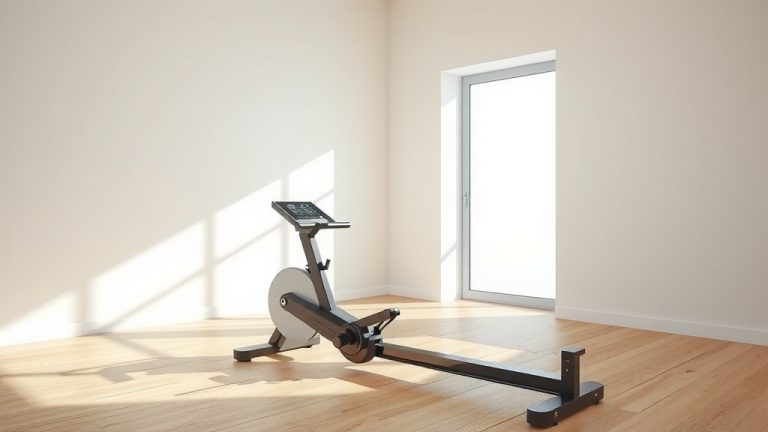
What Makes A Good Rowing Machine?
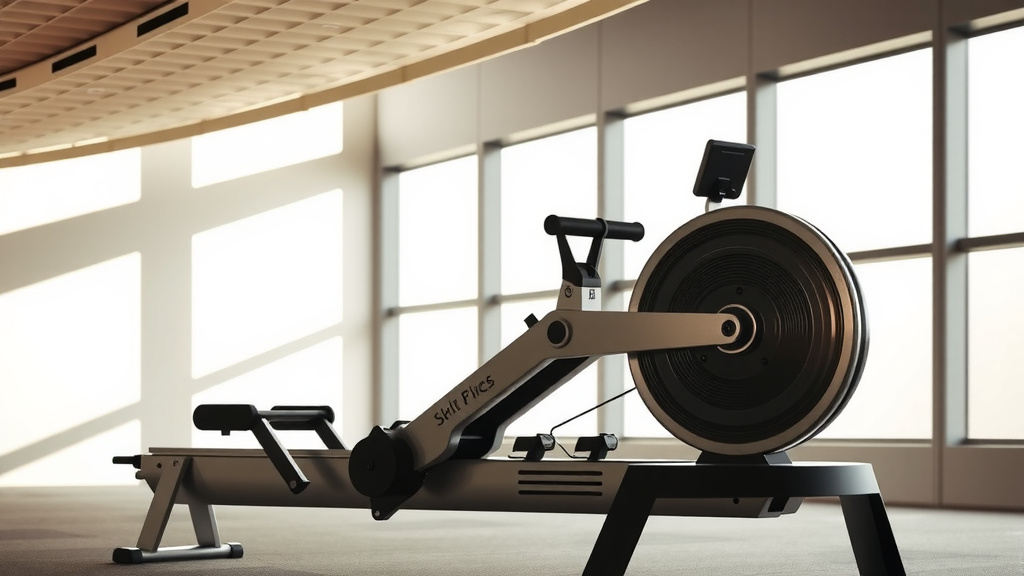
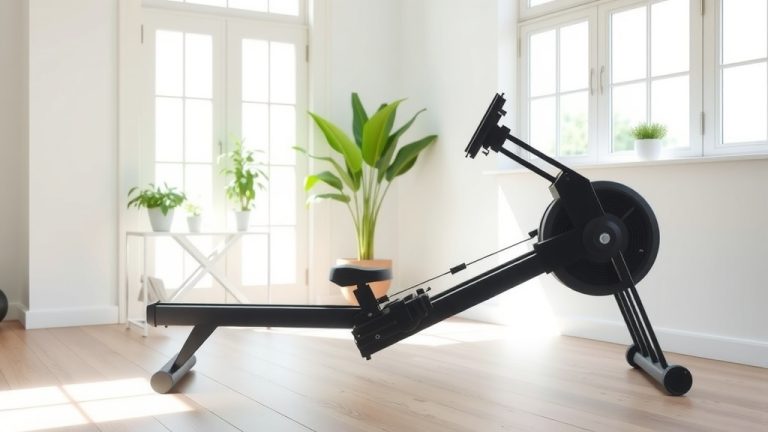
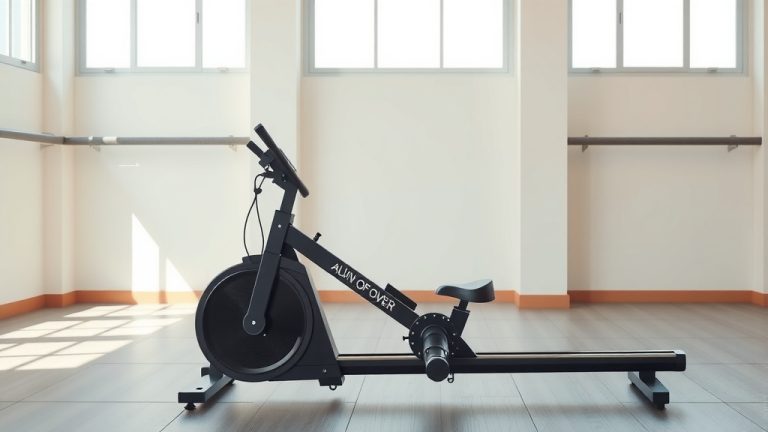
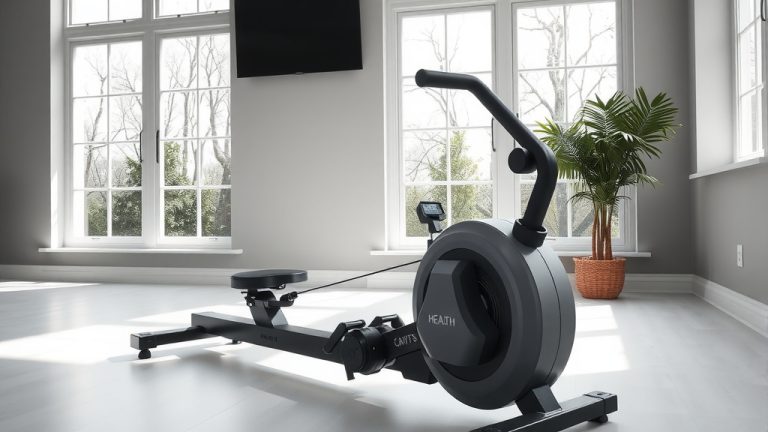
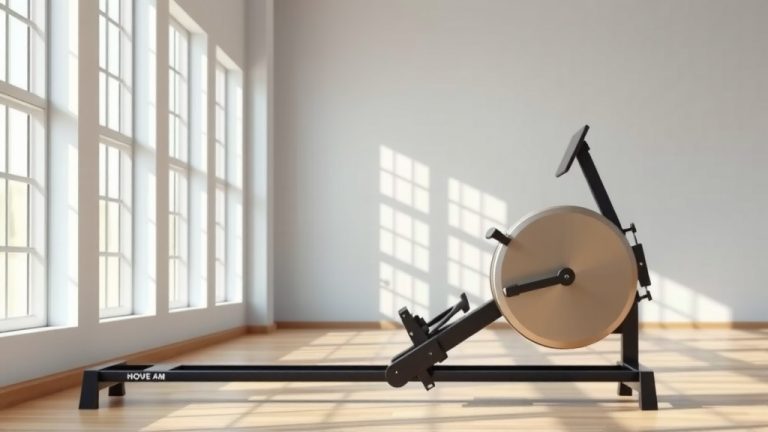
A good rowing machine combines effective resistance, ergonomic comfort, and accurate performance tracking. It offers a smooth, natural feel throughout each stroke, ensuring an engaging full-body workout.
The best rowing machines are built with high-quality, durable materials designed to withstand regular use, providing lasting value for your fitness journey at home.
- A top rowing machine provides the right resistance type for your goals, whether that’s the smooth feel of water, the infinite resistance of air, or the quiet strength of magnetic.
- Look for robust construction, a comfortable seat, and easy-to-adjust footrests to ensure a pleasant and injury-free workout experience.
- An intuitive performance monitor helps you track progress effectively, making your fitness journey more rewarding.
- Consider how much space you have; a good rower often offers easy storage options like folding or standing upright.
- Ultimately, a great machine fits your budget while delivering on durability, comfort, and a satisfying workout.
What Makes A Good Rowing Machine?
A good rowing machine creates a genuine, full-body workout experience through thoughtful design and sturdy construction. It should feel intuitive and comfortable from your very first stroke.
Many experts emphasize that the ideal machine supports your fitness goals, budget, and available space (Mayo Clinic).
Understanding Resistance Types
The heart of any rowing machine is its resistance system. This determines the feel of your stroke and the noise level during your workout.
We found that different types suit various preferences and training styles.
Air Resistance Rowers
These machines use a flywheel that spins against air. The harder you pull, the more resistance you feel, mimicking the feel of rowing on water.
They offer an excellent full-body workout and are a favorite in many gyms, though they can be a bit noisy.
Water Resistance Rowers
Water rowers feature a tank with paddles that move through water. This gives an incredibly smooth, natural, and immersive rowing sensation.
The sound of the water swishing provides a pleasant, calming rhythm, making your workout feel more authentic.
Magnetic Resistance Rowers
Magnetic rowers use magnets passing a flywheel to create resistance. You often adjust the intensity with a dial or electronically.
They are typically the quietest option, making them great for apartments or shared living spaces where noise is a concern.
Hydraulic Piston Rowers
These compact machines use hydraulic cylinders for resistance. They are usually the most affordable and take up the least space.
However, they might not offer the same smooth, full-body stroke as other types, and resistance can sometimes feel less consistent.
The Importance of Build Quality
You want a machine that feels solid and stable, not wobbly. A rowing machine is an investment in your health, so it should last.
Many users report better long-term satisfaction with machines built from durable materials like steel or high-grade aluminum.
Frame Durability and Stability
A strong frame prevents excessive movement during your workout. This ensures your safety and allows you to focus on proper form.
Research often connects robust construction with a reduced risk of injury during vigorous exercise (NIH).
Seat and Handlebar Comfort
A good seat should be padded but firm, supporting you for longer sessions. Does it glide smoothly?
The handlebar should feel natural in your grip, not too wide or too narrow, preventing hand fatigue.
Ergonomics and Your Body
Good ergonomics means the machine moves with your body, not against it. This helps you maintain correct posture and maximize workout effectiveness.
We found that poor ergonomics can lead to discomfort or even injury over time.
Footrests and Straps
Adjustable footrests are a must to accommodate different shoe sizes. Secure straps keep your feet firmly in place.
They should allow for a slight pivot, letting your ankles move naturally during the drive phase.
Monitor and Metrics You Need
An intuitive display helps you track your progress and stay motivated. What metrics really matter?
Look for readouts like stroke rate, distance, time, calories burned, and even watt output for power (American Council on Exercise).
Space, Storage, and Noise
Think about where your rower will live. Do you have a dedicated workout space, or will it need to be put away?
Many models now offer a foldable design or can stand upright for easy storage, saving valuable floor space.
Value for Your Investment
The most expensive rower isn’t always the “best” for you. Consider your budget alongside your fitness goals and how often you’ll use it.
A mid-range model often provides an excellent balance of quality, features, and durability without breaking the bank.
Warranty and Customer Support
A strong warranty shows confidence from the manufacturer in their product. What happens if something goes wrong?
Look for a warranty that covers both the frame and parts for a reasonable period, often a few years for parts and more for the frame.
Connectivity and Training Apps
Some modern rowing machines offer Bluetooth connectivity to sync with fitness apps. This can add a layer of engagement, tracking, and even virtual training.
Are you someone who enjoys guided workouts or competing on leaderboards? This feature might be a game-changer for you.
Smoothness of the Stroke
Imagine rowing on a real body of water – the motion is fluid and continuous. Your rowing machine should mimic this.
A good machine provides a consistent, catch-to-finish stroke, without any jarring or dead spots.
What to Look For: Your Quick Checklist
- Choose a resistance type that matches your preference and noise tolerance.
- Prioritize a stable, durable frame and comfortable ergonomics.
- Ensure the monitor tracks essential metrics like distance and stroke rate.
- Check for easy storage options if space is limited.
- Verify the warranty and customer support options.
Comparing Common Resistance Types
Here’s a quick look to help you weigh your options for a good rowing machine:
| Feature | Air Rower | Water Rower | Magnetic Rower |
|---|---|---|---|
| Feel | Dynamic, “on-the-water” | Smooth, natural, immersive | Consistent, controlled |
| Noise | Moderate (whoosh sound) | Low (gentle slosh) | Very low, quiet |
| Resistance | User-determined | User-determined | Adjustable levels |
| Price Range | Mid to high | Mid to high | Low to mid |
| Maintenance | Occasional cleaning | Water treatment needed | Minimal |
Conclusion
Finding a good rowing machine means finding the right fit for you. Consider the resistance type that appeals most, whether it’s the dynamic feel of air, the natural flow of water, or the quiet consistency of magnetic systems.
Always prioritize build quality, comfort, and a clear performance monitor. Think about your space, your budget, and how important a strong warranty is to your peace of mind.
By keeping these factors in mind, you’ll select a machine that not only meets your fitness needs but also makes your workouts something you genuinely enjoy.
What is the quietest type of rowing machine?
Magnetic resistance rowing machines are generally the quietest option available. They use magnets to create resistance, which means no direct friction and minimal noise during your workout, making them perfect for quiet home environments.
How much space do I need for a rowing machine?
Most rowing machines require about 7-9 feet in length and 2-3 feet in width during use. If space is tight, look for models that fold or can be stored upright, which significantly reduces their footprint when not in use.
Are expensive rowing machines always better?
Not always. While higher-priced rowers often offer more features, superior build quality, and smoother performance, a mid-range model can still provide excellent value and a highly effective workout. The “best” machine depends on your specific needs and budget.
How important is the monitor on a rowing machine?
The monitor is quite important as it provides real-time feedback on your performance, helping you track progress and stay motivated. Essential metrics include distance, time, stroke rate, and calories burned, allowing you to measure your efforts effectively.
Can a rowing machine provide a full-body workout?
Yes, absolutely! Rowing is renowned for being one of the most effective full-body workouts. It engages about 85% of your body’s muscles, including your legs, core, back, and arms, offering both cardiovascular benefits and strength training.