What Muscles Does A Rowing Machine Work Out?
A rowing machine provides a fantastic full-body workout, engaging about 86% of your muscles in a single stroke. You’ll primarily work your legs, core, and upper body, making it incredibly efficient for strength and cardio.
This dynamic exercise strengthens major muscle groups like your quads, hamstrings, glutes, core stabilizers, and the powerful muscles in your back and arms. It offers a low-impact way to improve both cardiovascular health and overall muscular endurance.
Here’s a quick overview of what you’ll discover in this article:
- Rowing is a true full-body workout, hitting nearly every major muscle.
- The stroke breaks down into distinct phases, each working different muscle groups.
- You’ll strengthen your legs, core, back, and arms, building balanced fitness.
- It’s a low-impact exercise that boosts your heart health and calorie burn.
- Proper form is key to maximizing benefits and avoiding injury, so pay attention.
What Muscles Does A Rowing Machine Work Out?
A rowing machine is a powerful tool for developing total body strength and endurance. You will activate over 85% of your body’s muscles with each stroke you take.
The Powerhouse: Your Legs
Your legs initiate the rowing stroke, providing most of the power. We found that approximately 60% of the work comes from your lower body (American Council on Exercise).
Quads and Hamstrings
As you push off the foot stretcher, your quadriceps (front of your thighs) extend your knees. Your hamstrings (back of your thighs) also work hard, especially as you draw your legs in during recovery.
Glutes
Your gluteal muscles (glutes) are crucial for hip extension and driving your body backward. They are the engine room of your drive, helping you push away from the catch.
Calves
Your calf muscles engage as you extend your ankles during the powerful drive phase. They help transmit power through your feet into the footplate.
The Stabilizer: Your Core
A strong core is not just for aesthetics; it connects your upper and lower body. Your core stabilizes your spine and helps transfer power effectively.
Abdominals
Your rectus abdominis and obliques activate to stabilize your torso throughout the entire stroke. They prevent your lower back from rounding during the catch and help you maintain posture.
Erector Spinae
These muscles along your spine work to keep your back straight and strong. They prevent slouching, especially during the powerful finish phase of the stroke.
The Pullers: Your Back and Arms
While your legs initiate the power, your back and arms finish the stroke. They are essential for pulling the handle towards your body.
Lats and Rhomboids
Your latissimus dorsi (lats) are the broad muscles of your upper back. They pull the handle powerfully towards your body, working alongside your rhomboids between your shoulder blades.
Trapezius
The trapezius muscles in your upper back and neck help to stabilize your shoulders. They assist in drawing your shoulders back at the end of the stroke.
Biceps and Forearms
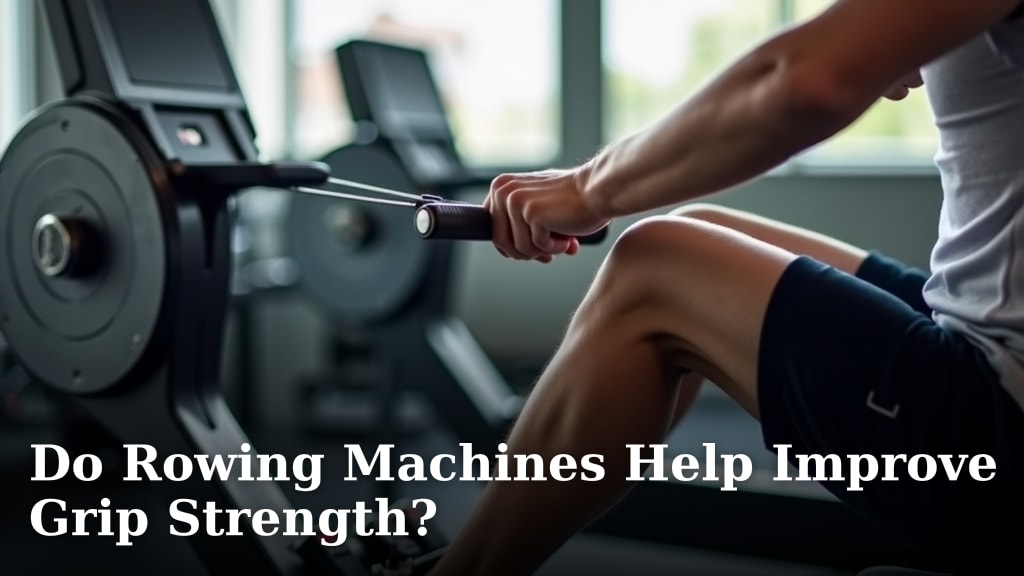
Your biceps bend your elbows to pull the handle towards your chest. Your forearms engage to maintain a firm grip on the handle throughout the stroke.
Triceps
While not primary movers in the pull, your triceps extend your arms during the recovery phase. They push the handle away from your body with control.
Shoulders and Chest
Your deltoids (shoulders) assist in controlling the arm and upper body movement. Your pectorals (chest) also activate subtly, helping stabilize your torso and shoulders.
Understanding the Rowing Stroke Phases
Thinking about the stroke in phases helps understand muscle engagement. It’s a rhythmic, fluid movement.
| Stroke Phase | Primary Muscles Engaged |
|---|---|
| The Catch | Core, Hamstrings, Calves (ready for action) |
| The Drive | Quads, Glutes, Hamstrings, Calves, Core, Lats, Rhomboids, Biceps |
| The Finish | Glutes, Hamstrings, Lats, Rhomboids, Biceps, Core, Erector Spinae |
| The Recovery | Triceps, Core, Hamstrings, Calves (controlled return) |
Beyond Muscles: Other Benefits You’ll Love
Rowing is more than just muscle building; it’s a holistic fitness activity. You get a lot of bang for your buck with each workout.
- Cardiovascular Health: It elevates your heart rate, strengthening your heart and lungs. Many experts say this is key for overall wellness (Mayo Clinic).
- Low-Impact Workout: Gentle on your joints, unlike running. This makes it suitable for all fitness levels and ages.
- Calorie Burning: A highly efficient way to burn calories. You can achieve significant energy expenditure in a short time.
- Improved Posture: Strengthening your back and core muscles helps you stand taller. This can reduce back pain and stiffness.
- Stress Reduction: The rhythmic motion can be meditative. It provides a great outlet for daily stress and tension.
Mastering Your Rowing Form
To get the most out of your rowing machine, proper form is non-negotiable. It helps you engage the correct muscles and prevents injury.
Here’s a quick checklist for great form:
- Sit tall with a neutral spine.
- Push with legs first, then lean back slightly, then pull with arms.
- Reverse for recovery: arms away, lean forward, then bend knees.
- Maintain a strong core throughout the entire stroke.
- Keep your shoulders relaxed and away from your ears.
- Hold the handle lightly to avoid forearm fatigue.
Remember the “legs, core, arms; arms, core, legs” mantra. This sequence helps you remember the proper order of operations for a fluid stroke.
Common Mistakes to Avoid
Are you feeling more strain in your arms than your legs? You might be using too much arm power. Research often connects poor technique with overuse injuries (NIH).
Avoid pulling with your arms before driving with your legs. Also, don’t round your back. Think of your body as a pendulum, swinging from your hips.
Conclusion
The rowing machine truly offers a comprehensive workout, engaging a vast network of muscles from your powerful legs to your strong back and arms, all supported by an engaged core. It’s an effective way to boost both your strength and cardiovascular health in a single, low-impact exercise.
By understanding which muscles are at play and focusing on correct form, you can maximize your results. So, next time you sit down, remember you’re not just moving a handle; you’re orchestrating a symphony of muscle engagement that builds a fitter, stronger you. Keep those strokes powerful and intentional!
What is the best way to activate more core muscles on a rowing machine?
To activate more core muscles, focus on maintaining a strong, stable torso throughout the stroke. Avoid slouching at the catch and leaning back too far at the finish. Engage your abdominal muscles by imagining you are bracing for a gentle punch. This conscious engagement improves power transfer and protects your back.
Can a rowing machine help me lose weight?
Yes, a rowing machine can be an excellent tool for weight loss. It’s a high-calorie-burning exercise that works many muscles simultaneously. Consistent rowing workouts, combined with a balanced diet, can help you create the calorie deficit needed for effective weight management.
Is rowing a good workout for beginners?
Absolutely! Rowing is very beginner-friendly because it’s low-impact and easily adaptable. You can control the intensity. Start with shorter sessions at a moderate pace to learn the form, then gradually increase duration and intensity as your fitness improves.
How often should I use a rowing machine for best results?
For general fitness and muscle toning, aim for 3-5 sessions per week, each lasting 20-45 minutes. Listen to your body and include rest days. Consistency is more important than extreme, infrequent workouts for long-term progress.
Does rowing build muscle bulk or tone muscles?
Rowing primarily builds muscular endurance and tones muscles rather than creating significant bulk. While it strengthens all major muscle groups, it generally leads to a lean, strong physique. Think of it as building functional strength and definition, not bodybuilding mass.