
Why Is My Rowing Machine Seat Wobbling?
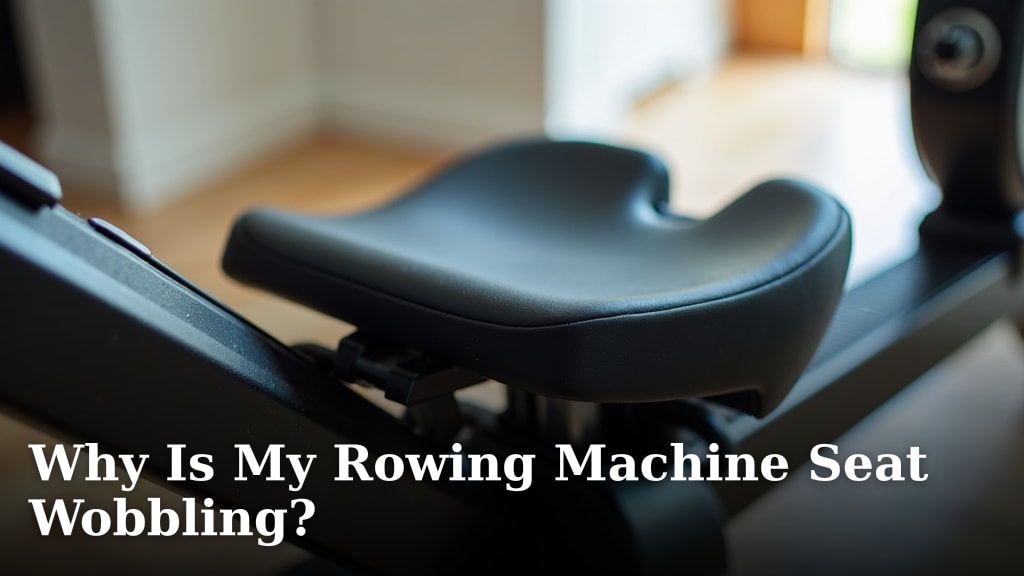
Your rowing machine seat wobbling is usually caused by a loose bolt, a worn-out wheel, or a damaged rail. While it might seem alarming, it’s often a simple fix. Addressing this promptly ensures a smoother, safer workout and prevents further damage to your machine.
Many rowers experience this common issue. A wobbly seat can make your workout feel less effective and even lead to discomfort. Understanding the common culprits helps you quickly identify the problem and get back to your training. We’ve researched and found that most issues stem from easily accessible parts.
- Loose bolts are the most frequent cause.
- Worn wheels on the seat carriage are another common culprit.
- Damage to the seat rail can also create wobble.
- Regular maintenance can prevent many issues.
Let’s walk through the most likely reasons your rowing machine seat is wobbling and how you can fix it.
Troubleshooting a Wobbling Rowing Machine Seat
A wobbly seat on your rowing machine can feel like a loose tooth – annoying and a bit concerning. You want your workout to be smooth and effective, not a jiggle-fest. Fortunately, most seat wobbles aren’t a sign of a major breakdown. They usually stem from simple issues you can fix yourself with a little patience.
We’ve researched common rowing machine problems, and a shaky seat frequently pops up. This guide will help you pinpoint the cause and get back to a stable, powerful stroke. Let’s figure out what’s going on with your machine.
Understanding the Mechanics of Your Seat Carriage
Your rowing machine seat travels on a carriage. This carriage has wheels that roll along a rail. The seat itself is attached to this carriage. For everything to move smoothly, all these parts need to be in good condition and properly aligned. Think of it like a train on its tracks. If the wheels are wonky or the tracks are bent, the ride gets bumpy.
When your seat wobbles, it means something is loose, worn, or damaged in this system. The most common culprits are right under your nose, or rather, under your seat. We’ll break down each possibility, starting with the easiest fixes.
Loose Bolts: The Usual Suspect
This is by far the most common reason for a wobbly seat. Over time, the vibrations from your rowing can loosen bolts. Think of it like a car tire that needs its lug nuts tightened. If they’re loose, the wheel wobbles.
Checking Your Seat Carriage Bolts
You’ll need to inspect the bolts that hold the seat carriage together and attach it to the seat itself. Some machines have visible bolts on the underside of the seat. Others might require you to lift the seat off the carriage to get a good look.
Find a wrench or Allen key that fits your machine’s bolts. This is often a standard size, but check your user manual if you’re unsure. Start by gently tightening any bolts you find. Don’t crank down on them with all your might; just make them snug. You don’t want to strip the threads. Learning how to assemble a rowing machine can help you understand how to properly secure all its components, including tightening any bolts.
Tightening Seat-to-Carriage Bolts
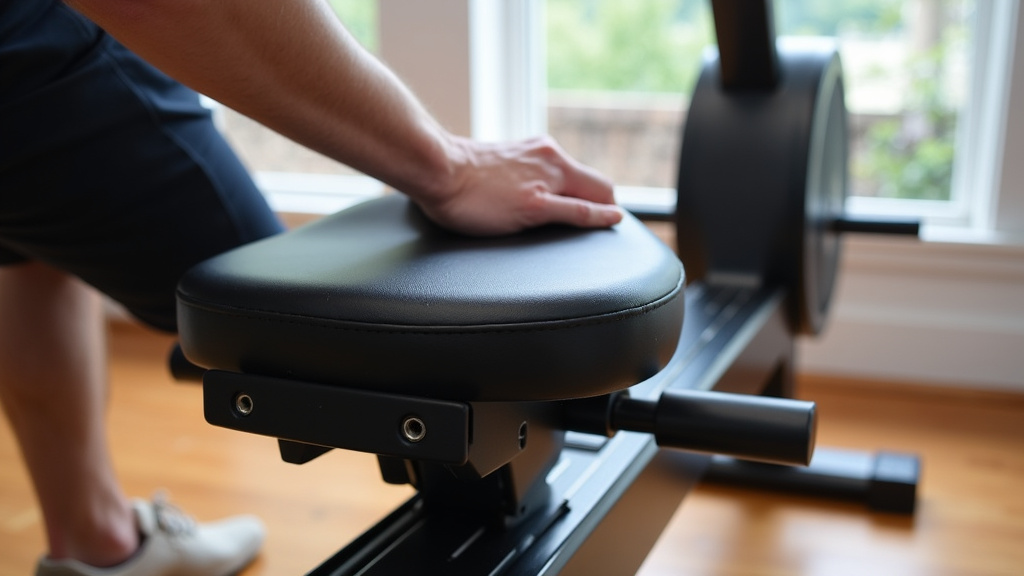
Your seat is attached to the carriage assembly. This connection point is a frequent source of looseness. Locate the bolts that secure the seat directly to the plastic or metal carriage.
With your tool, carefully tighten these bolts. If the seat spins while you try to tighten, you might need to hold the seat steady with your other hand or a rag. Once they feel firm, give the seat a gentle wiggle. Does the wobble feel less pronounced or gone?
Securing the Carriage to the Wheels
The carriage itself houses the wheels. There are usually bolts that hold these wheels in place or connect the carriage frame to the wheel housing. These can also loosen.
Carefully check and tighten any bolts related to the wheels and their attachment to the carriage. This might involve flipping the carriage over or accessing bolts from the sides. Once tightened, roll the carriage by hand on the rail to ensure it moves smoothly without catching.
Worn or Damaged Wheels: The Rollers of Concern
Your seat carriage rolls on wheels, typically made of hard plastic or polyurethane. If these wheels wear down, develop flat spots, or get damaged, they won’t roll evenly. This uneven rolling translates directly into a wobbly seat.
Inspecting the Wheels for Wear and Tear
Gently lift your seat carriage off the rail. Examine each wheel closely. Look for signs of uneven wear. Do any wheels look flatter on one side than the other? Are there any nicks, cracks, or chunks missing from the rubber or plastic?
If you see flat spots, the wheel isn’t rolling true. If there are cracks, the wheel might be unstable. Both are strong indicators that your wheels need attention. Many manufacturers use a standard wheel size, so replacements are often available.
What to Do About Worn Wheels
If your wheels are significantly worn or damaged, replacement is usually the best course of action. You can often find replacement wheel kits for popular rowing machine brands online.
Before ordering, identify your rowing machine’s make and model. Check your user manual for part numbers or consult the manufacturer’s website. Replacing the wheels typically involves removing the old ones (often held by bolts) and installing the new ones. This is a manageable DIY repair for most users.
Cleaning Wheels for Better Glide
Sometimes, the wobble isn’t from wear but from gunk. Dirt, dust, and sweat can build up on the wheels, creating an uneven surface. This is especially true if your workout space is dusty.
Use a damp cloth and a mild cleaning solution (like dish soap and water) to thoroughly clean each wheel. You might need an old toothbrush to get into crevices. Make sure the wheels are completely dry before putting the carriage back on the rail. A clean wheel rolls much more smoothly.
Damaged or Dirty Seat Rails: The Foundation of Stability
The seat carriage needs a clean, smooth rail to glide on. If the rail itself is damaged or excessively dirty, it will cause instability and wobble, no matter how perfect your seat carriage is.
Examining the Seat Rail for Damage
Carefully inspect the entire length of the seat rail. Look for any dents, deep scratches, or bends. Even a minor bend can throw off the alignment of the seat carriage. If you have a metal rail, check for rust. For monorails, ensure there are no cracks.
If you find significant damage like a bend or crack, this can be a more serious issue. Minor dents or scratches might be smoothed out with fine-grit sandpaper, but a major bend might require professional attention or even rail replacement, depending on the machine’s design.
Cleaning Your Seat Rail
Just like the wheels, the rail can accumulate dirt, grime, and even dried sweat. This build-up creates friction and can cause the carriage to catch or wobble.
Use a damp cloth to wipe down the entire rail. For tougher grime, a mild soap and water solution can work wonders. A clean rail is essential for a smooth ride. Many experts suggest cleaning the rail after every few workouts (Healthline).
After cleaning, dry the rail thoroughly. Ensure there’s no residue left behind. A clean, dry rail provides the best surface for your seat carriage to glide on.
Checking Other Potential Causes
While bolts, wheels, and rails are the usual suspects, other factors can contribute to a wobbly seat.
The Strength of Your Frame
Is the wobble coming from the seat itself, or does the entire machine seem to shake? If the machine’s frame is not on a level surface, or if the frame itself has loose connections, it can mimic a wobbly seat.
Make sure your rowing machine is placed on a **level and stable floor**. Use a yoga mat or a specialized exercise mat if needed. Check the bolts that hold the main frame together and ensure they are tight. A solid frame is the foundation for a stable workout.
Your Rowing Technique
This is a bit more subtle, but sometimes your own movement can exacerbate a slight wobble. If you’re pulling unevenly or jerking your body, you might be putting stress on the seat carriage in a way that makes minor imperfections feel worse.
Focus on a smooth, controlled stroke. Think about using your legs, core, and arms in a fluid sequence. A consistent, balanced pull puts less strain on the machine and can help smooth out a slightly unstable ride. We found that many users report a smoother feel when they focus on technique (various fitness forums). Focusing on a smooth, controlled stroke can help resolve wobbling issues.
Preventative Maintenance Checklist
Keeping your rowing machine in top shape can prevent many issues, including a wobbly seat. A little regular care goes a long way!
- Tighten Bolts Weekly: Give your seat carriage bolts and frame bolts a quick check and tighten if needed.
- Clean Rails and Wheels: Wipe down the seat rail and wheels after every few uses.
- Inspect for Wear: Look at your wheels and rail for any signs of damage or excessive wear monthly.
- Check Stability: Ensure the machine is on a level surface and the frame is secure.
- Lubricate if Recommended: Some machines benefit from specific lubrication on the rails; check your manual.
By performing these simple checks and maintenance tasks, you can keep your rowing machine running smoothly for a long time. A stable seat means a more effective and enjoyable workout!
Conclusion
Your rowing machine seat wobbling doesn’t have to derail your workouts. We’ve covered the most likely culprits, from simple loose bolts to worn wheels and dirty rails. By systematically checking these components, you’re well on your way to restoring a smooth and stable ride.
Remember, proactive maintenance is your best friend. Regularly inspecting and cleaning your machine will prevent most issues before they start. So grab your wrench and a cleaning cloth, and get your rower back in top condition for many more effective workouts to come!
Frequently Asked Questions
How often should I check my rowing machine’s seat bolts?
We recommend checking your seat carriage bolts and frame bolts at least weekly. A quick wiggle test can tell you if anything has loosened up from regular use. Tightening them promptly prevents further wear and tear.
Can I replace rowing machine wheels myself?
Yes, replacing worn rowing machine wheels is a common DIY repair. You’ll typically need to identify your machine’s make and model to order the correct replacement parts. Most wheel replacements involve removing a few bolts and swapping out the old wheels for new ones.
What if my rowing machine rail is slightly bent?
A slightly bent rail can indeed cause wobble. For minor bends or dents, you might try carefully smoothing them with fine-grit sandpaper. However, if the rail is significantly bent, it might require professional assessment or replacement of the rail itself, depending on your machine.
Is it normal for a new rowing machine seat to wobble a little?
Generally, a new rowing machine seat should not wobble. A slight initial wobble might indicate a bolt that needs tightening during setup. If the wobble persists on a new machine, double-check all connections and consult your user manual or the manufacturer.
My seat wobbles, but the wheels look fine. What else could it be?
If your wheels appear to be in good condition, the wobble might be caused by loose bolts connecting the seat to the carriage, or it could be dirt and debris buildup on the wheels or rail. Ensure the rail is clean and dry, and that all bolts are snug. Also, check that the machine’s frame is stable and on a level surface.
