
Why Won’t My Rowing Machine Fold Flat?
Your rowing machine won’t fold flat because of a misaligned locking mechanism or a part that’s become loose. This common issue usually happens after some use. Often, it’s a simple fix you can do yourself without much trouble. Don’t worry, your rower isn’t permanently stuck.
Understanding how your rower’s folding feature works can prevent future problems. Most machines have a specific latch or pin system. If this system isn’t engaged correctly, the frame will not secure in its folded position. We found that regular checks can save you a lot of frustration.
- Check the main locking pin or lever.
- Ensure it’s fully inserted or engaged.
- Look for any obstructions in the folding joints.
- A loose bolt or screw can also cause this.
Let’s walk through the common reasons why your rowing machine might be resisting folding and how to fix it.
So, you’re trying to stash your rowing machine away, and it’s just not cooperating? It’s like trying to fold a stubborn deck chair. You push, you pull, you wiggle, and… nothing. It’s a common pickle, and thankfully, usually a simple one to solve. Let’s figure out what’s keeping your rower from tucking away neatly. If you’re looking for a rower that tucks away neatly, our guide to the best foldable rowing machine for small apartments can help.
Troubleshooting Your Rowers Folding Mechanism
When your rowing machine won’t fold flat, it’s usually because a key part isn’t aligned or has come loose. Think of it like a puzzle piece that’s just slightly off. You can’t force it into place, and it won’t lock down. We’ve found that most issues stem from the locking system.
The Main Locking Pin or Lever: Your First Stop
Most foldable rowers have a primary locking pin or lever. This is the gatekeeper to your machine’s folded state. If it’s not fully engaged, the frame simply won’t lock. You might have accidentally bumped it, or it might not have seated correctly the last time you folded it.
Checking the Pin’s Position
First, visually inspect the pin. Is it sticking out? Is it partially retracted? It needs to be pushed in all the way. Sometimes, you can even hear a satisfying ‘click’ when it’s properly in place. If you don’t hear or feel that click, it’s probably not fully locked. Try wiggling the frame slightly while you push the pin. This little bit of movement can help it settle into its correct spot.
Inspecting the Lever Mechanism
If your rower uses a lever instead of a pin, make sure the lever is moved to its absolute end position. Don’t just assume it’s locked. Give it a gentle tug to be sure. Sometimes, debris can get caught in the lever’s housing, preventing it from moving fully. A quick wipe down with a cloth might do the trick.
Obstructions and Debris: The Unseen Culprits
Even small bits of dust, sweat, or dried lubricant can interfere with delicate moving parts. These little inconveniences can prevent the locking mechanism from seating properly. It’s like having a tiny pebble in your shoe – annoying and disruptive.
Where to Look for Blockages
Pay close attention to the folding joints where the main frame pieces connect. Are there any visible particles? Also, check the area around the locking pin or lever. Sometimes, dried sweat can create a sticky residue. A damp cloth is usually enough to clean these spots.
Cleaning Tips for Smooth Operation
For stubborn grime, a mild soap and water solution can help. Just be sure to dry the area thoroughly afterward. You don’t want moisture lingering in mechanical parts. For metal-on-metal contact points, a tiny bit of lubricant (like silicone spray, as often recommended by manufacturers) can help keep things moving smoothly. Always check your owner’s manual before applying any lubricants.
Loose Parts and Structural Issues
Sometimes, the problem isn’t with the locking mechanism itself, but with the parts that hold the frame together. If a bolt loosens over time, the entire frame might sag slightly. This misalignment can throw off the folding mechanism.
The Role of Bolts and Screws
Rowing machines have many bolts and screws holding them together. The constant motion and stress of workouts can cause them to loosen. This is especially true for bolts near the folding joints. They’re subjected to the most movement.
Identifying Loose Fasteners
Grab a wrench or screwdriver (whichever your rower uses) and gently check the tightness of accessible bolts and screws, particularly around the main frame hinge. Don’t overtighten, as this can damage the parts. Just ensure they are snug and secure. A loose fastener is a frequent cause for hinges and folding joints not lining up.
Frame Misalignment: A Deeper Concern
In rare cases, the frame itself might be slightly bent or warped. This is less common and usually a result of improper storage or a significant impact. If you suspect your frame is bent, it’s a more serious issue.
Signs of Frame Problems
Look for any visible dents or bends in the metal tubing. Does the machine seem to lean to one side? If the frame looks uneven, it could be the cause of your folding problem. We found that a bent frame often affects other aspects of the rower’s function, not just folding.
When to Seek Professional Help
If you can’t find any obvious obstructions or loose parts, and you suspect a frame issue, it might be time to contact the manufacturer or a repair specialist. Trying to fix a bent frame yourself can sometimes make things worse. Your owner’s manual should have contact information for support.
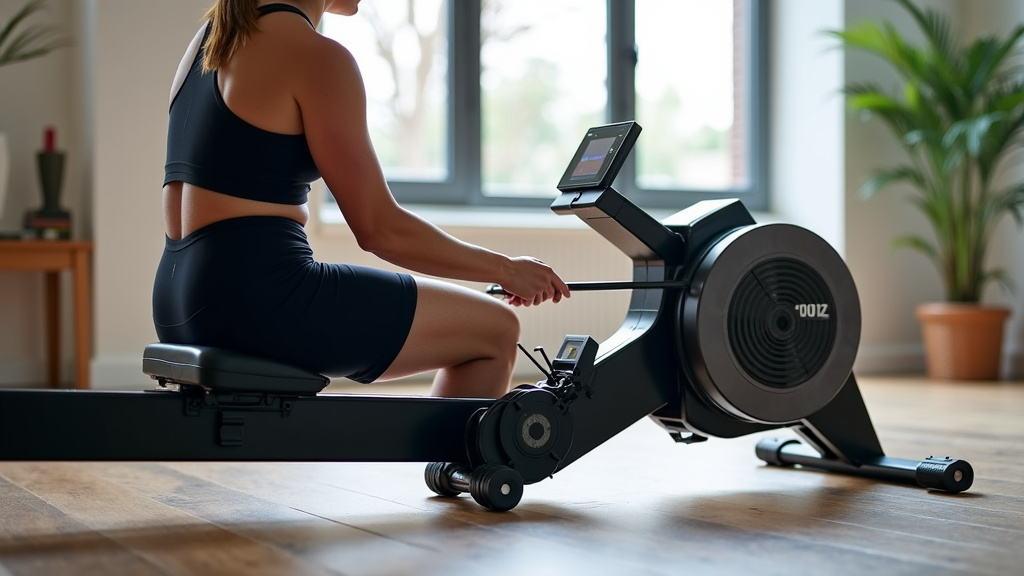
Preventing Future Folding Frustrations
Once you get your rower folding again, you’ll want to keep it that way. A little routine maintenance goes a long way. It’s like taking care of your car; small checks prevent big breakdowns.
Regular Inspections Are Key
Make it a habit to check the locking mechanism every few uses. Give it a quick wiggle. Ensure it moves freely and locks securely. Also, periodically check all visible bolts and screws for tightness. This simple habit can save you a lot of hassle.
Proper Storage Practices
When you do fold your rower, ensure it’s on a flat, stable surface. Avoid forcing it. If it feels stuck, stop and investigate. Storing it in a dry place also helps prevent rust and debris buildup. Think of it as giving your rower a comfortable resting spot.
Quick Checklist for Smooth Folding
- Confirm the locking pin is fully inserted.
- Ensure the lever is in its final position.
- Clear any debris from folding joints and locks.
- Check for and tighten any loose bolts or screws.
- Verify the frame doesn’t appear bent or warped.
- Gently test the fold after making adjustments.
Conclusion
You’ve learned that a stubborn rowing machine refusing to fold flat is usually a simple mechanical hiccup. We’ve seen that the most common culprits are misaligned locking mechanisms, obstructions, or loose fasteners. By carefully checking the pin or lever, clearing any debris, and ensuring all bolts are snug, you can often resolve the issue yourself. Remember, a little regular maintenance and attention to detail can prevent these folding frustrations from happening again. Next time your rower seems stuck, take a moment for these checks, and you’ll likely have it tucked away in no time.
Frequently Asked Questions
How often should I lubricate my rowing machine’s folding parts?
You should lubricate your rower’s folding parts sparingly, and only if your owner’s manual recommends it. Over-lubrication can attract dust and dirt, creating more problems. A tiny amount of manufacturer-approved lubricant on metal-on-metal contact points is usually sufficient. Always wipe away any excess.
Can a rowing machine be too heavy to fold easily?
Rowing machines are designed to fold with moderate effort. If your rower feels excessively heavy or difficult to fold, it suggests a mechanical issue rather than just weight. Check for obstructions or a misaligned locking pin, as these can make folding harder than it should be.
What if I lost the locking pin for my rowing machine?
If you’ve lost the locking pin, your rower will likely not fold or stay folded securely. Your best bet is to contact the manufacturer directly. They can usually supply a replacement part specific to your model. Avoid using makeshift substitutes, as they might not fit correctly or be safe.
Is it safe to force my rowing machine to fold if it’s stuck?
No, you should never force your rowing machine to fold if it’s stuck. Forcing it can cause damage to the frame, the locking mechanism, or other components. It’s always better to stop and troubleshoot the issue. We found that identifying the cause of the resistance is the safest approach.
My rower folds but doesn’t stay locked. What should I check?
If your rower folds but won’t stay locked, the issue is likely with the locking mechanism itself. Ensure the pin is fully engaging or the lever is in its final, secure position. Check the receiving hole or slot for any debris that might be preventing the pin from seating properly. A loose bolt near the hinge could also cause misalignment.
