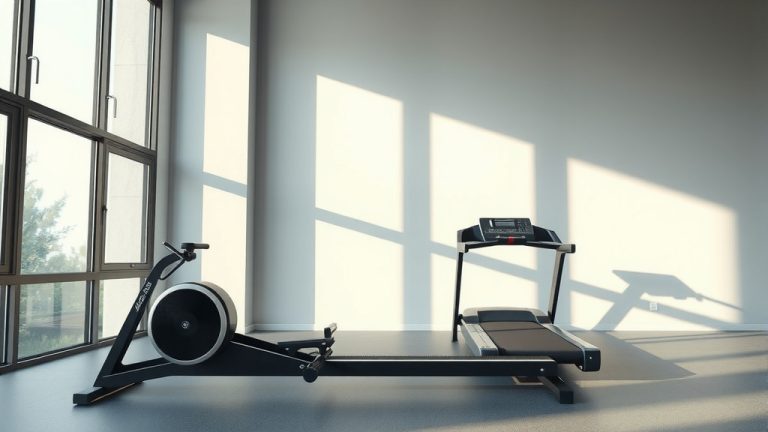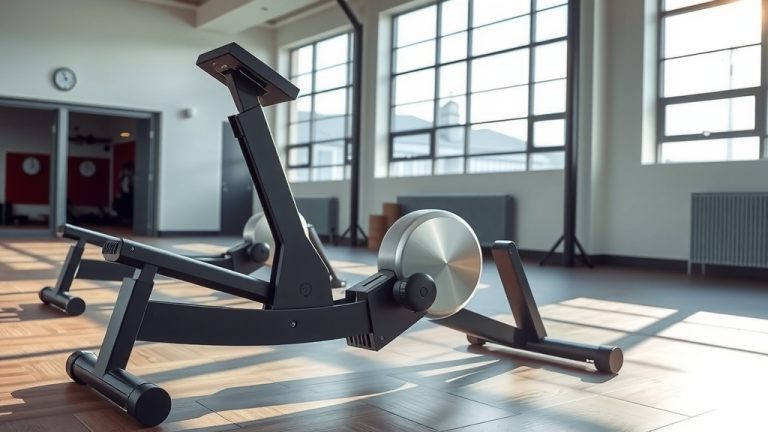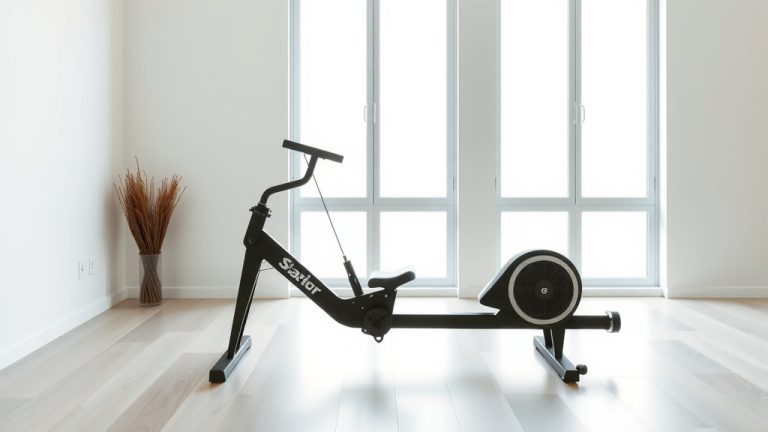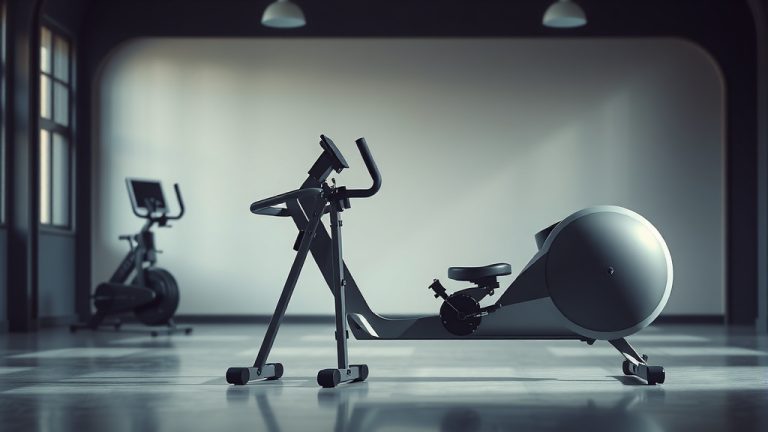
What Is an Erg Workout?
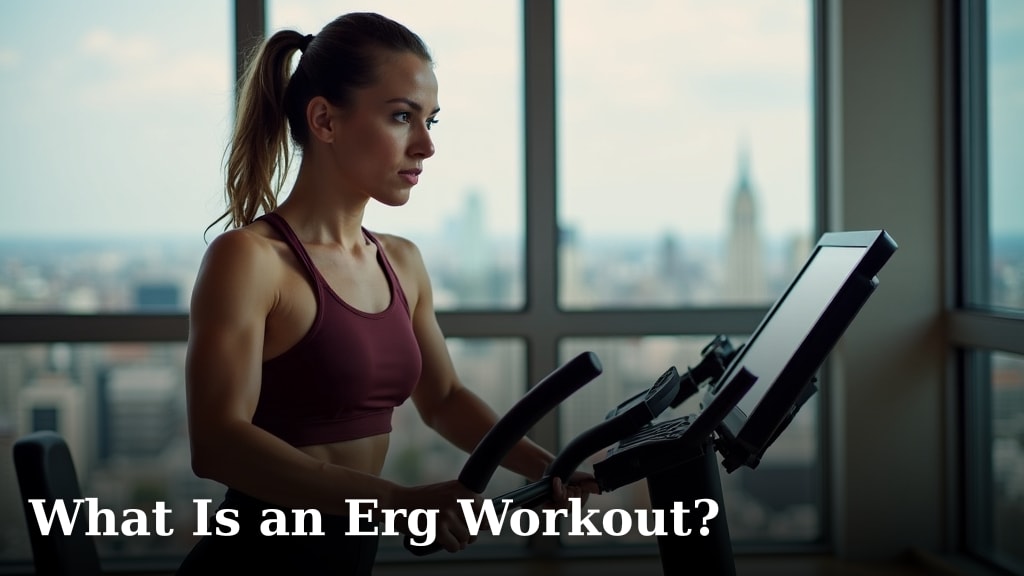
An erg workout is a training session done using an ergometer. This special exercise machine helps you simulate activities like rowing, skiing, or biking. It provides a great way to get a full-body workout.
You can adjust the resistance on ergometers to match your fitness level. Many people use them for cardio and strength training. We found these machines are popular for both athletes and casual exercisers.
- Erg workouts use an ergometer machine.
- They simulate activities like rowing or skiing.
- You get both cardio and strength benefits.
- Resistance is adjustable for all fitness levels.
Ready to understand what makes these workouts so effective? Let’s dive into all the details about erg workouts and why they might be perfect for you.
Understanding Ergometer Workouts Better
An erg workout centers around using an ergometer. This machine helps you mimic real-world movements indoors. Think rowing a boat, cross-country skiing, or cycling up a hill.
It’s like having a mini-gym that focuses on specific motions. These machines are designed to give you a consistent and measurable workout.
What Exactly is an Ergometer?
An ergometer is a device that measures the work or energy expended during exercise. It’s a fancy name for a machine that helps you push your limits.
These machines differ from simple exercise bikes or treadmills. They provide a more direct measurement of your effort and output. This helps you track progress accurately.
The Different Types of Ergs You Might Encounter
You’ll commonly find a few types of ergometers. Each one simulates a different activity. Picking the right one depends on your goals.
- Rowing Ergometers: These are very popular. They simulate rowing a boat on water. You use a pulling motion that engages many muscle groups.
- Ski Ergometers: These machines mimic cross-country skiing. You use your arms, core, and legs in a vertical pulling motion.
- Bike Ergometers: Unlike typical stationary bikes, these focus on precision. They often provide more detailed power output metrics.
The Benefits of Adding Erg Workouts to Your Routine
There are many reasons why people love terg workouts. They offer a unique blend of fitness advantages. We found these machines are excellent for overall physical health.
You get to challenge yourself in ways other exercises might not. Plus, erg workouts are generally low-impact. This makes them suitable for many different people.
Full-Body Engagement and Muscle Activation
One of the biggest perks is how many muscles you use. An erg workout isn’t just about your legs or just your arms.
For example, rowing engages nearly 86% of your muscles. That includes your legs, core, back, and arms. This makes it a very efficient use of your time (American Council on Exercise).
Cardiovascular Fitness and Endurance Building
Erg workouts are fantastic for your heart and lungs. They elevate your heart rate quickly. This helps you build cardiovascular endurance.
You can maintain a steady pace for longer periods. Or you can do high-intensity intervals. Both methods improve your fitness levels.
Strength Development Without Heavy Weights
While you’re not lifting barbells, you’re definitely building strength. The resistance on an ergometer helps tone and strengthen your muscles.
You’re working against the machine’s resistance. This builds functional strength. It prepares your body for everyday activities.
Setting Up Your First Erg Workout
Getting started with an erg is straightforward. But a little preparation goes a long way. Let’s make sure you have a great first experience.
Always remember to prioritize good form. This helps prevent injury and ensures you get the most out of your session.
Proper Form is Your Best Friend
Good technique is critical for erg workouts. Without it, you might not work the right muscles. You could also put undue stress on your body.
We found that watching a few instructional videos helps immensely. Many manufacturers offer guides for their specific machines.
A Quick Form Checklist for Rowing Ergs
- The Catch: Knees bent, shins vertical, arms extended, shoulders relaxed.
- The Drive: Push with your legs first, then swing your back, then pull with your arms.
- The Finish: Legs extended, handle to your lower ribs, lean back slightly.
- The Recovery: Extend arms, then pivot from hips, then bend knees.
- Keep Your Core Engaged: Throughout the entire movement, tighten your abdominal muscles.
Adjusting Resistance and Understanding Metrics
Ergometers allow you to control the resistance. This is usually called the “damper setting” on a rowing erg. It’s not a measure of intensity itself.
Think of the damper setting like gears on a bike. A higher setting feels like a heavier boat. A lower setting feels like a lighter boat. Your effort still determines intensity.
| Metric | What It Means | Why It Matters |
|---|---|---|
| Watts (W) | Your power output in real-time. | Direct measure of your work; good for comparing efforts. |
| Split/500m | Time to row 500 meters at current pace. | Pacing against goals; lower number is faster. |
| Stroke Rate (SPM) | Number of strokes per minute. | Indicates rhythm and efficiency; usually 20-30 SPM. |
| Calories | Estimated energy burned. | General guide for overall expenditure. |
Crafting Your Erg Workout Plan
Once you are comfortable with the machine, it’s time to plan your workouts. You can make them as challenging or as easy as you like.
Variety is key to staying motivated. It also helps you train different aspects of your fitness. We found that a mix of workouts works best.
Interval Training vs. Steady-State Workouts
You have two main approaches to erg workouts. Both offer unique advantages to your fitness journey.
Steady-State: This means working at a consistent, moderate pace. You can hold a conversation during this type of workout. It’s great for building a strong aerobic base.
Interval Training: This involves short bursts of high-intensity work. You follow these with periods of rest or low-intensity recovery. It’s excellent for improving speed and power.
Sample Erg Workouts for Different Goals
Let’s look at a couple of basic workout structures. Remember to always warm up first. A 5-10 minute easy row or ski is perfect.
Beginner Endurance Workout:
- Warm-up: 5 minutes easy pace.
- Main Set: 3 sets of 10 minutes at a moderate, steady pace.
- Rest: 2-3 minutes of easy rowing/skiing between sets.
- Cool-down: 5 minutes easy pace.
Intermediate Interval Workout:
- Warm-up: 5-7 minutes easy pace.
- Main Set: 6-8 intervals of 1 minute ‘hard’ effort.
- Rest: 2 minutes ‘easy’ recovery after each hard effort.
- Cool-down: 5 minutes easy pace.
Who Can Benefit Most from Erg Workouts?
Almost anyone can benefit from an erg workout. Its versatility makes it attractive to many groups. From competitive athletes to those just starting their fitness journey.
We found that ergometers offer a great alternative for cross-training. They give you a break from your usual activities.
Athletes and Cross-Training
Many athletes use ergs. Rowers, of course, find them essential. But runners, swimmers, and even weightlifters use them too.
They provide a non-impact way to build cardio and muscular endurance. This can help prevent injuries from repetitive training on land (National Institutes of Health).
People Seeking Low-Impact Exercise
If you have joint issues, ergs can be a savior. The movements are smooth and controlled. This puts less stress on your knees and hips.
It allows you to get a great workout without the pounding. Your body will thank you for it.
Conclusion
You’ve now got a solid understanding of what an erg workout involves. From the different types of machines to the incredible benefits, these workouts offer a powerful way to boost your fitness. We found they provide full-body engagement and improve cardiovascular health without stressing your joints.
The beauty of erg training is its versatility. You can tailor it to your goals, whether you want steady endurance or high-intensity intervals. So, if you’re looking for an efficient, measurable, and low-impact exercise option, consider adding an erg workout to your routine. Give it a try, focus on your form, and start building a stronger, healthier you.
Frequently Asked Questions
How often should I do erg workouts for the best results?
For optimal fitness, aim for 2-4 erg workouts per week. This allows your body sufficient time for recovery. You’ll see improvements in both strength and endurance over time.
Can erg workouts help me lose weight?
Yes, erg workouts are excellent for weight loss. They burn a significant amount of calories and build muscle, which boosts your metabolism. Combine them with a balanced diet for the best outcomes.
Are ergometers safe for people with back pain?
Generally, yes, if performed with proper form. Erg workouts are low-impact and strengthen core muscles, which can help support your back. However, always consult your doctor first if you have existing back issues.
What’s the main difference between a rowing erg and a ski erg?
A rowing erg simulates sitting in a boat and pulling horizontally, engaging legs, core, and arms. A ski erg mimics standing and pulling vertically, emphasizing your core, arms, and upper body more, like cross-country skiing.
Do I need special shoes for an erg workout?
No, you don’t need special shoes. Any athletic shoe that provides good stability and support will work well. Make sure your shoes fit snugly in the foot straps.