Is 1 Or 10 Harder On Rowing Machine?
On a rowing machine, setting 10 is almost always harder than setting 1. Higher numbers typically mean more resistance, demanding greater effort from your muscles.
This increased resistance on a rowing machine makes each stroke more challenging, leading to a more intense workout.
Here’s a quick overview of what you need to know:
- Resistance level 10 is significantly harder than level 1 on a rower.
- Higher numbers typically increase the drag or damper setting, not the weight.
- This means you need more muscle effort per stroke to move the flywheel.
- Choose your resistance based on your fitness goals and current strength levels.
- Always start with a lower setting to perfect your form and prevent injuries.
Is 1 Or 10 Harder On Rowing Machine?
Yes, setting 10 is definitely harder than setting 1 on most rowing machines. Think of it like this: a higher number means you are pushing against more air or water.
This demands more power from your body with each stroke you take. It’s about how much drag you create.
Understanding Resistance: It’s Not Like Lifting Weights
Many people assume a rowing machine’s resistance is like lifting a heavier barbell. For more on this topic, see our air versus magnetic rowers guide. That’s not quite right. On a rower, resistance is about drag and air (or water) movement.
You aren’t lifting a static weight. Instead, you are working against the resistance created by the machine’s fan or water tank. The higher the setting, the more drag you encounter.
What Does a “1” Setting Feel Like?
A setting of “1” feels very light and smooth. It’s like gliding through calm water. This low resistance is excellent for several reasons.
It allows you to focus purely on your rowing technique and rhythm. For more on this topic, see our SPM in rowing guide. Many experts suggest beginners start here. It’s also perfect for warm-ups or long, steady-state cardio sessions.
What Does a “10” Setting Feel Like?
Switching to “10” is a whole different ball game. It feels heavy and requires a lot more muscle power. Each stroke demands significant effort and strength.
This higher resistance is great for building strength and power. You’ll likely do shorter, more intense bursts of rowing on this setting.
The Damper Setting: Your Rowing Machine’s Secret
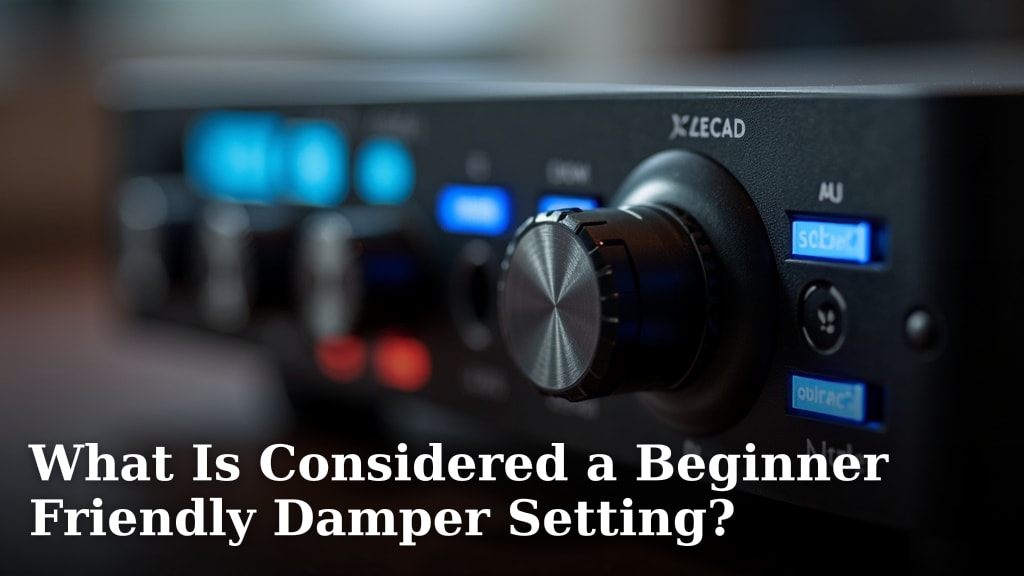
Most rowing machines use a “damper” lever to adjust resistance. This lever changes how much air enters the flywheel housing. It’s a key part of how hard your workout feels.
It’s not about adding weight; it’s about controlling the flow. A higher damper setting means more air, creating more drag and a harder pull.
Air Resistance Rowers (Concept2 Example)
Take the popular Concept2 rower, for instance. Its damper lever controls a vent. A higher number, like 10, opens the vent wider.
This lets more air into the fan cage. More air means more resistance for the fan to spin through, making your pull much harder. We found that this increased air resistance directly translates to more effort from you.
Water Resistance Rowers
Water rowers also adjust resistance, often by changing the volume of water or the angle of the paddles. More water or a steeper paddle angle creates more drag.
Again, a higher resistance setting here means your muscles work harder to move the water. It’s still about drag, just a different medium.
Finding Your Ideal Resistance Level
There’s no single “best” resistance level for everyone. Your ideal setting depends on your personal fitness goals. It also relates to your current strength and how you want to train.
You might even change it during a single workout. Listen to your body and adjust as needed.
When to Choose Lower Settings (1-4)
Lower settings are your friends for specific types of workouts. They are perfect when you need to focus on smooth, efficient movement. Many exercise guidelines suggest beginners start here (Mayo Clinic).
- Warm-ups: Prepare your muscles gently.
- Technique Drilling: Master your form without fighting resistance.
- Long, Steady-State Cardio: Build endurance over time.
- Recovery Rows: Aid muscle recovery after intense sessions.
- Beginners: Learn the basics safely and effectively.
When to Choose Medium Settings (5-7)
Medium settings offer a balanced workout. They give you a good mix of cardio challenge and muscle engagement. Many people find this range comfortable for general fitness.
It’s a great setting for varied workouts. You get both a cardiovascular boost and some muscle-toning benefits. It’s a versatile sweet spot.
When to Choose Higher Settings (8-10)
Higher settings are for building power and strength. If your goal is to challenge your muscles deeply, this is where you’ll spend time. These are often used in shorter, more explosive sessions.
Think short intervals, sprints, or workouts focused on maximum power output. Only use these settings once you have excellent form and sufficient strength.
Don’t Just Crank It Up: The Pitfalls of Too High Resistance
It might seem tempting to go straight to “10” for a “harder” workout. However, a setting that’s too high can actually be counterproductive. It often leads to poor form and injury.
You might also exhaust yourself too quickly. This prevents you from getting a full, effective cardiovascular workout. It’s about smart training, not just brute force.
Prioritizing Form Over Force
Good form is paramount on a rowing machine. Research often connects improper technique with muscle strain and lower back issues (NIH). A high resistance setting can force you to use your back instead of your legs.
Your legs should do most of the work in rowing. A setting that allows you to maintain proper posture and drive with your legs is always better. Focus on efficient movement first.
A Quick Guide to Setting Your Damper
Here’s a simple table to help you match your goals with your rowing machine’s damper setting. Remember, these are general guidelines.
| Workout Goal | Recommended Damper Setting | Why It Works |
|---|---|---|
| Warm-up / Technique | 1-3 | Allows focus on form; light on muscles. |
| Longer Cardio / Endurance | 3-5 | Moderate effort for sustained periods. |
| General Fitness / Balanced | 4-7 | Good mix of cardio and strength. |
| Strength / Power Intervals | 7-10 | Requires maximum muscle effort; short bursts. |
Your Resistance Checklist for a Better Row
Before you jump on your rowing machine, consider these quick points. They will help you get the most out of every workout. A little preparation goes a long way.
- Start with a lower setting to master your form first.
- Listen to your body; if it feels too hard, reduce the resistance.
- Match your resistance setting to your specific workout goal.
- Increase resistance gradually as your strength and fitness improve.
- Don’t be afraid to adjust mid-workout if needed.
- Focus on consistency over always pushing for the highest setting.
Conclusion
Ultimately, “10” is significantly harder than “1” on a rowing machine. It demands more power and builds strength. However, harder doesn’t always mean better for your specific goals.
The best setting for you is one that supports good form. It should also challenge you effectively. Experiment, listen to your body, and enjoy the incredible full-body workout a rower provides.
What is the “drag factor” on a rowing machine?
The “drag factor” is a more precise measure of resistance than the damper setting. It’s automatically calculated by some rowers, like Concept2. It reflects how much drag the flywheel actually experiences, accounting for environmental factors like air density. This means you can get a consistent workout experience regardless of the room’s conditions.
Should I always row on a low resistance setting?
No, you shouldn’t always row on a low resistance setting. While low settings are great for technique and long cardio, varying your resistance is beneficial. Medium settings offer a balanced workout, and higher settings build strength. It’s best to mix it up based on your workout goals for a well-rounded fitness routine.
Does a higher resistance burn more calories?
A higher resistance setting typically makes your workout more intense. This often leads to burning more calories in a shorter amount of time. However, this is only true if you can maintain good form and a reasonable pace. If the resistance is too high, your form suffers, and your workout might become less effective overall, reducing calorie burn.
Can a rowing machine help me build muscle?
Absolutely! A rowing machine engages about 85% of your body’s muscles. By using higher resistance settings, you can definitely build muscle, especially in your legs, glutes, core, back, and arms. It’s particularly effective for developing power and muscular endurance. Combine it with a good diet for optimal muscle growth.
How often should I change my resistance setting?
You can change your resistance setting as often as your workout demands. Many people adjust it for different phases of their workout, such as a low setting for warm-ups, a medium setting for the main cardio block, and higher settings for short, intense intervals. Don’t be afraid to experiment to find what works best for your training program and goals.