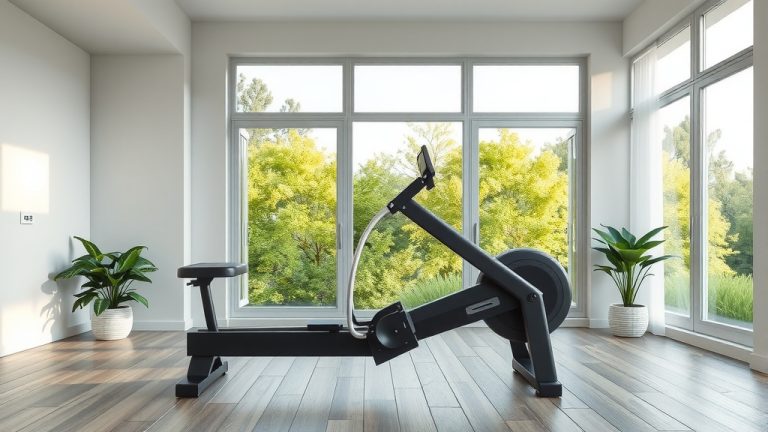
Is a Rowing Machine Safe for Seniors?
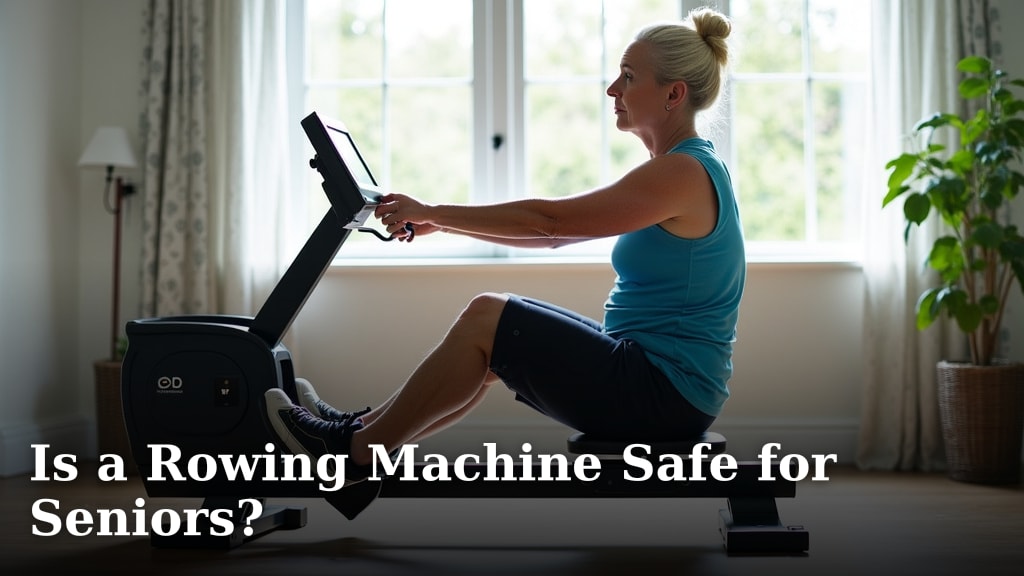
Yes, a rowing machine is generally safe for seniors, offering a fantastic low-impact workout with many health benefits. Many experts agree that with proper form and modifications, seniors can greatly improve their fitness safely. We found that it is a gentle yet effective exercise.
You might be wondering if a rowing machine fits into your fitness plan, especially as you get older. We looked at lots of information and found that rowing can be a full-body workout without stressing your joints. It helps with heart health, strength, and even balance, making it a smart choice for active aging.
- Rowing is a safe, low-impact exercise for seniors.
- It offers a full-body workout.
- It improves cardiovascular health and strength.
- Proper form and modifications are key.
- Always check with your doctor first.
Let’s walk through everything you need to know about using a rowing machine safely and effectively as a senior.
Can Seniors Safely Use a Rowing Machine?
Yes, seniors can absolutely use a rowing machine safely. It’s a fantastic way to get a full-body workout without putting extra stress on your joints. Think of it as a gentle giant of exercise equipment. You move through a natural range of motion, which is much kinder to your body than high-impact activities. We found that many seniors enjoy rowing because it helps them stay active and strong. It really is a smart choice for staying healthy as you age.
Understanding the Benefits for Older Adults
Why do so many people recommend rowing for seniors? Well, it offers a whole host of benefits. It’s not just about one muscle group; it works nearly your entire body. This means you get more bang for your buck with each workout. You’ll feel stronger, have more energy, and even think more clearly. Let’s break down some of these amazing advantages.
Full-Body Workout without Joint Strain
Imagine an exercise that uses about 86% of your muscles. That’s rowing for you! It engages your legs, core, back, and arms. But here’s the best part: it does all this without harsh impact. Your feet stay planted, and your movements are smooth and controlled. This makes it ideal if you have concerns about your knees, hips, or back. It’s like gliding on water, but in your home.
Improved Cardiovascular Health
Your heart is a muscle, and rowing gives it a great workout. Regular rowing can help strengthen your heart and improve your circulation. This means better oxygen delivery throughout your body. We found that keeping your heart healthy is key to preventing many age-related conditions (American Heart Association). A stronger heart can mean more energy for your daily activities.
Enhanced Strength and Muscle Tone
As we get older, maintaining muscle mass becomes really important. Rowing helps you build and keep that strength. It works your major muscle groups, helping you stay strong for everyday tasks. Lifting groceries, climbing stairs, or playing with grandkids all become easier. You’ll notice a difference in your overall physical capability.
Better Balance and Coordination
Balance is a big concern for seniors. Rowing machines require you to coordinate your movements. This helps improve your balance and stability. You’re working different muscle groups in a rhythmic way, which helps train your brain and body to work together. This can reduce your risk of falls, giving you more confidence in your movements.
Safety First: How to Row Smart
While rowing is safe, doing it correctly is crucial, especially for seniors. It’s like learning to ride a bike; once you get the hang of it, it’s smooth sailing. But getting the basics right makes all the difference. We’ve gathered some tips to help you row safely and effectively.
Consult Your Doctor Before Starting
This is your first and most important step. Before you begin any new exercise routine, talk to your doctor. They know your health history best. They can advise you on any specific precautions or modifications you might need. It’s always better to be safe than sorry, right?
Mastering Proper Form: Your Best Defense
Good form isn’t just about looking good; it prevents injuries. The rowing stroke involves four main phases: the catch, the drive, the finish, and the recovery. Focus on moving smoothly through each one. Your legs do most of the work, not your back or arms. We found that watching videos and even getting a few sessions with a trainer can be very helpful.
- The Catch: Sit tall, shins vertical, arms straight.
- The Drive: Push with your legs first, then lean back slightly, then pull with your arms.
- The Finish: Lean back slightly, handles to your ribs, legs extended.
- The Recovery: Extend arms, lean forward, then bend knees to slide forward.
Start Slowly and Listen to Your Body
Don’t try to be a rowing champion on day one. Start with short, easy sessions. Maybe 10-15 minutes at a low intensity. Gradually increase your time and intensity as you get stronger. Pay attention to how your body feels. If something hurts, stop. Exercise should feel challenging, not painful. It’s about progress, not perfection.
Choosing the Right Rowing Machine
Not all rowing machines are created equal. Different types offer different feels and benefits. For seniors, comfort and ease of use are key. You want something that supports good posture and is easy to get on and off. Let’s look at the main types.
Understanding Different Resistance Types
There are four main types of resistance: air, magnetic, water, and hydraulic. Each has its own characteristics. For seniors, magnetic or water rowers are often good choices because they offer a smooth, consistent stroke and are generally quieter. Air rowers can be great too, but they can be a bit louder.
| Resistance Type | Pros for Seniors | Cons for Seniors |
|---|---|---|
| Magnetic | Smooth, quiet, consistent resistance, easy to adjust. | Less natural “feel” than water. |
| Water | Smooth, natural feel, quiet, relaxing sound. | Can be heavier, may require water treatment. |
| Air | Closest to on-water rowing, resistance increases with effort. | Can be noisy, some may find the resistance curve challenging. |
| Hydraulic | Compact, affordable, often easier to store. | Can have less fluid motion, sometimes feels less natural. |
Key Features to Look For
When you’re shopping for a rowing machine, keep a few things in mind. You want a machine that makes your workout experience positive. Consider factors like seat height, foot straps, and monitor features. A higher seat can make it easier to get on and off, which is a big plus.
- Comfortable Seat: Look for a padded, ergonomic seat.
- Adjustable Foot Straps: Ensure your feet are secure and comfortable.
- Easy-to-Read Monitor: A clear display for time, distance, and strokes per minute.
- Smooth Rail: A stable, long rail for a full range of motion.
- Storage Options: Can it be folded or stood upright to save space?
Making Rowing Part of Your Routine
You’ve got your machine, you know the form, and your doctor gave the green light. Now, how do you stick with it? Consistency is more important than intensity. Even short, regular sessions add up to big health gains over time. Don’t aim for perfection; aim for progress and enjoyment.
Setting Realistic Goals
What do you want to achieve with your rowing? Maybe it’s better stamina, stronger legs, or just feeling more energetic. Set small, achievable goals. Instead of “row for an hour every day,” try “row for 15 minutes three times a week.” Celebrate your small victories along the way. We found that this approach keeps motivation high.
Varying Your Workouts
To keep things interesting, try different types of workouts. One day, focus on a steady pace for a longer duration. Another day, try shorter bursts of higher intensity followed by recovery. Many rowing machines come with pre-programmed workouts. This variety can challenge your body in new ways and prevent boredom. Plus, it’s fun!
A Quick Checklist for Safe Senior Rowing
Before you hop on that rower, just do a quick mental run-through. This checklist can help you remember the most important safety points.
- Did I talk to my doctor first?
- Am I wearing comfortable clothes and shoes?
- Do I know the proper rowing form?
- Is my rowing machine stable and in good working order?
- Am I starting with a warm-up and planning a cool-down?
- Will I listen to my body and stop if I feel pain?
Conclusion
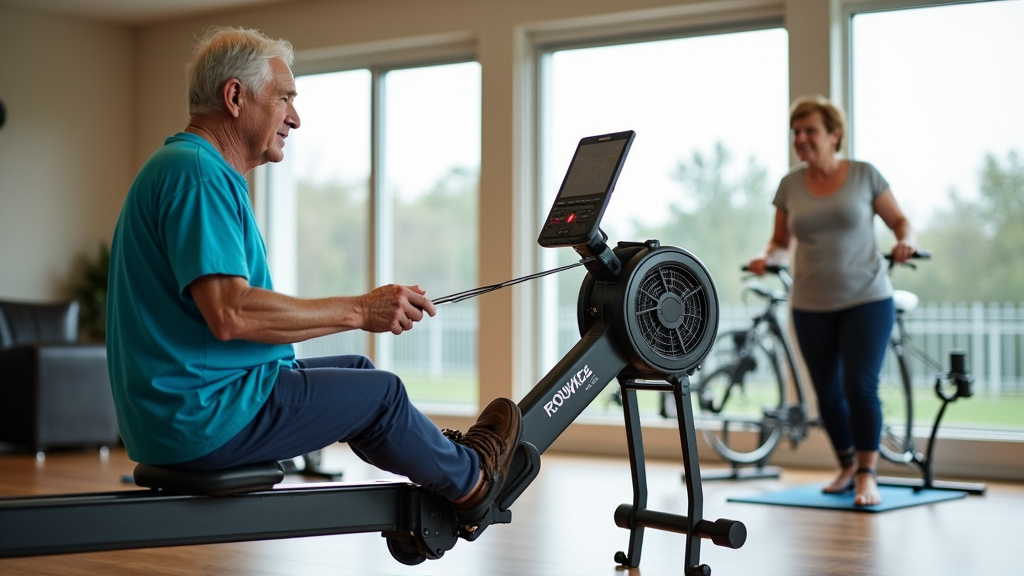
You’ve learned that a rowing machine is a wonderful, safe choice for seniors looking to stay active. It offers a full-body, low-impact workout that boosts your heart health, strength, and balance. Remember, starting smart with your doctor’s OK and focusing on proper form makes all the difference. We’ve found that choosing the right machine for your needs also enhances your experience. By incorporating rowing into your routine, you’re investing in a healthier, more energetic you. Why not start exploring rowing as your next step toward feeling great?
Frequently Asked Questions
Is 20 minutes of rowing enough for seniors?
Yes, 20 minutes of rowing can be very effective for seniors. It’s a great duration to get your heart rate up and work your muscles without overdoing it. You can build up to this time gradually, starting with shorter sessions if needed. Consistency over time is more important than length of any single workout.
What muscles does a rowing machine work for seniors?
A rowing machine works nearly all your major muscle groups. You’ll engage your legs (quads, hamstrings, glutes), core (abs, lower back), back (lats, rhomboids), and arms (biceps, triceps, shoulders). This makes it a highly efficient way to maintain overall strength and muscle tone as you age.
How often should a senior do rowing?
For most seniors, rowing 2-3 times per week is a great starting point. This allows your body adequate time to recover between sessions. You can gradually increase frequency or duration as your fitness improves, always listening to what your body tells you. Regularity is key to seeing lasting benefits.
What is the best type of rowing machine for seniors with bad knees?
For seniors with bad knees, magnetic or water resistance rowers are often recommended. These types provide a smooth, consistent stroke that is gentle on joints. Look for machines with a higher seat height to make getting on and off easier, reducing strain on your knees.
Can rowing help seniors with back pain?
Rowing can potentially help seniors with back pain by strengthening core and back muscles, which support the spine. However, proper form is absolutely critical to avoid aggravating existing conditions. Always consult your doctor before starting, and focus on using your legs and core, not your back, to drive the stroke.