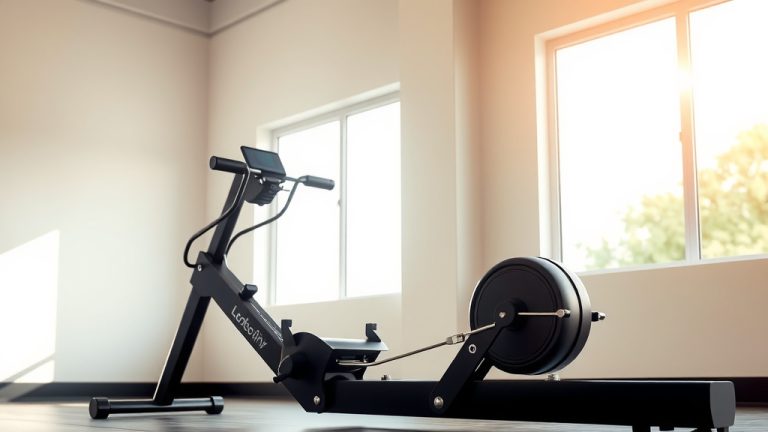
Is A Rowing Machine Good Cardio?
Absolutely, a rowing machine is an exceptional choice for cardiovascular exercise. It offers a powerful, full-body workout that truly challenges your heart and lungs.
You can significantly improve your endurance, burn calories efficiently, and boost overall heart health with regular rowing machine sessions.
- Rowing offers a full-body, **low-impact cardio workout** that’s gentle on your joints.
- It effectively strengthens your **heart, lungs, and major muscle groups** simultaneously.
- You can easily **customize intensity** to match your fitness goals, from gentle warm-ups to intense intervals.
- This exercise is highly efficient for **calorie burning** and building both stamina and muscular endurance.
- It’s a fantastic fitness option suitable for **almost all fitness levels**, from beginners to experienced athletes.
Is A Rowing Machine Good Cardio?
Yes, a rowing machine is an outstanding choice for cardio exercise. It delivers a comprehensive workout that gets your heart pumping and strengthens your entire body.
Understanding Cardiovascular Fitness
Cardiovascular fitness means how well your heart, lungs, and blood vessels deliver oxygen to your body. Think of it like your body’s delivery system for energy. A **stronger cardio system** means you can do more without getting tired.
When you exercise, your heart beats faster, pushing more blood and oxygen to your muscles. Rowing trains this system very effectively, making it more efficient over time (American Heart Association).
The Full-Body Cardio Advantage
Unlike cycling or running, which mostly target your lower body, rowing engages about 85% of your muscles. This includes your legs, core, back, and arms. When more muscles work, your heart has to pump harder, providing an **excellent cardio challenge**.
We found that this widespread muscle engagement is key to getting a superior cardiovascular workout. You’re not just building endurance; you’re building a **stronger, more capable body** all around.
How Rowing Boosts Your Heart Health
Regular rowing helps your heart become more efficient. It learns to pump more blood with each beat, lowering your resting heart rate. This means your heart works less to do its job, which is a sign of **great heart health**.
Many experts say consistent cardio exercise, like rowing, can reduce your risk of heart disease and stroke (CDC). It’s like giving your heart a regular tune-up.
The Mechanics of a Rowing Stroke for Cardio
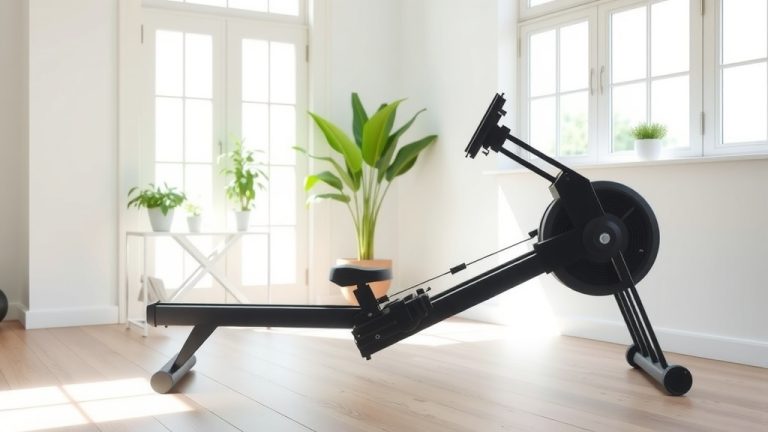
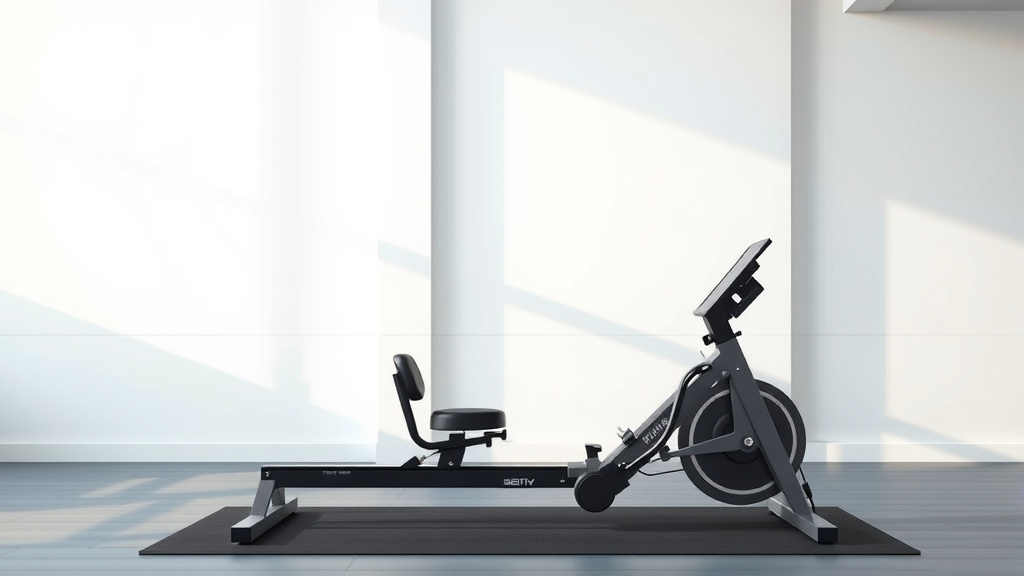
A rowing stroke has four main phases: the catch, the drive, the finish, and the recovery. The “drive” phase is where you powerfully push off with your legs, pull with your back, and finish with your arms. This **explosive full-body movement** demands a lot from your cardiovascular system.
During the recovery, you smoothly return to the starting position, preparing for the next powerful drive. The continuous, rhythmic nature of these movements keeps your **heart rate elevated** for sustained periods.
Calorie Burning Power of Rowing
Because rowing uses so many muscles, it burns a significant amount of calories. This makes it a fantastic tool if you’re looking to manage your weight or **shed some extra pounds**.
We found that a 30-minute rowing session can burn anywhere from 200 to 400 calories, depending on your intensity and body weight. It’s an **efficient way to reach your fitness goals**.
Low-Impact, High-Benefit Cardio
One of the best features of a rowing machine is its low-impact nature. Your feet stay strapped in, and there’s no pounding on your joints like with running. This means less stress on your knees, hips, and ankles, making it a **safe choice for many people**.
This low impact allows you to train harder and longer without worrying about overuse injuries. It’s a gentle yet powerful path to **improving your fitness**.
Rowing vs. Other Cardio Exercises
How does rowing stack up against popular cardio workouts? Let’s take a quick look:
| Exercise Type | Muscle Engagement | Impact Level | Cardio Effectiveness |
|---|---|---|---|
| Rowing Machine | Full Body (85% muscles) | Low | Excellent |
| Running | Lower Body | High | Excellent |
| Cycling | Lower Body | Low | Very Good |
| Swimming | Full Body | Very Low | Excellent |
As you can see, rowing offers a unique blend of **full-body engagement and low impact**, which sets it apart from many other cardio options.
Tailoring Your Rowing Cardio Workouts
You can easily adjust your rowing workout to fit your cardio goals. Whether you want a steady-state workout or high-intensity intervals, the rowing machine delivers.
- For **steady-state cardio**, aim for a consistent, moderate pace for 20-60 minutes. This builds your aerobic base and endurance.
- For **High-Intensity Interval Training (HIIT)**, alternate short bursts of maximum effort with recovery periods. This boosts metabolism and cardiovascular capacity rapidly.
Maximizing Your Cardio Benefits
To get the most out of your rowing machine for cardio, remember these tips:
Many experts recommend focusing on your form first. A good stroke ensures you’re engaging the right muscles and preventing injury (Mayo Clinic).
Listen to your body. You should feel challenged, but not in pain. Gradually increase your duration or intensity over time.
Common Mistakes to Avoid
Sometimes people focus too much on pulling with their arms or hunching their back. This can reduce the cardio benefit and lead to discomfort. Remember that the **legs are your power source**.
Don’t neglect the “recovery” phase either. A controlled recovery sets you up for the next powerful “drive.” It’s all about a **smooth, rhythmic motion**.
Are Rowing Machines for Everyone?
Generally, yes! Because rowing is low-impact, it’s suitable for a wide range of individuals. From beginners to seasoned athletes, and even those recovering from certain injuries (with doctor approval), it’s a **highly adaptable exercise**.
We often find that people who struggle with high-impact exercises find a rowing machine to be a fantastic alternative. It allows you to get a **great workout without the wear and tear**.
Your Cardio Rowing Checklist
Ready to make the rowing machine a core part of your cardio routine? Here’s a quick checklist to guide you:
- Learn proper **rowing form**.
- Start with **shorter, moderate sessions**.
- Gradually **increase duration or intensity**.
- Incorporate both **steady-state and interval training**.
- Stay **hydrated** during your workouts.
- Listen to your body and **rest when needed**.
Conclusion
Without a doubt, a rowing machine is an exceptional tool for cardio fitness. It offers a powerful, full-body, low-impact workout that strengthens your heart, builds endurance, and burns calories efficiently. By understanding its mechanics and focusing on proper form, you can unlock incredible benefits for your overall health and fitness. So, if you’re looking for a highly effective and joint-friendly way to boost your cardiovascular health, the rowing machine might just be your perfect match.
Can a rowing machine replace other cardio workouts?
A rowing machine can certainly serve as your primary cardio workout due to its full-body engagement. However, incorporating variety, like walking or strength training, can offer additional benefits and keep your routine engaging. It’s a fantastic base, but mixing it up is always a good idea.
How often should I use a rowing machine for cardio benefits?
For significant cardiovascular benefits, many fitness guidelines suggest aiming for 3-5 sessions per week, each lasting 20-60 minutes. Consistency is key, so find a schedule that works for you and stick with it.
Does rowing build muscle or just cardio?
Rowing builds both! While it excels as a cardio exercise, the powerful “drive” phase engages major muscle groups like your quads, glutes, hamstrings, core, back, and arms. This means you’ll develop muscular endurance and tone, alongside your cardiovascular fitness.
Is rowing good for weight loss?
Yes, rowing is very effective for weight loss. Its high calorie-burning potential, coupled with its ability to build muscle (which boosts metabolism), makes it a great choice for creating a calorie deficit. Regular rowing, combined with a balanced diet, can lead to sustainable weight management.
What’s a good rowing pace for cardio?
A good cardio pace typically means you can still hold a conversation, though it might be a bit challenging. For most, this translates to about 20-26 strokes per minute at a moderate intensity. The most important thing is to maintain a consistent effort that elevates your heart rate into your target zone.