
How to Warm Up Before Rowing?

Warming up before rowing is essential for preparing your body and preventing injury. You should start with light cardio to get your blood flowing, followed by dynamic stretches that mimic rowing movements. This prepares your muscles and joints for the work ahead.
Skipping your warm-up can lead to muscle strains and discomfort. Many experts suggest that a proper warm-up can also boost your performance. It’s about getting your body ready for the specific demands of rowing, ensuring a safer and more effective workout.
- Warm up to prevent injuries.
- Start with light cardio.
- Follow with dynamic stretches.
- Dynamic stretches mimic rowing.
- A good warm-up improves performance.
Let’s walk through exactly how to warm up your body before you hit the erg.
“`htmlGetting Your Body Ready for the Rowing Machine
Before you even think about pulling on that handle, let’s talk about why a proper warm-up is so important. Think of your body like a car engine. You wouldn’t just start it up and immediately floor it, right? You let it warm up a bit. Rowing is similar. It demands a lot from your muscles and joints. A good warm-up prepares them for this intense work, reducing the risk of strains and pulls.
Many experts agree that a dynamic warm-up is key. This isn’t just about breaking a sweat. It’s about waking up specific muscle groups and improving your range of motion. This preparation can actually boost your power output and endurance when you start your main workout. It’s about setting yourself up for success, both in terms of performance and injury prevention. We found that consistent warm-ups lead to fewer aches and pains later on.
Why Dynamic Over Static? Your Warm-Up Advantage
You might be wondering about the difference between dynamic and static stretching. Static stretching involves holding a stretch for a period. Think of touching your toes and holding. While great for flexibility *after* a workout, it’s generally not recommended *before* rowing. Research suggests that static stretching before intense activity might actually decrease your muscle power.
Dynamic stretching, on the other hand, involves moving through a range of motion. These movements mimic the actions you’ll perform during rowing. This gets your blood flowing to the muscles you’ll be using. It also signals to your nervous system that it’s time to get moving. We found that dynamic movements are much more effective at preparing the body for the specific demands of rowing.
The Cardio Kick-Start: Getting the Blood Pumping
The first step in your warm-up should be a light cardio session. This helps increase your heart rate gradually. It also raises your core body temperature. You don’t need to go all out here. The goal is to feel a light sweat and a bit of warmth in your muscles. This might take about 5 to 10 minutes. The first step in your warm-up should be a light cardio session. This helps increase your heart rate gradually. Learn if a rowing machine is good for cardio.
Light Rowing Machine Warm-Up
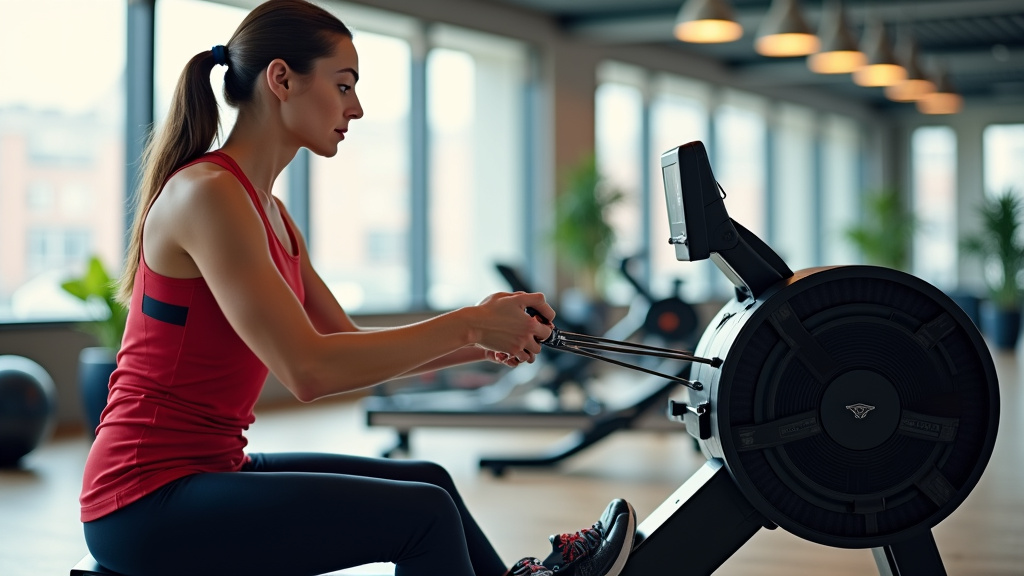
The most obvious place to start is your rowing machine itself. Begin with a very light intensity. Focus on smooth, controlled strokes. Keep your resistance low. You should be able to hold a conversation easily at this stage. This is all about getting your body accustomed to the motion.
Pay attention to your form even at this low intensity. Think about connecting your breath with your stroke. Inhale as you reach forward, exhale as you pull back. This mindful movement helps activate your core and get your lats engaged. Many coaches suggest starting with very short intervals, maybe 30 seconds of rowing followed by 30 seconds of rest. Repeat this for a few minutes.
Alternatives for Cardio
Don’t have access to a rowing machine, or just want a change of pace? Other light cardio activities work well too. A brisk walk or a light jog can get your blood flowing nicely. Jumping jacks or high knees are also good options. Even a few minutes on an elliptical or stationary bike can do the trick.
The key is to elevate your heart rate slightly and warm up your entire body. You’re not looking to tire yourself out. You just want to feel ready for the main event. We found that even something as simple as skipping in place for a few minutes can be beneficial if you’re short on time.
Dynamic Movements: Mimicking the Rowing Stroke
After your cardio, it’s time for dynamic stretches. These movements prepare your joints and muscles for the specific demands of the rowing stroke. Focus on movements that take your joints through their natural range of motion. This will help improve your mobility and coordination.
Leg and Hip Mobility
Your legs do a lot of work in rowing. We need to make sure they’re ready. Start with leg swings. Stand near a wall or sturdy object for balance. Swing one leg forward and backward in a controlled motion. Keep your core engaged. Do about 10-15 swings per leg.
Next, try side-to-side leg swings. Face the wall and swing your leg across your body, then out to the side. Again, focus on smooth, controlled movements. Perform 10-15 swings on each leg. This helps loosen up your hips and the muscles around your glutes and groin.
Torso and Core Activation
Your core is your powerhouse on the rowing machine. It’s essential for transferring power from your legs to your arms. Torso twists are a great way to warm up your midsection. Stand with your feet shoulder-width apart and gently twist your upper body from side to side. Keep your hips relatively stable.
Another effective move is the cat-cow stretch. Start on your hands and knees. As you inhale, drop your belly and lift your head and tailbone (cow pose). As you exhale, round your spine towards the ceiling, tucking your chin and tailbone (cat pose). This movement warms up your spine and engages your core muscles. Many physical therapists recommend this for spinal mobility.
Arm, Shoulder, and Upper Back Warm-Up
Your arms and shoulders will be doing a lot of pulling. We need to get them ready. Arm circles are a classic for a reason. Start with small circles, then gradually make them larger. Do them both forward and backward. Aim for 10-15 circles in each direction.
Next, try dynamic chest stretches. Stand with your arms extended out to the sides, palms facing forward. Gently bring your arms forward, crossing them in front of your chest. Then, open them back up. This opens up your chest and shoulders. We found this helps reduce that tight feeling some people get.
Shoulder rolls are another simple yet effective movement. Roll your shoulders up towards your ears, then back and down. Repeat this 10-15 times, then reverse the direction. This helps loosen up the muscles in your upper back and shoulders.
Full Body Rowing-Specific Movements
Now, let’s put it all together with movements that closely mimic the rowing stroke. A great one is the “Rowing Pull-Through” or “Inchworm” with a twist. Start standing, then fold forward to touch your toes (or as far as you can comfortably reach). Walk your hands out into a plank position. From there, perform a ‘rowing motion’ with your arms, pulling your elbows back and squeezing your shoulder blades. Then, walk your hands back to your feet and stand up. This engages your entire posterior chain and core.
Another excellent drill is the “Good Morning” stretch, but done dynamically. Stand with your feet hip-width apart, hands behind your head. Keeping your back straight and a slight bend in your knees, hinge at your hips, lowering your torso forward. As you lower, think about initiating the rowing “catch” position. Then, drive back up to standing. This movement mimics the leg drive and core engagement of the rowing stroke. Many rowing coaches incorporate this into their warm-ups.
The Warm-Up Checklist: Your Pre-Row Routine
Here’s a quick checklist to ensure you’re covering all your bases before you hop on the erg:
- 5-10 minutes of light cardio (rowing machine, brisk walk, jumping jacks).
- Leg swings (forward/backward and side-to-side) – 10-15 reps each leg.
- Torso twists and cat-cow stretches for spinal mobility.
- Arm circles (forward and backward) – 10-15 reps each direction.
- Dynamic chest and shoulder movements to open the upper body.
- A few full-body rowing-specific movements to integrate everything.
By following these steps, you’re not just going through the motions. You’re actively preparing your body for the demands of rowing. This smart preparation is what separates a good workout from a great, safe, and effective one. Your muscles will thank you, and your performance will likely show it too. Remember, consistency is key!
“`Conclusion
You’ve learned that a proper warm-up is your secret weapon for better rowing. It’s more than just a routine; it’s about preparing your body safely and effectively. By combining light cardio with dynamic movements that mimic the rowing stroke, you’re priming your muscles and joints. This smart preparation reduces injury risk and can even boost your performance. Make this pre-row routine a non-negotiable part of your training. You’ll feel the difference in your workouts and over the long term.
Frequently Asked Questions
How long should a rowing warm-up actually take?
Aim for a warm-up that lasts between 10 to 15 minutes. This allows enough time for light cardio to raise your heart rate and dynamic stretches to prepare your muscles and joints. You shouldn’t feel fatigued after your warm-up, just ready to go.
Can I just row lightly for my warm-up?
A light rowing session can be part of your warm-up, but it’s not enough on its own. You still need to incorporate dynamic stretching to improve your range of motion and activate specific muscle groups. Combining light rowing with dynamic movements offers the best preparation.
What if I don’t have access to a rowing machine for my cardio warm-up?
No problem! You can use other light cardio activities. A brisk walk, a light jog, jumping jacks, or even a few minutes on an elliptical or stationary bike work well. The goal is to get your blood flowing and increase your body temperature.
Is it okay to do static stretches before rowing?
Research suggests it’s best to avoid static stretching before rowing. Holding stretches can decrease muscle power. Dynamic stretching, which involves movement, is more effective for preparing your body for activity. Save static stretching for after your workout.
What are the signs of a good warm-up?
A good warm-up should leave you feeling warm and loose, with a slightly elevated heart rate. You should feel ready to perform without feeling tired or strained. If you’re still feeling stiff or cold, you might need a little more time or intensity.
