
Why Does My Rowing Machine Chain Skip?
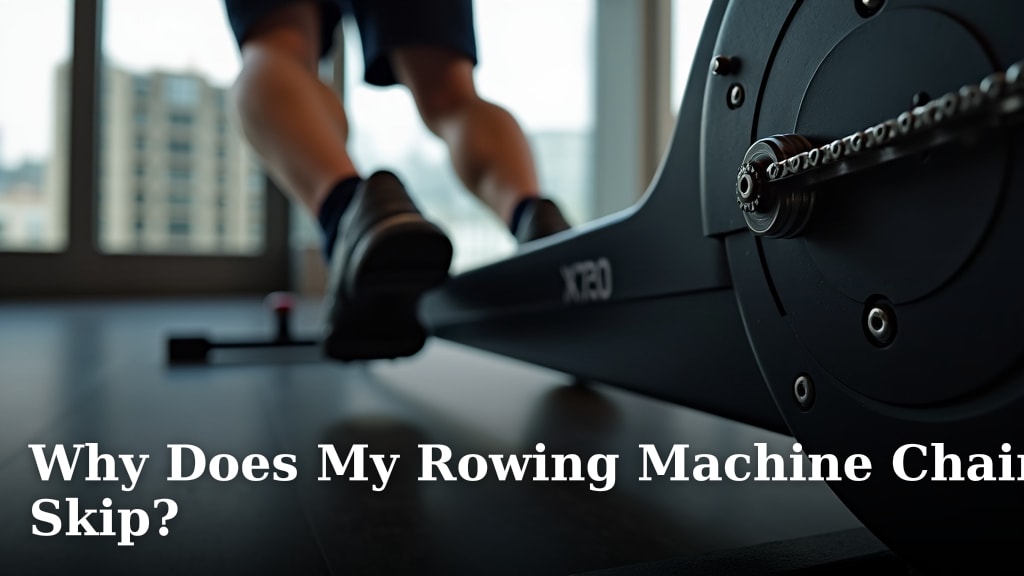
Your rowing machine chain might skip because it’s loose, worn out, or not properly lubricated. This is a common issue that can interrupt your workout. Addressing these simple causes often solves the problem quickly.
A skipping chain can be frustrating, turning a smooth workout into a jerky one. We’ve found that many users experience this when their machine needs basic maintenance. Keeping your rowing machine in good shape ensures a better, safer exercise session. Proper care is key to avoiding this annoyance.
- Chain is loose or too tight.
- Chain shows signs of wear and tear.
- Lack of proper lubrication.
- Incorrect chain alignment.
Let’s dive into why your rowing machine’s chain might be skipping and how you can fix it.
“`htmlUnderstanding Why Your Rowing Machine Chain is Skipping
It can be really annoying when your rowing machine’s chain skips. This usually happens during a workout. You might feel a sudden jerk or a loss of resistance. This interruption can totally throw off your rhythm. We’ve looked into common causes, and they often relate to basic maintenance. Thankfully, most skipping chain issues are fixable without a repair shop.
Let’s figure out what’s causing that skip. Understanding the root of the problem is the first step to a smoother workout. We’ll guide you through the potential culprits and their solutions.
The Chain: Tension and Fit
Your rowing machine’s chain needs the right amount of tension. Too loose, and it can jump off the gears. Too tight, and it can cause excessive wear or skip under load. Finding that sweet spot is key. Think of it like a guitar string – it needs to be taut, but not so tight it breaks.
Is Your Chain Too Loose?
A loose chain is perhaps the most frequent reason for skipping. Over time, chains can stretch slightly. This stretching can lead to slack. When you pull hard on the oars, this slack allows the chain to jump. You’ll often notice the skipping happens at the beginning of your stroke when resistance is highest.
Many rowing machines have an adjustment mechanism for chain tension. You might find bolts or screws near the flywheel or the rear pulley system. Consult your owner’s manual for the specific location and procedure for your model. Gently tightening the chain is usually the fix. Be careful not to overtighten it, though. Overtightening can cause other problems, like increased wear on components or a strained drivetrain.
Could Your Chain Be Too Tight?
While less common than a loose chain, a chain that’s too tight can also cause issues. A chain under excessive tension puts a lot of stress on the entire drivetrain. This can lead to premature wear. It can also cause the chain to bind or skip, especially at certain points in the stroke. You might hear a whining sound or feel unusual resistance.
If you’ve recently adjusted the chain, double-check your work. It’s easy to go a bit too far. Again, your user manual is your best friend here. It will likely describe the proper way to check chain tension. Often, there should be a small amount of play, maybe about half an inch, when you press on the chain.
Wear and Tear: An Aging Chain
Chains, like all mechanical parts, wear out over time. This is completely normal. Regular use causes friction. This friction can lead to links becoming slightly elongated or worn. A worn chain doesn’t mesh as well with the sprockets.
Inspecting for Damage
Take a close look at your rowing machine’s chain. Are there any visible signs of damage? Check for bent links, rust, or excessive grime. If you see any of these, it’s a strong indicator that the chain might be the culprit. Worn links often have a slightly different shape than new ones. They might look a bit flattened or elongated where they connect.
You can often feel the wear too. Gently try to twist a section of the chain. If it feels excessively loose or wobbly between links, it’s probably worn out. A new chain should feel snug and move smoothly. You can compare the feel to a new chain if you have access to one, or look for detailed diagrams in your manual.
When to Replace the Chain
If your chain shows significant wear or damage, it’s time for a replacement. Continuing to use a worn chain can damage other parts of your rowing machine, like the sprockets or the flywheel. Replacing the chain is often a straightforward process. You’ll need to ensure you get the correct type and length of chain for your specific model. Many manufacturers offer replacement parts directly.
We’ve found that replacing a worn chain can completely eliminate skipping issues. It’s a worthwhile investment to keep your machine running smoothly. A new chain will restore that crisp, consistent feel to your stroke. It also ensures your workout is effective and safe.
Lubrication: The Slippery Solution
Lubrication is vital for any moving mechanical part. For a rowing machine chain, it’s no different. A well-lubricated chain runs smoother. It experiences less friction. This reduces wear and tear. It also helps prevent rust and corrosion.
Why Lubrication Matters
When a chain is dry, the metal links grind against each other. This creates friction and heat. Friction is the enemy of smooth operation. It can cause the chain to stick or bind. When it binds and then suddenly releases, it can cause a skip. Think of trying to slide two dry pieces of wood past each other – it’s not smooth at all.
Proper lubrication creates a protective barrier. This barrier reduces friction. It allows the chain to move freely. This free movement is essential for a consistent stroke. Research consistently shows that lubrication extends the life of mechanical components (NCBI).
How to Lubricate Correctly
You’ll want to use a lubricant specifically designed for bicycle chains or general-purpose lubricant. Avoid using household oils or WD-40 as a primary lubricant. These can attract dust and may not provide long-lasting protection. First, clean the chain thoroughly. Use a degreaser or a clean cloth to remove any dirt or old gunk. Then, apply a small amount of lubricant to each roller and pivot point on the chain.
After applying the lubricant, run the chain through a few full revolutions. This helps distribute the lubricant evenly. Wipe off any excess lubricant with a clean rag. Too much lubricant can attract dirt, which defeats the purpose. Regular lubrication is key. We recommend doing this every few weeks, depending on how often you use your machine. Check your manual for specific recommendations.
Chain Alignment: A Straight Path
The chain needs to run perfectly straight between the front and rear sprockets. If the chain is misaligned, it can rub against the sides of the sprockets or guides. This rubbing causes friction. It can also lead to the chain not seating properly, causing it to skip.
Causes of Misalignment
Misalignment can happen for a few reasons. The machine might have been assembled incorrectly. Components could have shifted over time. Sometimes, a bent chain guard or a slightly off-kilter sprocket can cause it. You might notice the chain is always rubbing on one side of the sprocket.
You should inspect the path the chain takes. Ensure it moves smoothly from the drive sprocket near the flywheel to the rear pulley. Look for any obvious obstructions or bends. Sometimes, a quick adjustment of the chain’s tracking or a check of the sprockets can solve this. If you suspect a bent component, it may need replacement.
Other Potential Factors
While tension, wear, lubrication, and alignment are the most common culprits, a few other things could be at play. It’s good to be aware of them.
Sprocket Condition
The sprockets (the toothed wheels the chain wraps around) can also wear down. If the teeth on the sprockets become worn or damaged, they won’t grip the chain properly. This can lead to slipping, even if the chain itself is in good condition. Inspect the sprockets for any chipped or rounded teeth. If they look worn, they might need replacing along with the chain.
Environmental Factors
Believe it or not, the environment can play a small role. Extreme temperatures or humidity can affect how lubricants perform. Dirt and dust accumulation are also enemies of a clean, smooth chain. Keeping your rowing machine in a relatively clean, dry environment helps maintain its performance. Regular cleaning is a simple but effective step.
Quick Checklist for Your Skipping Chain
When your rowing machine chain starts skipping, don’t panic! Run through this quick checklist to pinpoint the issue:
- Check Chain Tension: Is it too loose or too tight? Adjust as needed.
- Inspect for Wear: Look for any damaged, stretched, or rusty links.
- Assess Lubrication: Is the chain dry? Clean and re-lubricate if necessary.
- Verify Alignment: Does the chain run straight on the sprockets?
- Examine Sprockets: Are the teeth on the sprockets worn or damaged?
- Clean the Area: Remove any accumulated dirt or debris around the chain and sprockets.
Addressing these points systematically will help you diagnose and fix that annoying skipping chain. A little bit of regular maintenance goes a long way!
“`Conclusion
Your rowing machine’s skipping chain is usually a sign that it needs a little attention. We’ve covered the most common culprits: chain tension, signs of wear and tear, inadequate lubrication, and poor alignment. By systematically checking these areas, you can often get your machine running smoothly again.
Don’t let a skipping chain derail your fitness goals. Take a few minutes for basic maintenance. Refer to your owner’s manual for specific adjustments. You’ll be back to enjoying a fluid, effective workout in no time!
Frequently Asked Questions
How often should I lubricate my rowing machine chain?
We recommend lubricating your chain every few weeks, depending on your usage frequency. Check your owner’s manual for the manufacturer’s specific recommendation. Proper lubrication prevents friction and extends the life of your chain.
Can a loose chain cause damage to my rowing machine?
Yes, a consistently loose chain can cause premature wear on the sprockets and other drivetrain components. It can also lead to jerky movements during your workout. Adjusting the tension promptly is important for machine longevity.
What’s the difference between a loose chain and a worn-out chain?
A loose chain feels slack and jumps easily, often at the start of your stroke. A worn chain may still be properly tensioned but has links that are stretched or damaged, causing it to mesh poorly with the sprockets and skip.
Can I use any type of lubricant on my rowing machine chain?
It’s best to use a lubricant designed for bicycle chains or a general-purpose lubricant. Avoid household oils or WD-40 as a primary lubricant, as they can attract dirt and may not offer adequate long-term protection.
What should I do if my rowing machine chain is rusted?
If your chain is rusted, first try to clean off the rust with a wire brush or degreaser. Then, lubricate it thoroughly. If the rust is extensive and the links are stiff or damaged, it’s likely time to replace the chain to ensure smooth operation.
