How Long On Rowing Machine For Beginners?
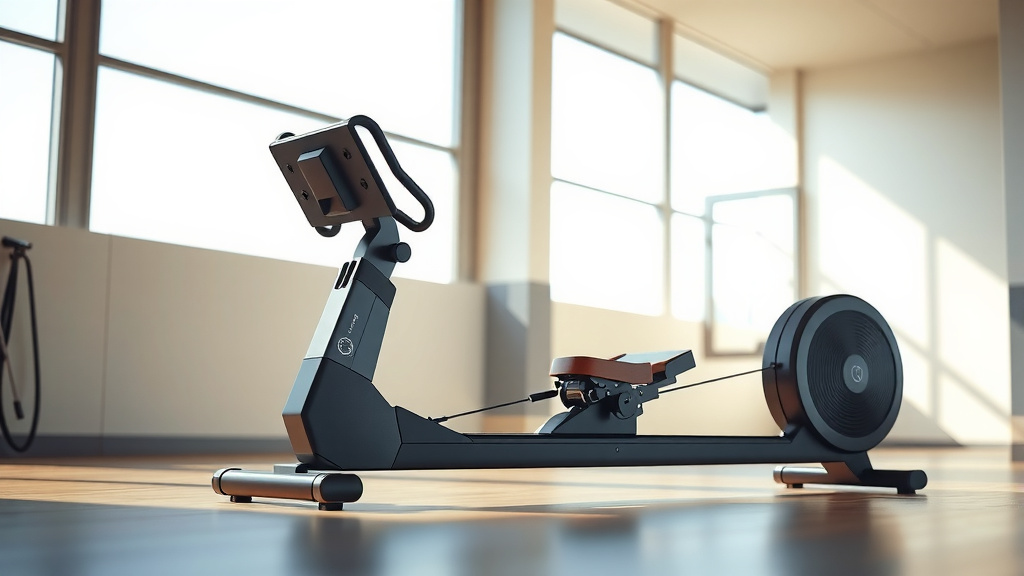
For beginners, start with 10-15 minutes on a rowing machine, focusing on proper form over speed or distance. This initial period helps your body adapt to the movement and prevents early burnout or injury.
Gradually increase your rowing time by 1-2 minutes per session or week as you feel comfortable and your stamina improves. Consistency is more important than length in the beginning.
- Start with just 10-15 minutes per session.
- Focus on good form first, not speed.
- Aim for 2-3 sessions per week initially.
- Increase time slowly, perhaps 1-2 minutes weekly.
- Listen to your body and rest when needed.
How Long On Rowing Machine For Beginners?
You should begin with 10-15 minute sessions on a rowing machine as a beginner. This allows your body to get used to the movement.
The Gentle Start: Your First Few Rows
Imagine learning to ride a bike. You don’t start with a marathon, do you? Rowing is similar. Your first few sessions are about getting the feel for it.
Many fitness experts recommend starting with a manageable duration. This builds a foundation without overwhelming your body (American College of Sports Medicine).
Aim for short, consistent workouts. Think of it as planting a seed; you water it regularly, not flood it once.
Why Shorter Workouts Are Better Initially
Beginning with shorter sessions has many benefits. It helps you prevent muscle soreness and fatigue.
You can also focus entirely on your rowing form. Good form is crucial to avoid injury and make your workouts effective.
Short workouts are less daunting, making it easier to stick to your new routine. Think of them as practice rounds for your body.
Mastering Your Form First
Before chasing distance, learn the proper rowing stroke. It’s a powerful, full-body movement.
The stroke has four phases: the catch, the drive, the finish, and the recovery. Focus on a smooth, connected motion.
Many guides suggest watching instructional videos. You can also row in front of a mirror to check your posture.
Building Stamina: Gradual Progression
Once 10-15 minutes feels easy, you can add more time. But don’t rush it.
We found that increasing your duration by 1-2 minutes per week works well. This slow increase lets your body adapt.
Consistency is your best friend here. Regular shorter rows are better than one long, exhausting session (Mayo Clinic).
Finding Your Rhythm and Frequency
How often should you row? As a beginner, 2-3 times per week is a solid goal. This gives your muscles time to recover.
Space out your workouts. For example, row on Monday, Wednesday, and Friday. This allows for rest days in between.
Listen to your body. If you feel tired, take an extra rest day. Skipping a day is fine; quitting is not.
Common Beginner Rowing Mistakes and How to Fix Them
Even with good intentions, beginners sometimes make mistakes. Recognizing them helps you fix them quickly.
Here’s a quick look at common errors and simple solutions to keep you on track:
| Mistake | Solution |
|---|---|
| Using arms too much | Focus on legs, core, then arms. Push with legs first. |
| Hunching your back | Keep your back straight, shoulders back. Engage your core. |
| Rushing the recovery | Go back slowly: arms, body, then legs. Take your time. |
| Setting resistance too high | Start with a lower damper setting (3-5). Focus on form, not power. |
Structuring Your Beginner Rowing Workout
A good beginner workout includes a warm-up, the main rowing, and a cool-down. This helps prevent injury and aids recovery.
A 5-minute warm-up can include light cardio and dynamic stretches. Think arm circles and leg swings.
Your main rowing session should be 10-15 minutes at a comfortable pace. You should be able to hold a conversation.
Finish with a 5-minute cool-down. Gentle stretching of your hamstrings, back, and shoulders is perfect.
The Importance of Warm-Up and Cool-Down
Skipping these steps is like trying to drive a cold car at top speed. It’s not good for the engine.
A warm-up prepares your muscles and heart for exercise. It increases blood flow and flexibility (NIH).
Cool-downs help your heart rate return to normal. They also aid in removing waste products from your muscles, possibly reducing soreness.
When to Increase Your Rowing Time
How do you know when it’s time to add more minutes? Your body will give you clear signals.
When your usual 10-15 minute row feels too easy, that’s a sign. You might not feel challenged anymore.
If you can maintain good form and a comfortable pace without feeling overly tired, it’s a good moment to increase.
Many experts suggest increasing by 1-2 minutes per session. You could aim for 30 minutes eventually.
Listening to Your Body: The Best Guide
Your body is the ultimate expert. Pay attention to how you feel during and after your workouts.
Are you breathing heavily but not gasping? That’s a good sign. Are you struggling to finish? Maybe hold off on increasing the time.
Fatigue and pain are signals to rest. Don’t push through sharp pain. It’s not worth it.
Benefits You’ll See (Beyond Time)
Rowing offers a fantastic full-body workout. It engages 86% of your muscles, making it highly efficient.
You’ll notice improved cardiovascular health. Your heart and lungs will get stronger.
It also builds strength in your legs, core, back, and arms. Plus, it’s low-impact, which is kind to your joints (Cleveland Clinic).
- Full-body muscle engagement
- Improved heart health
- Increased muscle strength
- Low joint impact
- Enhanced stamina and endurance
Making Rowing a Sustainable Habit
The goal isn’t just to row for a few weeks; it’s to make it a lasting habit. How do you do that?
Find a workout buddy. Or set small, achievable goals. These strategies can help keep you motivated.
Remember why you started. Was it for better health, more energy, or just to try something new? Keep that goal in mind.
Checklist for Beginner Rowing Success:
- Start with 10-15 minutes, 2-3 times a week.
- Prioritize proper form over speed.
- Increase time slowly, by 1-2 minutes each week.
- Listen to your body for signs of fatigue or readiness.
- Include a warm-up and cool-down every session.
- Stay consistent; regular workouts yield better results.
Conclusion
Starting your rowing journey is exciting. For beginners, the focus should always be on gradual progress and proper form, not on how long you can row initially. Begin with short, manageable sessions of 10-15 minutes, and slowly add more time as your strength and stamina build. Listen to your body, celebrate small victories, and stay consistent. Before you know it, you’ll be rowing longer and stronger, enjoying all the incredible benefits this full-body workout brings.
How many calories do you burn in 10 minutes of rowing?
The exact number of calories burned in 10 minutes of rowing varies greatly. It depends on your weight, intensity, and individual metabolism. However, a person weighing around 150 pounds might burn approximately 80-125 calories in 10 minutes of moderate-intensity rowing. Heavier individuals or those rowing at a higher intensity will burn more.
Is rowing 15 minutes a day enough for a beginner?
Yes, 15 minutes of rowing a day is an excellent starting point for a beginner. It’s enough to begin building cardiovascular fitness, strength, and endurance without overtraining. Consistency with these shorter sessions is key to seeing progress and developing a sustainable habit. As you get fitter, you can gradually increase the duration or intensity.
What is a good beginner pace on a rowing machine?
A good beginner pace on a rowing machine focuses on control and form rather than speed. Aim for a stroke rate of 20-24 strokes per minute. Your split time (the time it takes to row 500 meters) might be anywhere from 2:30 to 3:00 minutes or even higher. The goal is a smooth, powerful, and controlled stroke, not a fast one.
Should I row every day as a beginner?
No, rowing every day is generally not recommended for beginners. Your body needs time to recover and adapt to the new demands. Starting with 2-3 sessions per week with rest days in between is more effective for building strength and preventing injury. As you gain fitness, you might increase to 4-5 times a week, but always incorporate rest.
Can rowing machines help you lose weight?
Yes, rowing machines can definitely help with weight loss. Rowing is a high-calorie-burning exercise that engages many major muscle groups, boosting your metabolism. Combining regular rowing workouts with a balanced, healthy diet is a highly effective strategy for burning fat and achieving weight loss goals.