How Long To Row 5K On Rowing Machine?
On average, most individuals can expect to row a 5K on a rowing machine in about 20 to 25 minutes.
However, your personal 5K rowing machine time can vary significantly based on your fitness level, technique, and overall effort.
- A typical 5K row takes 20-25 minutes for most people.
- Beginners might take 25-30 minutes or more, while advanced rowers can finish in under 20 minutes.
- Your time depends on fitness, technique, and how you pace yourself.
- Improving your form and consistent training are key to getting faster.
How Long To Row 5K On Rowing Machine?
A typical 5K row takes most people between 20 and 25 minutes. This can shift depending on your fitness and how you approach the workout.
What Influences Your 5K Rowing Time?
Many factors come into play when you sit down for a 5K row. It’s not just about strength. Think of it like baking; all the ingredients matter.
Your Current Fitness Level Matters
If you’re new to rowing, your time will likely be longer. Someone who rows regularly will naturally finish much faster (American Council on Exercise).
Your cardiovascular endurance and muscular strength are both big players here. The more you train, the more efficient your body becomes.
Technique is Absolutely Key
Good rowing form isn’t just for avoiding injury; it’s a major speed booster. Proper technique ensures you use your legs, core, and arms efficiently.
Many experts say that even a highly fit person with poor technique will be slower than a moderately fit person with excellent form (Concept2 research).
Your Pacing Strategy
Do you sprint out of the gate and fade? Or do you start slow and build? How you distribute your energy over the 5,000 meters makes a huge difference to your final time.
Finding a sustainable pace from the start can help you avoid burning out too early. Think of it like a marathon, not a sprint.
Average 5K Rowing Times by Fitness Level
To give you a clearer picture, let’s look at some general timeframes. Remember, these are just guidelines, and everyone’s journey is unique.
| Fitness Level | Typical 5K Time | Target Pace (per 500m) |
|---|---|---|
| Beginner Rower | 25-30+ minutes | 2:30-3:00+ |
| Intermediate Rower | 20-25 minutes | 2:00-2:30 |
| Advanced Rower | Under 20 minutes | Sub 2:00 |
Beginner Rowers
If you’re just starting, aiming for under 30 minutes is a solid goal. Focus on learning the movement and building endurance. Don’t worry about raw speed yet.
Intermediate Rowers
Once you’ve got the basics down, pushing for that 20-25 minute window is common. This involves more structured workouts and attention to your split times.
Advanced Rowers
For those with years of experience and dedicated training, finishing a 5K in under 20 minutes is the benchmark. This requires significant power, endurance, and refined technique.
Breaking Down Your 5K Row: Pacing Strategies
Knowing your target time is one thing; achieving it is another. Your strategy for those 5,000 meters makes all the difference.
The Steady State Approach
This means holding a consistent, comfortable pace throughout the entire 5K. It’s often recommended for building endurance and is less taxing mentally.
Many experts suggest a steady state pace where you can still hold a conversation, albeit a slightly breathless one (British Rowing guidance).
Interval Training for Speed
To get faster, you need to challenge your body. Interval training, where you alternate between high-intensity bursts and recovery periods, is incredibly effective.
For example, you might row 500 meters hard, then 500 meters easy, repeating several times. This builds both speed and your ability to recover quickly.
Practical Tips to Improve Your 5K Time
Want to shave some minutes off your next 5K? We found that small, consistent changes can lead to big results. Ready to feel the burn?
Focus on Your Form
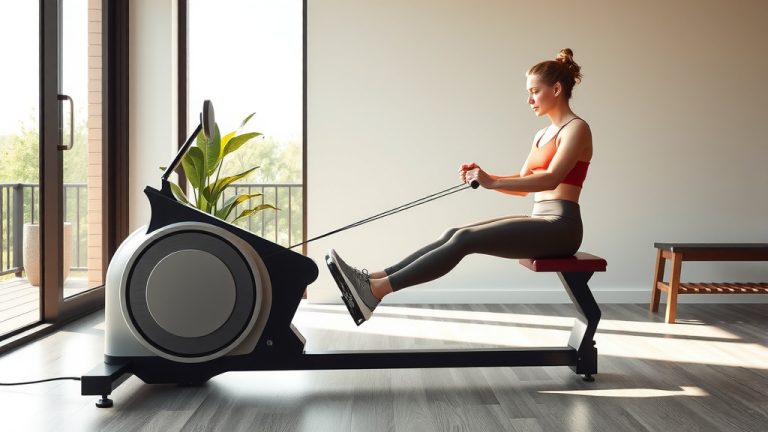
Good technique maximizes power and minimizes wasted energy. Remember the “catch, drive, finish, recovery” sequence. The legs initiate the drive, then the core, then the arms (Concept2).
Many online resources offer excellent visual guides. Watching videos of proper form can help you identify areas for improvement in your own stroke.
Strengthen Your Core
A strong core connects your upper and lower body, making your stroke more powerful. Planks, Russian twists, and crunches are your best friends here.
Research often connects core strength to overall athletic performance and injury prevention (NIH). Don’t skip the ab work!
Consistency is Your Friend
You won’t get faster by rowing once a month. Regular practice, even just 3-4 times a week, will build the endurance and strength you need. It’s like tending a garden; daily care yields the best blooms.
Common Mistakes to Avoid
Even seasoned rowers can fall into bad habits. Being aware of these common pitfalls can help you train smarter, not just harder.
Starting Too Fast
The “start fast, fade fast” strategy rarely works for a 5K. You’ll deplete your energy too early, making the second half of the row feel incredibly tough.
It’s better to start at a sustainable pace and then, if you feel good, gradually increase your intensity towards the end.
Ignoring Recovery
Your body needs time to repair and rebuild after tough workouts. Skipping rest days or proper nutrition can lead to burnout and even injury.
Many guidelines point to adequate sleep and balanced nutrition as essential for performance gains (Mayo Clinic). Listen to your body!
Checklist for a Better 5K Row:
- Warm up properly: Get those muscles ready for action.
- Maintain consistent strokes: Aim for a steady stroke rate.
- Focus on leg drive: Power comes from your push off the footplate.
- Breathe rhythmically: Match your breath to your stroke.
- Cool down and stretch: Help your muscles recover.
Conclusion
Rowing a 5K on a machine is a fantastic way to challenge yourself and boost your fitness. While 20-25 minutes is a common benchmark, your time is uniquely yours.
By focusing on proper technique, smart pacing, and consistent training, you can absolutely improve your performance. Every stroke brings you closer to your goal. So, hop on that rower and enjoy the journey to a faster you!
How Can I Calculate My Target 5K Rowing Pace?
To calculate your target 5K rowing pace, divide your desired total time (in seconds) by 10 (since 5K is 10 segments of 500 meters). This gives you your average 500m split time. For example, a 20-minute (1200-second) 5K means a 2:00 (120-second) per 500m average pace.
Is Rowing a 5K Good for Weight Loss?
Yes, rowing a 5K is excellent for weight loss. It’s a full-body workout that burns a significant amount of calories, improves cardiovascular health, and builds muscle. Consistency and combining it with a healthy diet are key for effective weight management.
What Muscles Does Rowing a 5K Primarily Work?
Rowing a 5K works a wide range of muscles across your entire body. It primarily engages your legs (quads, hamstrings, glutes) in the drive, your core (abs, lower back) for stability and power transfer, and your upper body (back, shoulders, arms) in the pull and finish of the stroke.
How Often Should I Row 5K to See Improvement?
To see consistent improvement in your 5K rowing time, many experts recommend rowing 3-4 times per week. This allows for adequate recovery while providing enough stimulus for your body to adapt and get stronger and fitter. You might mix in some shorter, high-intensity rows with longer, steady-state sessions.
Can I Row 5K Every Day?
While some advanced athletes might row daily, most people should avoid rowing a full 5K at maximum effort every single day. Your body needs rest and recovery to prevent overtraining and injury. Incorporating active recovery days or varying your intensity and distance is a smarter, more sustainable approach for long-term progress.