How Many Meters Is A 5K On A Rowing Machine?
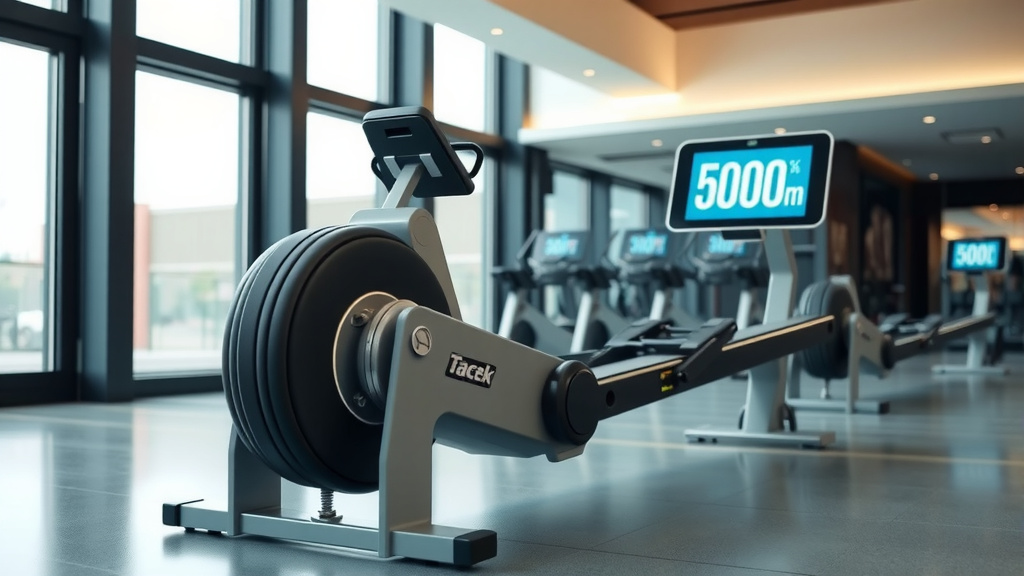
On a rowing machine, a 5K is equivalent to 5,000 meters.
This distance represents a significant endurance challenge and a common benchmark for rowers.
Here’s a quick overview of what you’ll discover about your 5K row:
- A 5K on a rower is precisely 5,000 meters, a standard fitness challenge.
- Rowing this distance builds endurance and offers a full-body workout.
- Effective pacing and proper form are key to completing your 5K successfully.
- You can break down the 5,000 meters into smaller, manageable segments.
- Consistency and tracking your progress will help you improve your 5K time.
How Many Meters Is A 5K On A Rowing Machine?
A 5K on a rowing machine measures exactly 5,000 meters. It’s a classic distance in the rowing world, testing both your strength and your stamina.
Think of it like a 5K run, but instead of pounding the pavement, you’re pulling with power and grace.
Why Row a 5K on Your Machine?
Rowing a 5K offers incredible benefits for your fitness journey. You’re engaging about 86% of your muscles in every stroke.
It’s a fantastic way to boost cardiovascular health and build endurance (American College of Sports Medicine).
Plus, it’s low-impact, meaning less stress on your joints compared to running. This makes it a smart choice for many fitness levels.
Understanding Your Rowing Machine’s Display
Your rowing machine’s monitor is your best friend during a 5K. It provides real-time feedback on your performance.
You’ll see metrics like meters rowed, split time (time per 500 meters), strokes per minute (SPM), and total time.
How Distance Is Tracked
The machine tracks distance by measuring the force and length of each stroke. It adds up these individual strokes to show your total meters.
Most modern machines, like Concept2, are very accurate in their distance calculations. You can trust the numbers you see.
Preparing for Your First 5K Row
Getting ready for a 5K on the rower doesn’t have to be daunting. A little preparation goes a long way.
Ensure you’re hydrated and have eaten a light, energy-rich meal a couple of hours beforehand.
Warming Up Right
A good warm-up is essential to prevent injury and prepare your body. Start with 5-10 minutes of light rowing.
Gradually increase your stroke rate and intensity. Finish with some dynamic stretches focusing on your hips, hamstrings, and shoulders.
Pacing Strategies
Pacing is critical for a successful 5K row. Going out too fast can lead to early burnout. Think of it like a marathon, not a sprint.
Many experts suggest a negative split strategy, meaning you aim to row the second half faster than the first (British Rowing).
Here’s a common pacing approach:
| Segment | Distance (Meters) | Strategy |
|---|---|---|
| Start | 0-500m | Strong start, then settle into a sustainable pace. |
| Middle | 500m-4000m | Maintain consistent stroke rate and power. |
| Finish | 4000m-5000m | Gradually increase intensity and sprint the last 250m. |
Breaking Down the 5000 Meters
Mentally breaking down the 5K can make it feel more manageable. Focus on completing smaller chunks of distance.
Maybe aim for 1,000-meter segments, or even 500-meter blocks. Celebrate each mini-milestone.
The Middle Segment
The middle 3,000 meters (from 1000m to 4000m) is where your mental game truly comes in. This is where consistency matters most.
Try to maintain a steady split time here. Focus on your breathing and efficient technique.
The Final Push
When you hit the 4,000-meter mark, you’re in the home stretch! It’s time to dig deep and start increasing your effort.
Don’t be afraid to push your limits in these final 1,000 meters. Empty the tank when you see those last few hundred meters ticking down.
Tracking Your Progress Over Time
Tracking your 5K times is incredibly motivating. It shows you how far you’ve come and inspires future goals.
Many rowing machines allow you to save your workout data. You can also use a simple fitness log.
Here’s what to look for when tracking your progress:
- Your overall 5K time.
- Your average split time (e.g., /500m).
- Consistency of your stroke rate (SPM).
- How you felt during the row.
- Any changes in your training leading up to it.
Common 5K Rowing Mistakes to Avoid
We all make mistakes, especially when starting out. Being aware can help you sidestep common pitfalls.
Don’t compromise your form for speed. Proper technique is always more efficient and safer.
Another common error is starting too fast. You want to finish strong, not fade early on.
What If You Can’t Do a Full 5K Yet?
That’s perfectly fine! Every rower starts somewhere. The goal is progress, not perfection.
You can break down the 5K into shorter intervals. Try rowing 1,000 meters, taking a break, and then repeating.
Focus on building your endurance gradually. Aim for consistent, shorter rows before tackling the full 5K distance.
Conclusion
A 5K on a rowing machine is a rewarding challenge, measuring 5,000 meters of pure effort. It’s an exceptional way to build stamina and strength, offering a comprehensive workout.
By understanding your machine, strategizing your pace, and maintaining proper form, you can conquer this distance.
Remember, consistency is your key to improvement. Keep rowing, keep pushing, and celebrate every meter you achieve!
How long does it typically take to row a 5K?
The time to row a 5K varies widely based on fitness level. Many intermediate rowers complete it in 20-25 minutes. Elite athletes might finish under 18 minutes, while beginners might take 25-30+ minutes.
Is rowing 5K a good workout?
Yes, rowing a 5K is an excellent full-body workout. It engages major muscle groups in your legs, core, and upper body, while also providing a strong cardiovascular challenge.
What is a good average split time for a 5K row?
A good average split time for a 5K row often falls between 2:00 and 2:30 per 500 meters for general fitness. More advanced rowers might aim for under 1:55 per 500 meters.
Can I improve my 5K rowing time quickly?
Consistent training and focus on technique can certainly improve your 5K rowing time. Incorporate a mix of steady-state rows and interval training, and track your progress regularly.
Should I row a 5K every day?
While rowing is low-impact, rowing a 5K every day might be too much for your body, especially if you’re new to it. Aim for 3-4 times a week, allowing for rest and recovery, or vary your workouts with shorter rows on other days.