What Is Proper Form For Rowing Machine?
Proper form for a rowing machine involves a smooth, powerful sequence through four key phases: the Catch, Drive, Finish, and Recovery.
It is essential to engage your legs, core, and arms correctly to maximize your workout efficiency and prevent injury while using the rowing machine.
Here’s the quick take on mastering your rowing machine form:
- The stroke is a full body motion, not just arms.
- Focus on a strong leg drive first, then lean back, then pull with arms.
- Reverse this order for the recovery: arms away, body forward, then legs bend.
- Keep your core tight and back straight to protect your spine.
- Practice each phase slowly to build muscle memory and avoid common mistakes.
What Is Proper Form For Rowing Machine?
Proper rowing machine form is a harmonious movement pattern that engages about 85% of your muscles with each stroke. It’s all about smooth power and controlled return.
So, you’ve decided to hop on a rowing machine, sometimes called an ergometer or “erg” for short. Great choice! This machine offers an amazing, full-body workout with low impact. But without the correct technique, you might miss out on benefits or even risk injury. Let’s make sure you’re rowing like a pro from day one.
Understanding the Four Phases of the Rowing Stroke
Think of your rowing stroke as a dance with four distinct steps. Each step flows into the next, creating a single, powerful motion. Getting these steps right is key to efficient and safe rowing.
The Catch: Ready, Set, Go!
This is your starting position. Sit tall with your knees bent, shins vertical. Your arms should be straight, reaching forward, and your hands holding the handle. Lean your body slightly forward from your hips, keeping your back straight. Many experts say your shoulders should be relaxed (Mayo Clinic). It should feel like you’re coiled and ready to spring.
The Drive: Power from the Legs
This is where the magic happens and where most of your power comes from. Push off with your feet, extending your legs first. Keep your arms straight for now. As your legs extend, gently lean your torso back slightly, then pull the handle towards your upper abdomen or lower chest. Imagine your legs driving the boat away.
The Finish: Lean Back, Pull In
At the finish, your legs should be fully extended. Your body will be leaning back a little, past vertical. The handle should be at your sternum or slightly below, with your elbows bent and close to your sides. Your core should be engaged throughout this phase. This position is powerful, but not overextended.
The Recovery: The Return Journey
This phase is the reverse of the drive, but in a specific order. First, extend your arms forward, pushing the handle away from your body. Next, pivot your body forward from the hips. Only then, once your hands clear your knees, allow your knees to bend and slide forward. This order ensures a smooth and controlled return to the catch position.
Why Good Form Makes All the Difference
Good form isn’t just about looking good; it’s about maximizing your effort and staying healthy. When you row with proper technique, you get a better workout for more muscle groups. It helps you burn more calories and build strength more effectively.
- Prevents injuries: Incorrect form can strain your back, wrists, or knees.
- Boosts efficiency: You use your body’s power correctly, making each stroke count.
- Engages more muscles: A proper stroke activates your legs, core, back, and arms.
- Improves endurance: Smooth, controlled movements conserve energy better.
Common Rowing Form Mistakes to Avoid
We all make mistakes, especially when learning something new! On the rowing machine, some errors are really common. These often limit your power or, worse, put you at risk for strains. Research often connects poor technique with lower back discomfort (NIH).
| Common Mistake | The Fix |
|---|---|
| Pulling with arms too early | Push with legs first, then lean back, then pull. |
| Hunching your back | Keep your spine long and straight; engage your core. |
| Opening up too soon | Extend arms first on recovery, then body forward, then bend knees. |
| Gripping too tightly | Keep a relaxed grip; let the handle rest in your fingers. |
| “Butt slide” (lifting off seat) | Press through heels evenly; avoid bouncing at the catch. |
Your Pre-Row Checklist: Machine Setup
Before you even take your first stroke, a quick setup can make a huge difference. Taking a moment to adjust your machine means you can focus on your form without distraction.
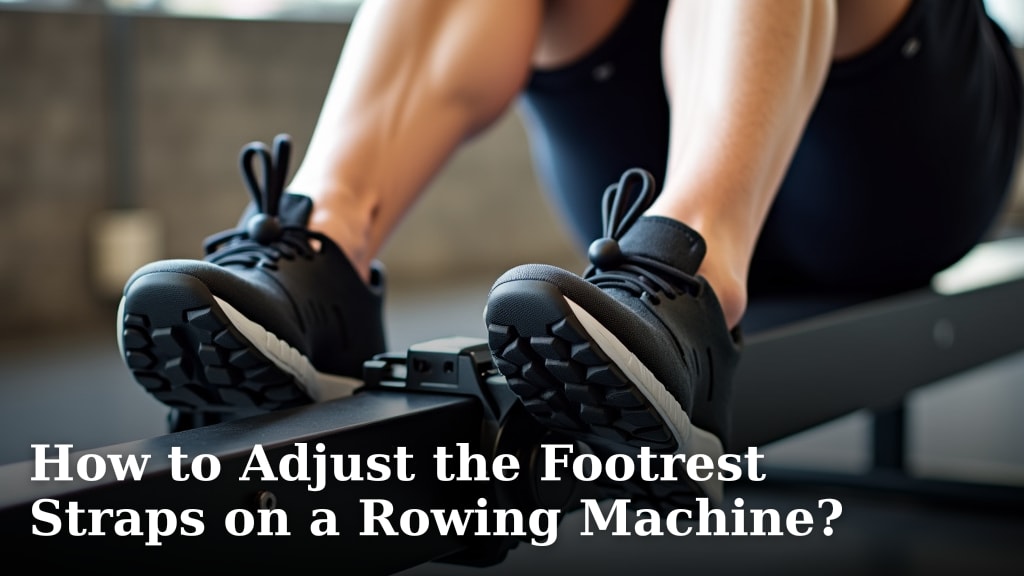
- Foot Straps: Adjust them so the strap goes across the balls of your feet. This secures you without being too tight.
- Damper Setting: This isn’t a resistance setting! It controls how much air enters the fan. A higher setting means more air resistance. Start with a middle setting (around 3-5) and adjust based on what feels right for a smooth stroke. Many guidelines point to a mid-range damper for effective workouts (Concept2).
- Clean Seat Rail: Ensure the rail is clear of any debris for a smooth slide.
Breathing Right: Syncing with Your Stroke
Good breathing is as important as good form for sustained effort. You’ll want to find a rhythm that works for you. Generally, many rowers find it helpful to exhale during the drive and inhale during the recovery. Think of it as pushing the air out as you exert force.
Simple Drills to Sharpen Your Form
Feeling a bit awkward? That’s totally normal. Try these simple drills to break down the stroke and build muscle memory for proper form.
Pause Drills
Row for a few strokes, then pause at a key point (like the finish, or at arms-and-body-forward during recovery). Hold for a moment, feel the position, then continue. This helps you feel each segment.
Legs Only Rowing
Keep your body leaning forward slightly, arms straight. Just push off with your legs, letting your body pivot slightly, then return. Focus purely on the power from your legs. This isolates the most powerful part of the stroke.
Body Swing Only
Keep your legs extended and arms straight. Pivot back and forth from your hips. This helps you understand the role of your core and body lean without other movements.
Listening to Your Body: Pain vs. Effort
Rowing is a workout, so you’ll feel effort, maybe even some muscle soreness later. But sharp pain, especially in your lower back or knees, is a big red flag. If you feel pain, stop. Check your form, or even take a break. Your body is giving you important signals. It’s about finding that sweet spot where you’re working hard but not harming yourself. We found that discomfort can guide you to adjust your technique.
Conclusion
Mastering proper form for the rowing machine is a journey, not a destination. It takes practice, patience, and a willingness to pay attention to how your body moves. By focusing on the four phases – Catch, Drive, Finish, and Recovery – and addressing common mistakes, you’ll unlock the full potential of this amazing fitness tool. Remember to start slow, prioritize technique over speed, and always listen to your body. Happy rowing!
How do I prevent lower back pain on a rowing machine?
To prevent lower back pain, keep your back straight and engage your core muscles throughout the stroke. Avoid hunching or rounding your back, especially at the catch position. Focus on initiating the drive with your legs and leaning from your hips, not by bending your spine. Many experts say maintaining a strong core is vital for back health (Cleveland Clinic).
Should I wear special shoes for rowing?
You don’t need “special” shoes, but flat-soled athletic shoes are ideal. Running shoes with thick, cushioned heels might absorb some of your leg drive power. Look for shoes that offer a stable base and allow your feet to stay secure in the foot straps.
How fast should my recovery phase be?
A common guideline is to have your recovery phase be roughly twice as long as your drive phase. For example, if your drive takes one second, your recovery should take two seconds. This slower, controlled return helps you maintain control and prepare for the next powerful stroke. It helps you regain your breath and position.
Can I row with just my arms?
While you certainly can, rowing with just your arms largely defeats the purpose of the machine. The rowing machine is designed for a full-body workout, with about 60% of the power coming from your legs. Focusing only on your arms will quickly tire them out and neglect other major muscle groups, making the workout less effective.
What is a good stroke rate for beginners?
For beginners, a stroke rate between 18 and 24 strokes per minute (spm) is a good starting point. Focus on executing each stroke with proper form, rather than trying to achieve a high stroke rate. As your technique improves, you can gradually increase your rate while maintaining efficiency and power.