
Is A Rowing Machine A Full Body Workout?
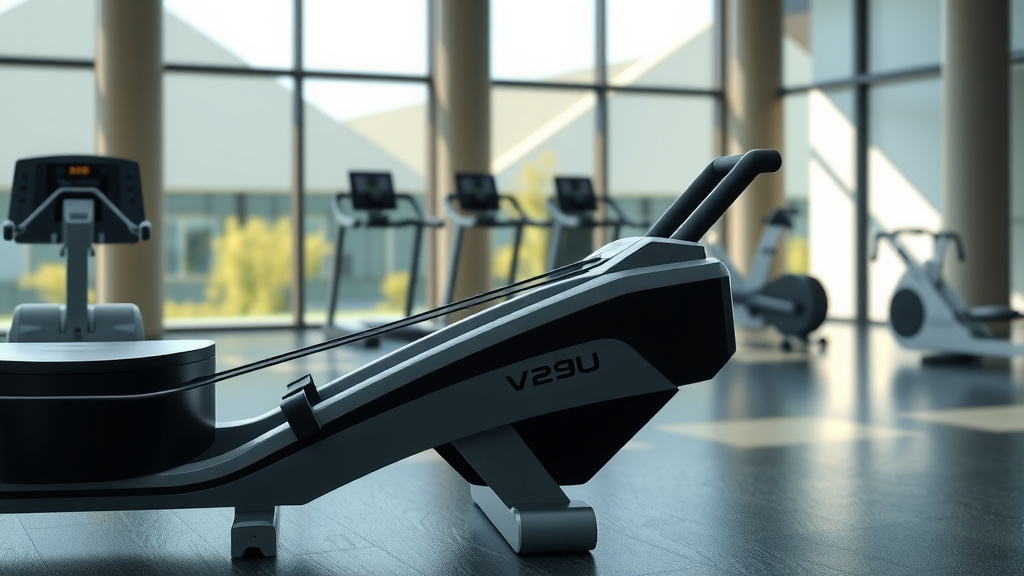
Yes, a rowing machine provides a comprehensive full body workout, engaging over 85% of your muscles across major muscle groups.
It effectively targets your legs, core, and upper body simultaneously, making it one of the most efficient exercise options you can choose.
- A rowing machine offers a true full-body workout, hitting nearly every major muscle in your body.
- You’ll engage your legs (quads, hamstrings, glutes), core (abs, back), and upper body (arms, shoulders, back) with each stroke.
- It’s a fantastic low-impact cardio and strength builder that is gentle on your joints.
- Perfect for boosting endurance, burning calories effectively, and building lean muscle tissue.
- Discover how rowing can truly transform your fitness journey, delivering benefits from head to toe.
Is A Rowing Machine A Full Body Workout?
You might be wondering if a rowing machine truly delivers on its promise of a full body workout. The short answer is a resounding yes!
Many experts agree that rowing stands out as one of the most complete fitness machines available (American Council on Exercise).
What Muscles Does Rowing Really Work?
When you sit down on a rower, you’re not just moving your arms. Each stroke is a coordinated dance involving many muscle groups.
You get a balanced blend of strength training and cardio, all in one smooth motion. It’s truly a synergistic movement pattern.
Your Powerful Legs
The drive phase of rowing, where you push off the foot stretcher, is where your legs do most of the heavy lifting.
You’ll activate your quadriceps, hamstrings, and glutes, making rowing an excellent way to build lower body strength.
Think of it like a powerful squat, repeated smoothly. Your legs are the engine of the stroke.
The Core Connection
Your core muscles play a significant role in connecting your upper and lower body throughout the rowing stroke.
They help stabilize your spine and transmit power from your legs to your upper body. You’ll feel your abdominal muscles and lower back working.
A strong core is essential for efficient rowing and helps prevent injury, as we found in much research.
Upper Body Engagement
While your legs initiate the movement, your upper body finishes the stroke with a powerful pull towards your chest.
This engages your back muscles, including your lats, rhomboids, and traps. Your biceps and shoulders also contribute to the pull.
It’s not just an arm workout; your entire upper back gets a thorough challenge.
| Muscle Group | Primary Role in Rowing |
|---|---|
| Legs (Quads, Hamstrings, Glutes) | Powerful push-off (60% of work) |
| Core (Abs, Lower Back) | Stabilization and power transfer (20% of work) |
| Upper Back (Lats, Rhomboids) | Pulling the handle towards body |
| Arms (Biceps, Forearms) | Finishing the pull and grip |
| Shoulders (Deltoids) | Support and stabilization during pull |
Rowing: More Than Just Muscle
A rowing machine provides more than just muscle engagement. It brings a host of other fitness benefits to your routine.
It’s an incredibly versatile piece of equipment for almost any fitness goal. Many people use it for overall wellness.
Cardio Powerhouse
Rowing elevates your heart rate quickly, offering a fantastic cardiovascular workout. This helps improve heart health and stamina.
You can adjust the intensity to fit your needs, from a steady-state cardio session to high-intensity interval training (HIIT).
Low Impact, High Reward
Unlike running or jumping, rowing is a low-impact exercise. This means it’s gentle on your joints, like your knees and hips.
It’s an ideal choice for people recovering from injuries or those who need a joint-friendly workout. We found this is a key benefit.
Calorie Burn Champion
Because rowing uses so many muscle groups simultaneously, it burns a significant number of calories in a short amount of time.
This makes it an effective tool for weight management and fat loss when combined with a healthy diet.
The Full Body Workout Checklist for Rowing
To truly get the most from your rowing machine, make sure you’re ticking these boxes during your workout.
You want to ensure every stroke counts towards your fitness goals. This checklist helps keep you on track.
- Are you using your legs to push off powerfully?
- Is your core braced and engaged throughout the stroke?
- Are your back muscles initiating the pull?
- Is your breathing steady and controlled?
- Are you maintaining good posture from start to finish?
- Are your movements fluid and connected?
How to Maximize Your Full Body Rowing Workout
Getting a great workout on a rower isn’t just about showing up. A few simple tweaks can make a big difference.
You want to ensure you’re getting the most bang for your buck with every session. Your efforts will pay off!
Master Your Technique
Proper form is king in rowing. Focus on the sequence: legs, core, then arms on the drive; reverse on the recovery.
This ensures you’re activating the correct muscles and prevents strain. Watching some technique videos can be very helpful.
Vary Your Workouts
Don’t fall into a routine rut. Mix up your sessions with different intensities and durations.
Try short, intense intervals one day and longer, steady-state rows another. This keeps your body challenged and prevents plateaus.
Consistency is Your Ally
Like any exercise, regularity is key to seeing results. Aim for consistent rowing sessions each week.
Even short, frequent workouts are better than occasional long ones. Building a habit is your best strategy.
Common Myths About Rowing Machines
There are a few misconceptions floating around about rowing machines. Let’s clear them up for you.
Understanding the truth helps you better appreciate this fantastic exercise option. Don’t let myths hold you back.
Is it Just for Arms?
Absolutely not! This is one of the biggest myths. As we’ve discussed, your legs do the majority of the work (around 60%).
Your core and back muscles are also heavily involved. Arms are the last part of the pull, providing the final finish to the stroke.
Is it Bad for Your Back?
When performed with proper technique, rowing is actually quite good for your back. It strengthens the core muscles supporting your spine.
However, poor form, especially excessive rounding of the lower back, can cause issues. Focus on a strong, neutral spine (Mayo Clinic).
Conclusion
To answer your question directly, yes, a rowing machine absolutely provides a full body workout. It efficiently engages your legs, core, and upper body in a fluid, low-impact motion.
This makes it an outstanding choice for building strength, improving cardiovascular health, and burning calories. Embracing the rower can truly transform your fitness journey, offering a comprehensive and rewarding exercise experience.
Is Rowing Good for Weight Loss?
Yes, rowing is very effective for weight loss. It burns a high number of calories because it activates so many muscle groups simultaneously. Combining consistent rowing with a balanced diet can lead to significant fat loss and improved body composition.
How Long Should I Row for a Full Body Workout?
For a solid full body workout, aim for 20-30 minutes of continuous rowing at a moderate intensity, 3-5 times a week. If you’re doing high-intensity interval training (HIIT), shorter sessions of 15-20 minutes, including warm-up and cool-down, can be very effective.
Can Rowing Build Muscle?
While rowing is often seen as cardio, it definitely builds muscle, particularly in your legs, glutes, core, and back. It offers a unique blend of muscular endurance and strength, helping to create lean muscle mass. For greater muscle hypertrophy, you might add some strength training.
Is Rowing a Good Alternative to Running?
Rowing is an excellent alternative to running, especially if you need a low-impact option. It provides a similar cardiovascular benefit but without the repetitive joint stress. Plus, rowing offers a much more complete full body muscle engagement compared to running, which is primarily lower body.
What’s the Best Way to Start Rowing as a Beginner?
As a beginner, focus on learning proper technique first to prevent injury and maximize your workout. Start with shorter sessions (10-15 minutes) at a light to moderate intensity. You can watch online tutorials or consider a beginner’s rowing class to grasp the correct form and sequence of the stroke.
