
What Is A Rowing Machine Called?
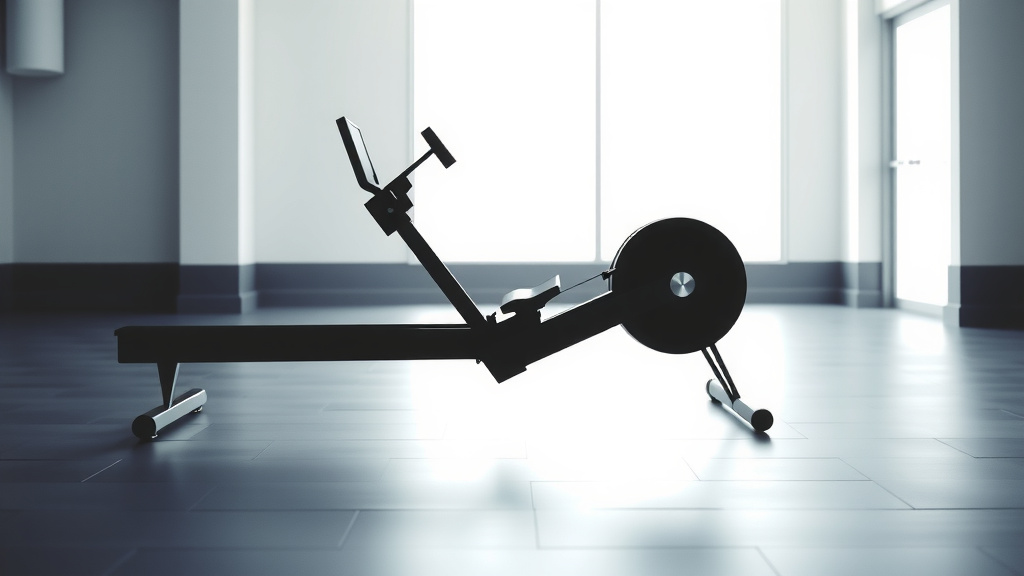
A rowing machine is commonly called a rower, indoor rower, or ergometer.
These names all refer to the same full-body fitness device that mimics the action of rowing a boat on water.
TL;DR:
- A rowing machine is also known as a rower, indoor rower, or ergometer.
- It provides a full-body workout, engaging around 86% of your muscles.
- Rowers come in different types, including air, magnetic, water, and hydraulic.
- Choosing the right one often depends on your fitness goals and budget.
- Regular rowing offers excellent cardio benefits and muscle strengthening for all fitness levels.
What Is A Rowing Machine Called?
When you hear someone talk about a rowing machine, they are often referring to an indoor rower or an ergometer. All these terms point to the same fantastic piece of fitness equipment.
It’s designed to simulate the action of rowing a boat on water, right from the comfort of your home or gym.
Why So Many Names? Understanding the Jargon
You might wonder why there are so many terms for one machine. The most common name, “rowing machine,” is quite straightforward. It literally describes what it does – a machine for rowing.
Then there’s “indoor rower,” which simply highlights its use within a building, as opposed to actual outdoor rowing. It helps differentiate it from a boat.
“Ergometer” is a bit more scientific. This term comes from Greek, where “ergon” means work, and “metron” means to measure. So, an ergometer is a device that measures the work you put in during your workout. Many experts use this term in more formal fitness settings.
The Anatomy of a Rower: What You See
A rowing machine looks like a long slide with a handle, footrests, and a seat that moves. It’s a bit like a bicycle, but instead of pedaling, you’re pushing with your legs and pulling with your arms.
The main components include a flywheel, which provides resistance, a comfortable seat that slides on a rail, and adjustable footrests to keep you secure.
Most rowers also feature a monitor. This screen displays vital information, such as your stroke rate, distance covered, calories burned, and workout duration. It’s your personal coach.
More Than Just Arms: The Full-Body Workout
Many people mistakenly think rowing is all about arm strength. We found that a rowing machine actually provides an incredibly comprehensive workout, engaging around 86% of your body’s muscles (American Council on Exercise).
It’s a low-impact exercise, which means it’s gentle on your joints. This makes it a smart choice for almost anyone, regardless of age or fitness level.
You get a fantastic cardio workout, strengthening your heart and lungs, alongside serious muscle building. It’s like getting two workouts in one!
What Muscles Do You Work While Rowing?
When you push off the foot stretcher and pull the handle, you engage a wide range of muscles. It’s a coordinated dance of power and control.
- Legs: Your quadriceps, hamstrings, and glutes do most of the work. They drive the initial powerful push.
- Core: Your abs and lower back muscles keep you stable and help transfer power from your legs to your upper body.
- Back: Your lats (latissimus dorsi) and rhomboids are key for the pulling motion.
- Arms: Your biceps and triceps finish the stroke, pulling the handle towards your body.
Types of Rowing Machines: Finding Your Match
Just like cars, rowing machines come in different models, each with a slightly different feel and resistance type. Knowing the differences helps you pick the best fit for you.
Air Rowers: The Gym Classic
Air rowers use a flywheel with fan blades to generate resistance. The harder you pull, the more air the fan displaces, and the more resistance you feel. They are often found in gyms because of their durability and ability to mimic a natural rowing stroke.
They can be a bit noisy, but they provide a smooth and powerful workout experience. Many athletes prefer them for their realistic feel.
Magnetic Rowers: Smooth and Quiet
Magnetic rowers use a magnetic brake system and a flywheel for resistance. You can adjust the resistance level manually, typically with a dial or electronically through the monitor.
These machines are known for their quiet operation and smooth stroke. If you need a rower that won’t disturb others, a magnetic rower is often ideal.
Water Rowers: The Authentic Feel
Water rowers use actual water in a tank with paddles to create resistance. This type offers the most realistic rowing experience, closely mimicking the feel and sound of rowing on water.
The resistance adjusts naturally with your effort – pull harder, feel more resistance. They are often appreciated for their aesthetic appeal and calming sound.
Hydraulic Rowers: Compact and Budget-Friendly
Hydraulic or piston rowers use hydraulic cylinders to create resistance. They are typically the most compact and affordable option, making them great for small spaces or tighter budgets.
These often have two handles, which can allow for a slightly different motion compared to single-handle rowers. They provide a decent workout for general fitness.
Choosing the Right Rower for Your Home
Selecting the perfect rowing machine for your space involves a few considerations. Think about your goals and how you plan to use it.
- Space: Do you need a foldable rower?
- Noise Level: Is quiet operation important for your living situation?
- Budget: How much are you comfortable spending?
- Workout Feel: Do you prefer a smooth, powerful, or authentic stroke?
- Features: Do you want advanced monitor functions or pre-set programs?
- Fitness Level: Are you a beginner or an experienced rower?
Beyond the Basics: Why Rowers Are a Smart Choice
Rowing machines are consistently rated as one of the most effective pieces of cardio equipment. They offer a unique blend of cardiovascular conditioning and strength training.
This makes them highly efficient for calorie burning and overall physical conditioning. You can achieve significant fitness benefits in less time.
A Quick Look at Rower Resistance Types
Here’s a simple breakdown to help you compare the main types of rowers at a glance. Each offers a different experience.
| Rower Type | Resistance | Noise Level | Feel |
|---|---|---|---|
| Air | Fan blades | Moderate to Loud | Dynamic, powerful |
| Magnetic | Magnets | Very Quiet | Smooth, consistent |
| Water | Water in tank | Calming swish | Realistic, natural |
| Hydraulic | Hydraulic pistons | Quiet | Simple, sometimes jerky |
Is a Rowing Machine Good for Beginners?
Absolutely! Rowing machines are fantastic for beginners. They are intuitive to use, and once you get the hang of the proper form, you can enjoy a very effective workout.
Starting slowly and focusing on technique will help you build confidence and prevent injury. Many rowers even come with built-in workout programs tailored for novices.
Common Rowing Machine Mistakes to Avoid
To get the most out of your rowing workout and stay safe, keep these tips in mind. Correct form is your best friend.
- Don’t pull with just your arms; use your legs for power.
- Avoid hunching your back; keep your spine straight.
- Don’t lean too far back at the finish; a slight recline is enough.
- Make sure your feet are securely strapped in; avoid lifting your heels too early.
- Listen to your body and don’t overdo it, especially when starting out.
Conclusion
Whether you call it a rowing machine, an indoor rower, or an ergometer, this piece of equipment offers a fantastic way to boost your fitness. It’s a versatile tool that provides a full-body, low-impact workout, benefiting your cardio health and muscle strength.
With different types available, there’s likely a perfect rower for your needs, space, and budget. So, why not give this incredible fitness device a try? You might just find your new favorite way to move!
Frequently Asked Questions
Is an ergometer the same as a rowing machine?
Yes, an ergometer is simply a more technical name for a rowing machine. It specifically refers to the machine’s ability to measure the “work” (ergo) you put in during your workout, such as distance, speed, and calories.
What is the main benefit of using a rowing machine?
The main benefit is its ability to provide a comprehensive, full-body workout that combines cardiovascular exercise with strength training. Research shows it engages nearly 86% of your body’s muscles while being low-impact on joints.
How much space do I need for a rowing machine?
Most rowing machines require about 8-9 feet in length and 2-3 feet in width during use. Many models are foldable, which significantly reduces their storage footprint, making them suitable for smaller living spaces.
Are rowing machines good for weight loss?
Yes, rowing machines are excellent for weight loss. They burn a high number of calories due to their full-body engagement and cardio intensity. Regular, consistent use, combined with a balanced diet, can contribute significantly to achieving weight loss goals.
How often should a beginner use a rowing machine?
For beginners, starting with 2-3 sessions per week, each lasting 20-30 minutes, is a great approach. Focus on mastering the proper form before increasing intensity or duration. Listening to your body is key to building stamina safely.
