Which Is Better Elliptical Or Rowing Machine?
On this page (5 sections)
For a full-body workout that engages more muscle groups and builds functional strength, the rowing machine often takes the lead.
However, if you prioritize low-impact cardio, convenience, and balance training, an elliptical might be a better choice for your fitness journey.
Here’s a quick overview of what you’ll discover:
- The rowing machine offers a powerful, full-body workout, hitting nearly 85% of your muscles.
- Ellipticals provide a joint-friendly, standing cardio experience, great for endurance.
- Calorie burn can be similar, but rowing often recruits more muscle, potentially increasing intensity.
- Consider your fitness goals, physical limitations, and available space to make your best decision.
- Ultimately, the “better” machine depends entirely on what you want to achieve with your workouts.
Which Is Better Elliptical Or Rowing Machine?
Deciding between an elliptical and a rowing machine boils down to your personal fitness goals and what you enjoy. Each offers unique benefits for your body and workout routine.
Understanding the Rowing Machine
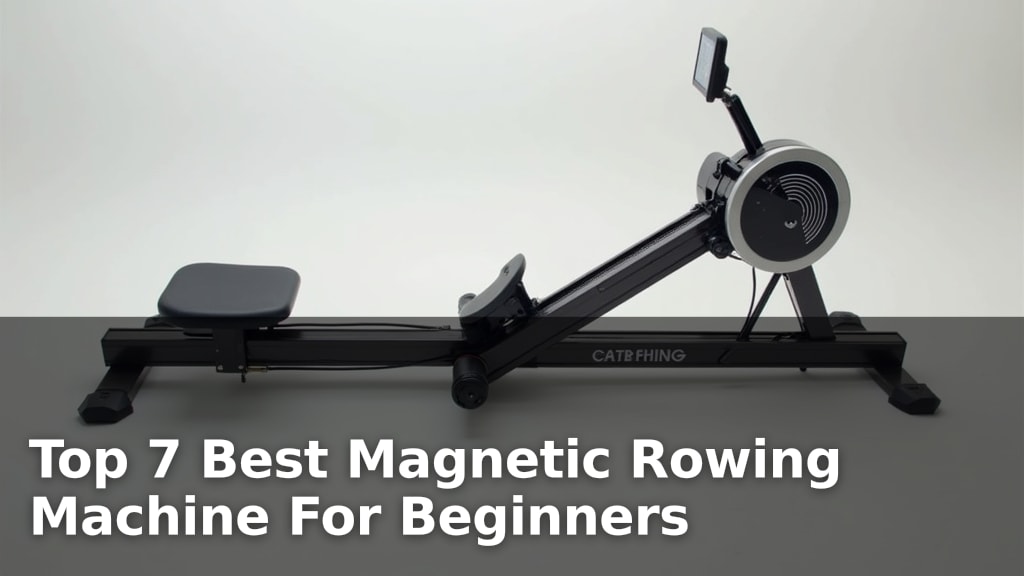
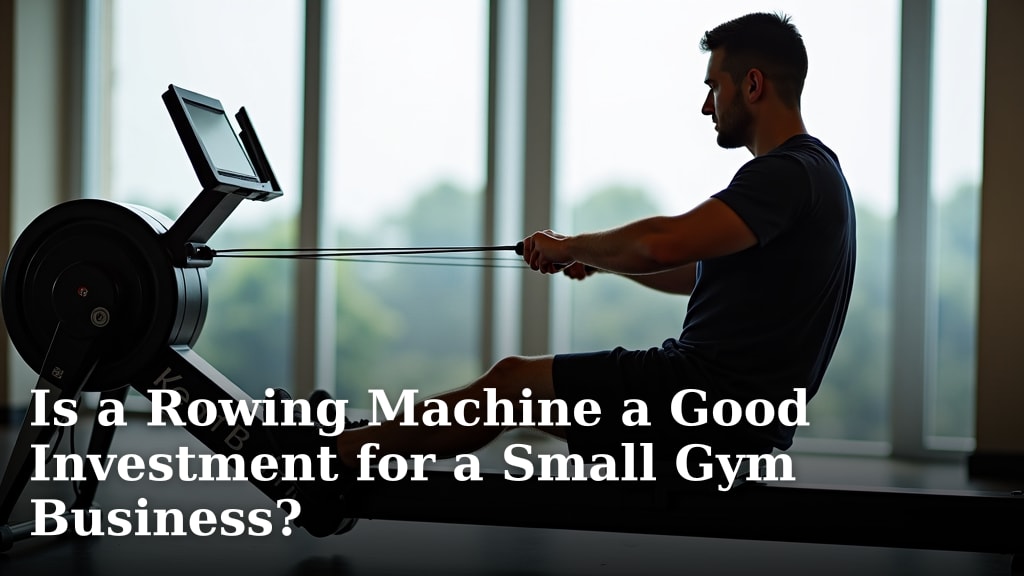
Imagine gliding across water, even from your living room. A rowing machine mimics this motion, providing a powerful, full-body workout. It’s an exercise that really gets your heart pumping.
What Muscles Does Rowing Work?
When you row, you activate a vast array of muscles. Your legs drive the power, your core stabilizes, and your back and arms finish the stroke. Many fitness experts say it works nearly 85% of your body’s muscles (American Fitness Professionals & Associates).
Benefits of Rowing Workouts
Rowing is fantastic for building both strength and cardiovascular endurance. It’s a compound movement, meaning it uses multiple joints and muscles simultaneously. This can lead to a more efficient workout in less time.
Exploring the Elliptical Trainer
The elliptical trainer is a popular choice for many gym-goers. It offers a smooth, flowing motion that feels gentle on your joints. You get a good cardio workout without harsh impact.
What Muscles Does the Elliptical Engage?
An elliptical primarily targets your lower body: glutes, quads, and hamstrings. The moving handlebars also engage your upper body and core, but to a lesser extent than rowing. It’s great for boosting your heart rate.
Benefits of Elliptical Training
The main draw of the elliptical is its low-impact nature. It’s excellent for those with joint concerns or recovering from certain injuries (Mayo Clinic). It also helps improve your balance and stamina.
Comparing Key Aspects of Both Machines
Let’s put them side-by-side. You might be surprised at some of the differences and similarities. Thinking about these points can help you make a more informed choice for your home gym.
Calorie Burn Potential
Both machines can burn a significant number of calories. Research suggests that a vigorous rowing session can match or even exceed the calorie burn of an elliptical workout (Harvard Health Publishing). It often depends on your intensity.
Impact on Your Joints
Here’s where you see a clear difference. The elliptical is renowned for its zero-impact movement. Your feet never leave the pedals, protecting your knees and hips. Rowing also offers a low-impact experience, but there’s a slight compression at the bottom of each stroke.
Full-Body Engagement
A rowing machine is a true full-body workout. It effectively blends strength training with cardio. The elliptical offers a full-body workout too, but the upper body engagement is often less intense and more supportive.
Space Requirements and Portability
Rowing machines tend to be longer than ellipticals. Many modern rowers fold for storage, but they still need a decent amount of length during use. Ellipticals, while generally more compact in length, can be wider and heavier to move around.
Cost and Maintenance
Prices vary widely for both machines based on features and quality. Generally, you can find entry-level models for similar prices. Maintenance for both typically involves routine cleaning and checking moving parts. We found that high-quality machines last longer.
Which One is Right For Your Goals?
Your fitness journey is unique. Consider what you want to achieve. Are you aiming for overall strength, pure cardio, or something in between? This decision really comes down to your priorities.
When to Choose a Rowing Machine
You should lean towards a rower if you want to build strength, power, and cardiovascular fitness simultaneously. It’s fantastic for developing muscular endurance in your back, legs, and core. Think about if you want a challenging, rhythmic movement.
- Develop full-body strength
- Improve cardiovascular health
- Engage large muscle groups
- Enhance athletic performance
- Enjoy a powerful, rhythmic workout
When to Choose an Elliptical
An elliptical is probably your better bet if low impact is your absolute top priority. It’s ideal for steady-state cardio, recovery days, or if you have joint sensitivities. It also allows you to read or watch TV easily during your workout.
Making Your Decision Checklist:
- Do you need a full-body strength focus? (Rower)
- Is joint protection your main concern? (Elliptical)
- Do you prefer seated or standing exercise? (Rower vs. Elliptical)
- How much space do you have at home? (Consider dimensions)
- Are you training for a specific sport or general fitness? (Both can help, but differently)
Quick Comparison Table
Here’s a simple table to help you visualize the differences. It summarizes the main points we’ve discussed so far, making it easier to compare them side-by-side.
| Feature | Rowing Machine | Elliptical Trainer |
|---|---|---|
| Muscle Engagement | Full-body (legs, core, back, arms) | Lower body dominant (some upper body) |
| Impact Level | Very low impact | Zero impact |
| Cardio vs. Strength | Excellent blend of both | Primarily cardio |
| Body Position | Seated | Standing |
| Learning Curve | Slight learning curve for form | Generally easy to pick up |
Conclusion
Choosing between an elliptical and a rowing machine doesn’t have a single “right” answer. Both are fantastic tools for improving your fitness. It really comes down to your individual needs, preferences, and what makes you want to work out consistently. If you crave a dynamic, full-body challenge, consider the rower. If low-impact cardio and ease of use are key, the elliptical could be your perfect match. Ultimately, the best machine is the one you will use regularly and enjoy.
What is the best exercise machine for a full body workout?
Many experts agree that the rowing machine offers one of the most comprehensive full-body workouts available. It engages legs, core, back, and arms, promoting both strength and cardiovascular health in one fluid motion.
Can you lose weight faster with a rowing machine or elliptical?
Weight loss depends more on calorie deficit and consistency than on a single machine. Both can burn a lot of calories. However, because rowing engages more muscle mass, it can potentially lead to a higher calorie burn per session if you maintain high intensity.
Is a rowing machine better for your back than an elliptical?
When used with proper form, a rowing machine can strengthen your back muscles, which can be beneficial. However, improper form can strain the back. The elliptical, being zero-impact and standing, generally places less direct strain on the back from the movement itself.
Which machine is better for beginners?
The elliptical often has a gentler learning curve for beginners, as the motion is intuitive and low-impact. A rowing machine requires learning proper technique to maximize benefits and avoid injury, though it’s not overly difficult to master with practice.
Can I get strong using only an elliptical or rowing machine?
You can definitely build muscular endurance and cardiovascular strength with either machine. For significant muscle hypertrophy (growth) and maximal strength, you’ll generally want to incorporate weight training. However, the rowing machine will contribute more to overall body strength than the elliptical.