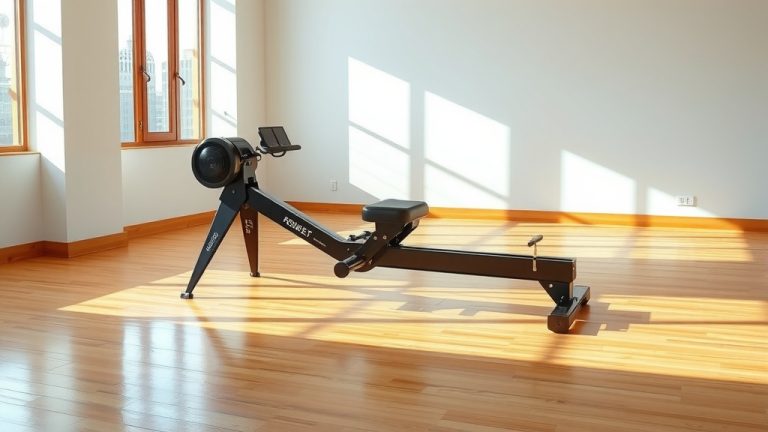
Does Rowing Machine Work Lats?
Yes, a rowing machine can absolutely work your lats. The rowing motion, especially during the “drive” phase, strongly engages your latissimus dorsi muscles.
Your lats are key power contributors when you pull the handle towards your body, making rowing an effective tool for building back strength and width.
- The rowing machine targets your lats directly, especially during the powerful pulling motion.
- Proper form and resistance settings are essential to maximize lat activation on a rower.
- Rowing also strengthens many other major muscle groups, making it a full-body workout.
- It’s a fantastic option for back development, offering both strength and cardiovascular benefits.
- To get the most out of your lats, focus on initiating the pull with your back muscles.
Does Rowing Machine Work Lats?
Yes, rowing machines are indeed excellent for targeting and strengthening your lats. During the powerful drive phase of each stroke, your latissimus dorsi muscles play a significant role in pulling the handle towards your torso.
The Anatomy of Your Lats
Your lats, short for latissimus dorsi, are the largest muscles in your back. They span a wide area, from your lower and middle back up to your shoulders. Think of them as those wide, wing-like muscles that give your back its shape.
What do they do? Your lats help with several key movements. They pull your arms down and back towards your body, rotate your arms internally, and extend your shoulders. They’re involved in many pulling motions you do every day.
How Rowing Engages Your Lats
When you row, you go through distinct phases: the catch, the drive, the finish, and the recovery. Each phase has its own muscle groups working hard. For your lats, the magic happens during the drive and finish.
As you push off with your legs, you start to lean back and pull the handle. This is where your lats come alive. They contract to pull your arms powerfully towards your core. It’s like doing a seated pull-up or a horizontal row.
The Drive Phase: Where Lats Shine
Imagine pushing off the foot stretcher with your legs. As your legs straighten, your core engages, and then your back muscles jump in. Your lats take over to pull the handle. This pulling action directly targets these large back muscles.
Many experts say that initiating the pull with your back and arms, after your legs have done most of the work, truly fires up the lats (Mayo Clinic). You’ll feel a powerful squeeze in your upper-mid back if you do it right.
Beyond Lats: Other Muscles Rowing Works
While we’re focusing on lats, it’s worth remembering that rowing is a true full-body workout. It hits almost every major muscle group in your body. This makes it incredibly efficient for overall fitness.
- Legs: Quadriceps, hamstrings, glutes (powerful push-off).
- Core: Abdominals, obliques, lower back (stabilizing your torso).
- Arms & Shoulders: Biceps, triceps, deltoids (finishing the pull, recovering).
- Upper Back: Rhomboids, traps (assisting the lats in pulling).
So, while your lats get a great workout, you’re also building strength and endurance everywhere else. It’s a fantastic compound exercise.
Optimizing Your Rowing for Lat Growth
Want to make sure your lats are getting the most out of your rowing sessions? There are a few things you can do. It’s not just about pulling hard, but pulling smart. Small adjustments can make a big difference.
Proper Form is Key
Good form is everything. When you pull, avoid hunching your shoulders or relying too much on your biceps. Think about squeezing your shoulder blades together. This helps to activate your lats and other upper back muscles more effectively.
Many guidelines point to keeping a straight back and engaging your core throughout the stroke (NIH). Leaning back slightly at the finish, with the handle at your sternum, ensures full lat engagement.
Resistance and Stroke Rate
Higher resistance settings can increase the load on your lats, making them work harder. However, don’t just crank it up to max. Find a resistance level where you can maintain good form for your entire workout. A moderate stroke rate (20-26 strokes per minute) often allows for more powerful, controlled pulls that engage the lats better than very fast rates.
Varying Your Grip
Most rowing machines have a standard handle. However, if yours allows, experimenting with grip width can subtly change muscle activation. A wider grip might place a little more emphasis on the outer lats, similar to a wide-grip pull-down. Always prioritize comfort and good form over an extreme grip.
Why Lats Matter for Overall Fitness
Strong lats are more than just for show. They play a vital role in posture, spine stability, and everyday movements. Weak lats can contribute to poor posture and even shoulder issues. Building them up with rowing helps in many ways.
They contribute to a strong, stable back, which can help prevent injuries. Research often connects core and back strength with overall physical resilience (Cleveland Clinic). Plus, a well-developed back looks impressive!
Rowing Machine vs. Other Lat Exercises
How does rowing stack up against other popular lat exercises? It’s a great option, but it has its unique benefits. Here’s a quick comparison:
| Exercise | Primary Focus | Key Benefit for Lats | Full Body? |
|---|---|---|---|
| Rowing Machine | Full Body (legs, core, back, arms) | Continuous, rhythmic lat engagement | Yes |
| Pull-ups/Chin-ups | Lats, biceps, upper back | High intensity, bodyweight resistance | No (upper body focused) |
| Lat Pulldowns | Lats, biceps, upper back | Targeted isolation, adjustable weight | No (upper body focused) |
| Barbell Rows | Lats, mid-back, biceps | Heavy compound lift, free weight control | No (back focused) |
As you can see, rowing stands out because it hits your lats effectively while also giving you a cardio workout and engaging your whole body. It’s a versatile tool for your fitness routine.
Common Mistakes to Avoid
To maximize your lat workout and prevent injury, steer clear of these common rowing errors:
- Hunching Your Back: Keep your spine neutral and straight.
- Arm-Pulling First: Let your legs drive, then your back, then your arms.
- Over-Leaning Back: Don’t recline too far at the finish, keep it controlled.
- Shoulder Shrugging: Keep your shoulders relaxed and down, away from your ears.
- Rushing the Recovery: Take your time on the recovery phase to reset properly.
Is Rowing Right for Your Back Goals?
If you’re looking to strengthen your back, including your lats, and improve your overall fitness, a rowing machine is an excellent choice. It offers a low-impact, high-reward workout. You can adjust the intensity to fit your needs, whether you’re a beginner or an experienced athlete.
Listen to your body, maintain good form, and you’ll find rowing to be a powerful ally in building a strong, healthy back. It’s a workout that keeps giving back.
Conclusion
So, does a rowing machine work your lats? Absolutely. Rowing is a fantastic, comprehensive exercise that directly targets your latissimus dorsi muscles, along with nearly every other major muscle group. By focusing on proper technique and making a few key adjustments, you can truly maximize the lat-building potential of your rowing workouts. It’s a smart addition to any fitness plan for a stronger, healthier you.
How do I feel my lats more on a rowing machine?
To feel your lats more, focus on initiating the pull from your back rather than your arms. Drive with your legs first, then think about pulling your shoulder blades together and down, squeezing your lats as you bring the handle to your sternum. Avoid shrugging your shoulders.
Can rowing machines build wide lats?
Yes, consistent rowing with proper form can definitely contribute to building wider lats. The pulling motion is very similar to exercises like lat pulldowns and rows, which are known for developing back width. Regular effort will yield noticeable results.
Is rowing enough for back development?
Rowing provides excellent overall back development, including your lats, rhomboids, and traps. For most people, it’s a very effective standalone back workout. However, if you have specific strength goals, complementing rowing with targeted exercises like pull-ups or dedicated rows might be beneficial.
What’s the best resistance setting to work lats?
The “best” resistance setting is subjective, but typically a moderate to slightly higher resistance works well for lat engagement. This allows for a powerful, controlled pull without sacrificing form. Too low, and it might feel like cardio; too high, and you might strain or compromise your technique.
Do different grips affect lat activation on a rower?
While most rowing machines have a standard handle, if you can vary your grip (e.g., slightly wider or narrower), it can subtly alter which parts of your lats or upper back are emphasized. A neutral or slightly wider grip might engage the outer lats more, similar to a wide-grip pull-up. Always use what feels comfortable and natural for your body.