
How Heavy Is A Rowing Machine?
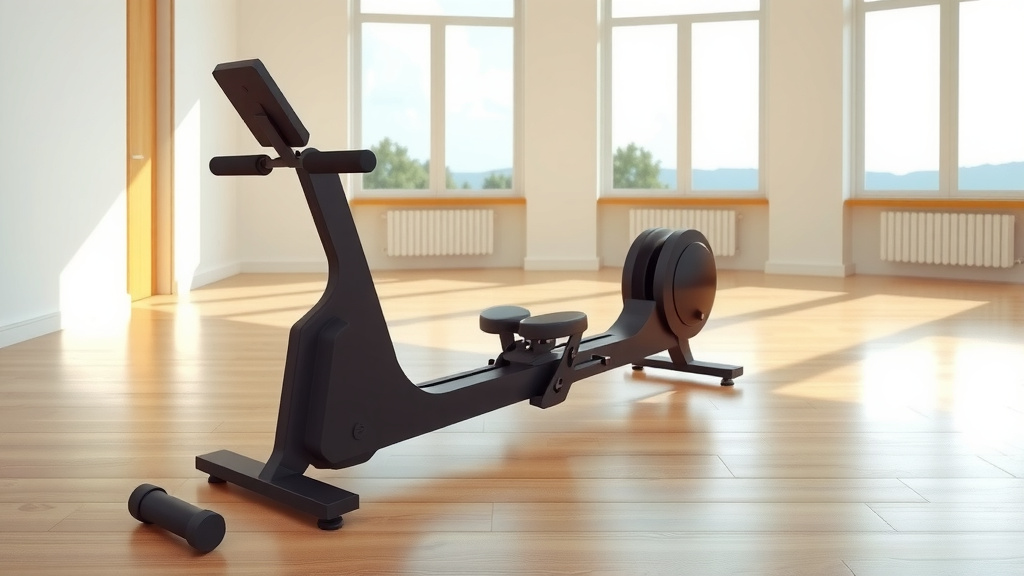
A rowing machine typically weighs between 50 and 100 pounds (23-45 kg), though some models can be lighter or much heavier.
The exact weight of a rowing machine depends on its type, frame materials, and whether it uses air, water, magnetic, or hydraulic resistance.
- Rowing machine weights vary a lot, from around 30 lbs for hydraulic models to over 100 lbs for water or high-end air rowers.
- The weight matters for how stable the machine feels during your workout and how easy it is to move around your home.
- Heavier rowers often suggest more durable materials, like steel frames, and provide greater stability.
- Lighter options are generally easier to store and transport but might not feel as robust during intense sessions.
How Heavy Is A Rowing Machine?
Rowing machines range from about 30 pounds to over 120 pounds. This wide range exists because of different resistance types and construction materials.
Why Does Rowing Machine Weight Matter to You?
When you’re thinking about a rowing machine, its weight might not be the first thing on your mind. But trust us, it’s a big deal. The weight affects how you use and live with your new fitness friend.
Moving It Around Your Space
Do you plan to move your rower frequently? Maybe from the living room to a corner closet? A lighter machine, with convenient wheels, makes this task much easier for one person.
Stability During Your Workouts
Imagine pulling hard on the handle. A heavier machine often feels more grounded. This means less wobbling and a more solid, confidence-inspiring workout experience. It truly helps you focus on your form.
Storage Considerations for Your Home
Some rowers fold up, but even folded, a heavy machine is still heavy. Knowing the weight helps you decide if you can lift it upright for storage or if it needs a permanent floor spot. Think about your back!
Average Weights for Different Types
The resistance system is the biggest factor here. Each type uses different components, leading to varied weights. Let’s look at what research often shows.
Air Rowers
These are very common in gyms. They usually weigh between 55 to 75 pounds. The large fan flywheel adds a good amount of heft. Many experts point to their solid build (NIH).
Water Rowers
Water resistance rowers mimic real rowing. They typically weigh 60 to 80 pounds when empty. Once you add water to the tank, they can easily reach 90 to 110 pounds. That’s like carrying a small child!
Magnetic Rowers
Magnetic rowers are often quieter and can be lighter or heavier. Their weight can range from 50 to 85 pounds. The flywheel and magnet mechanism decide a lot of this. Many models are designed for home use.
Hydraulic Piston Rowers
These are usually the most compact and lightest options. They often weigh from 30 to 45 pounds. Their smaller size and simpler mechanics allow for this weight reduction. They are good for tight spaces.
Understanding the Weight Range
Beyond the resistance type, other elements play a part. It’s like comparing different car models. Each has its own build.
Compact vs. Full-Sized Designs
A compact rower, designed for small apartments, will be lighter. A full-sized, gym-grade machine will naturally carry more weight. Think about how much space you truly have available (Mayo Clinic).
Materials Used in Construction
A steel frame is very strong and durable, but it’s also heavy. Aluminum frames can be lighter while still offering good stability. Some premium wooden rowers can also add to the weight, especially for stability.
What Adds to a Rower’s Weight?
It’s not just magic. Specific parts contribute to the overall weight. Knowing these helps you understand why some machines are beefier than others.
Frame Construction and Quality
A sturdy, thick-gauge steel frame means a heavier machine. This usually suggests a more robust and lasting build. You’re investing in durability.
Flywheel Size and Materials
Air and magnetic rowers have flywheels. A larger, heavier flywheel can mean smoother resistance and a more substantial machine. Water rowers have water tanks that hold significant weight.
Is a Heavier Rower Always Better?
This is a great question, and the answer isn’t a simple “yes” or “no.” It truly depends on your needs and priorities. Let’s look at the trade-offs.
Pros of a Heavier Machine
Heavier rowers typically offer superior stability. This means less movement during intense workouts. They often hint at higher durability, using stronger materials that can withstand years of use. This can lead to a more solid feel.
Cons of a Heavier Machine
The main downside is mobility. A heavy machine is harder to move, even with wheels. Storage can also be a challenge if you need to lift it or store it vertically. They can sometimes be more expensive too.
Comparing Rower Weights for You
Here’s a quick overview to help you visualize the differences. Keep in mind these are average figures. Always check the specific model you’re looking at.
| Rower Type | Avg. Weight (Lbs) | Avg. Weight (Kg) | Key Characteristic |
|---|---|---|---|
| Hydraulic | 30-45 | 14-20 | Most compact & light |
| Magnetic | 50-85 | 23-39 | Quiet operation |
| Air | 55-75 | 25-34 | Common in gyms |
| Water (empty) | 60-80 | 27-36 | Realistic feel |
| Water (filled) | 90-110+ | 41-50+ | Heavier, very stable |
Maneuvering Your Heavy Rower
Even if you pick a heavier machine for its benefits, you’ll likely need to move it sometimes. Don’t worry, manufacturers usually think of this. Many experts confirm this (Cleveland Clinic).
Built-In Transport Wheels
Most rowing machines come with small wheels at the front or back. This lets you tilt the machine and roll it. It greatly reduces the actual lifting you need to do.
Folding Designs for Easier Storage
Many rowers, especially magnetic and air models, can fold in half. While they don’t become lighter, they take up much less floor space. This makes them easier to store in a closet or against a wall.
Planning Its Permanent Spot
If you have a very heavy rower, sometimes the simplest solution is to find a good spot and leave it there. A dedicated corner can be a great idea. Think about where it will feel most natural.
Tips for Safe Lifting and Moving
Your back is important! If you do need to lift or move your rower manually, do it smartly. We found these suggestions to be very helpful.
- Bend Your Knees: Lift with your legs, not your back.
- Keep it Close: Hold the rower close to your body for better leverage.
- Get a Partner: If it feels too heavy, always ask for help.
- Clear the Path: Make sure your path is free of obstacles.
- Take Your Time: Don’t rush the process; slow and steady wins.
Storage Solutions for Heavy Machines
Even heavy rowers can find a good home. It’s about being clever with your space. You can make it work!
Vertical Storage Options
Many folding rowers can be stored vertically. They stand upright, taking up just a small footprint. This is a game-changer for smaller homes. Just make sure it’s stable and won’t tip over.
Dedicated Space for Non-Folding Models
If your rower doesn’t fold, consider a corner or a wall that’s out of the main walkway. This lets you access it easily for workouts without constantly moving it. It can become a real focal point for your fitness.
Checking the Specifications Before Buying
Always, always look at the details! The product page is your friend. We found that checking specifications prevents many surprises.
Always Look for the “Product Weight”
This will be listed in the specifications section of any reputable seller. Pay attention to both the machine’s weight and the shipping weight. The shipping weight is often higher due to packaging.
Consider Your Own Strength and Needs
Be realistic about what you can comfortably lift or move. If you live alone and need to move it often, a lighter model might truly be better for you. Your comfort is key.
Key Factors Influencing Your Choice
So, how do you decide? Here’s a quick checklist to guide your thinking process. It helps to cover all your bases.
- Available Space: Do you have room for a large, heavy machine, or do you need something compact?
- Workout Intensity: Do you plan gentle exercises or hard, fast training sessions?
- Budget: Lighter, simpler machines are often less expensive.
- Moving Frequency: How often will you need to move or store the rower?
- Stability Needs: Do you need maximum stability or can you compromise a bit?
Conclusion
Understanding how heavy a rowing machine is helps you make a truly informed choice. Whether you prioritize stability for intense workouts or easy maneuverability for daily storage, there’s a rower out there for you. We’ve seen that weight isn’t just a number; it shapes your entire user experience. So, measure your space, consider your strength, and pick the perfect rowing partner that fits your lifestyle. Happy rowing!
FAQs
Can I move a heavy rowing machine by myself?
Most heavy rowing machines come with built-in transport wheels, allowing you to tilt and roll them without lifting the full weight. For full lifting, it is always recommended to have assistance to avoid injury.
Do foldable rowing machines weigh less?
Foldable rowing machines usually don’t weigh less than their non-folding counterparts of the same type. The folding mechanism helps save space when stored vertically, but the actual weight of the machine remains the same.
What’s the lightest type of rowing machine?
Hydraulic piston rowing machines are generally the lightest type, often weighing between 30 to 45 pounds. Their smaller size and simpler resistance mechanism contribute to their lower weight, making them easy to move and store.
Does the user weight capacity affect the machine’s weight?
Yes, often a higher user weight capacity means a more robust and heavier frame. Machines designed for heavier users typically feature stronger, thicker materials, which naturally add to the overall machine weight for greater stability and durability.
How does a rowing machine’s weight impact its stability?
A heavier rowing machine generally offers superior stability during workouts. Its greater mass helps anchor it to the floor, reducing wobbling or shifting, especially during powerful strokes. This can provide a more secure and effective exercise experience.
