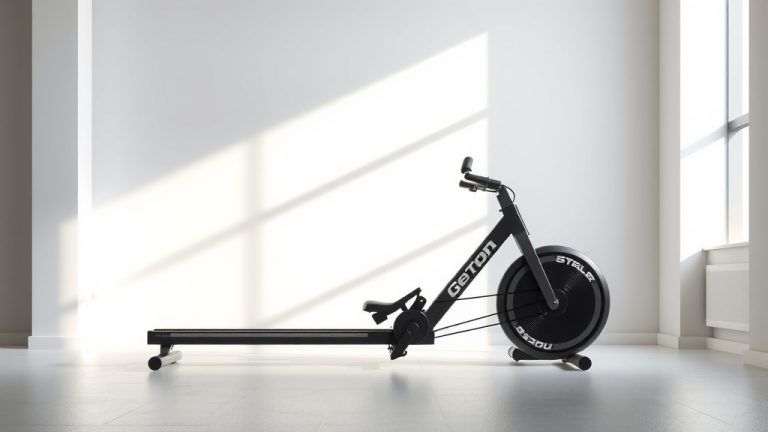
How Rowing Machine Works?
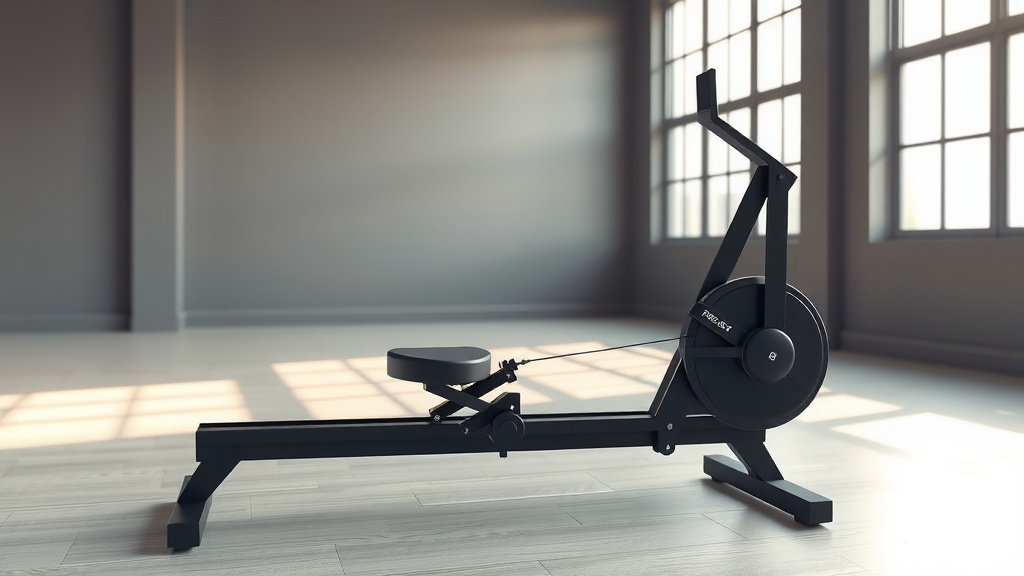
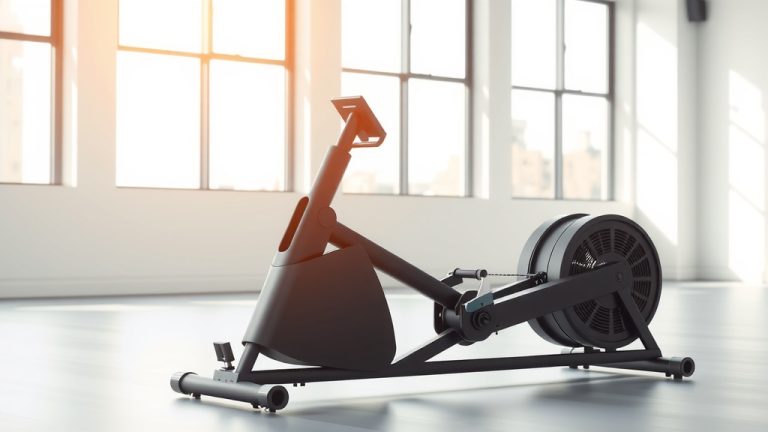
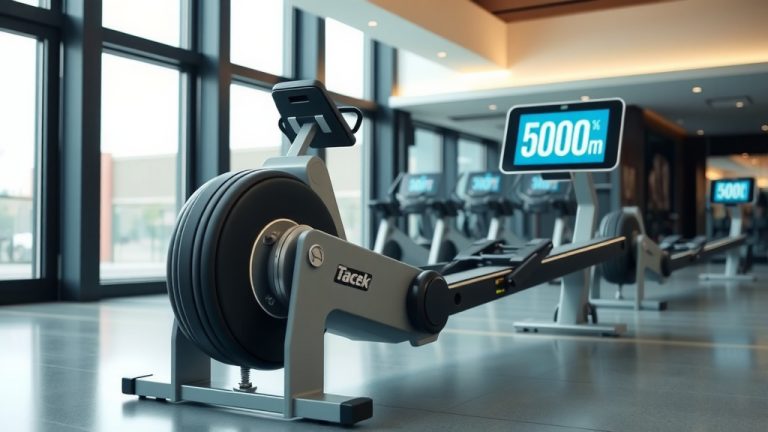
A rowing machine simulates the motion of rowing a boat, engaging your entire body in a powerful, low-impact workout. It works by combining a moving seat, foot stretchers, a handle, and a resistance mechanism.
You generate power by pushing with your legs, hinging at your hips, and pulling the handle towards your core, creating a smooth, fluid movement that strengthens major muscle groups.
Here’s a quick look at what you’ll discover:
- Rowing machines engage 86% of your muscles with each stroke.
- They offer an incredible full-body, low-impact cardio workout.
- Different resistance types (air, water, magnetic) create distinct rowing feels.
- Proper technique is key to getting the most benefit and avoiding injury.
How Rowing Machine Works?
A rowing machine works by allowing you to perform a four-part movement called the “rowing stroke.” This stroke mimics the action of propelling a boat through water.
The Four Phases of a Rowing Stroke
Understanding these phases is fundamental to how the machine functions and how you effectively use it. Each phase flows seamlessly into the next for a smooth exercise experience.
The Catch
This is your starting position. You are seated at the front of the machine, with your knees bent and shins vertical. Your arms are extended forward, gripping the handle, ready to begin the stroke.
Think of it like preparing to jump. Your body is coiled and ready for the explosive push that follows.
The Drive
This is the powerhouse phase. You push back with your legs first, engaging your glutes and quads. As your legs extend, you pivot back from your hips, leaning slightly. Finally, you pull the handle towards your sternum with your arms and back.
This coordinated sequence transfers energy from your legs through your core to your upper body, generating the power for the “stroke.” Many experts say that the drive is about 60% legs, 20% core, and 20% arms (American Council on Exercise).
The Finish
Once your legs are fully extended, your body is leaning slightly back, and the handle is at your mid-torso, you’re in the finish position. Your core is engaged, and your shoulder blades are squeezed together.
This is the moment of maximum muscular contraction. You feel the effort throughout your entire body.
The Recovery
Now, you reverse the drive movement to return to the catch. First, extend your arms forward away from your body. Next, hinge at your hips, leaning forward. Finally, bend your knees, sliding the seat back towards the front of the machine.
This phase is about controlled movement. It prepares you for the next powerful drive, ensuring a continuous, fluid motion.
Understanding Resistance Mechanisms
The type of resistance a rowing machine uses significantly impacts the feel of your workout. We found that each has its unique advantages and a different way of creating the “drag” you work against.
| Resistance Type | How It Works | Feel |
|---|---|---|
| Air Resistance | Fan blades spin as you pull, creating drag. The harder you pull, the more resistance you feel. | Smooth, progressive, dynamic. Simulates rowing on water well. |
| Water Resistance | Paddles move through a tank of water. Resistance increases with the speed and force of your pull. | Most realistic, very smooth, quiet swishing sound. |
| Magnetic Resistance | Magnets interact with a flywheel. You adjust resistance levels manually, independent of pull speed. | Very quiet, consistent resistance at chosen level. |
| Hydraulic Resistance | Pistons filled with fluid create resistance. Arms often move independently. | Compact, fixed resistance per arm, less full-body engagement. |
The Benefits You Gain
Rowing is often hailed as one of the most effective full-body workouts. It offers a unique combination of strength and cardio training in one motion.
A Full-Body Workout
When you row, you engage a surprising number of muscles. Research shows it works approximately 86% of the body’s muscles in a single stroke (National Institutes of Health). This includes your legs, core, back, and arms.
Imagine strengthening your entire body with one machine! It’s an efficient way to make every minute count.
Low-Impact Exercise
Unlike running or jumping, rowing places minimal stress on your joints. Your feet stay connected to the foot stretchers, and the motion is smooth and fluid. This makes it a fantastic option if you have joint sensitivities or are recovering from certain injuries.
It allows you to get an intense workout without the harsh impact. Your knees and hips will thank you.
Cardiovascular Health
Rowing quickly elevates your heart rate, providing an excellent cardiovascular workout. Regular rowing can help improve your stamina, lung capacity, and overall heart health. We found that consistent cardio training can significantly reduce risks for many health conditions (CDC).
It’s like a symphony for your heart, keeping it strong and efficient.
Mastering Proper Rowing Form
Good form is paramount for both effectiveness and safety. Don’t just pull hard; pull smart!
Your Checklist for Perfect Form:
- Start Strong: Shins vertical, arms extended, shoulders relaxed.
- Legs First: Push powerfully with your legs before anything else.
- Core Engaged: Keep your abs tight throughout the stroke.
- Smooth Connection: Legs, then hips, then arms – in that precise order.
- Controlled Recovery: Arms, then hips, then legs – smoothly back to the catch.
- Relaxed Grip: Don’t white-knuckle the handle; a firm but relaxed grip prevents fatigue.
Getting Started on Your Rowing Journey
Are you ready to give it a try? Starting small and focusing on technique will make your experience more rewarding.
Finding the Right Machine
Think about your budget, space, and noise tolerance. Air and water rowers are often louder but offer a more dynamic feel. Magnetic rowers are quiet and great for apartments.
You can even try different types at a local gym to see what feels best for you. Personal preference plays a big role.
Beginner Tips for Success
Start with shorter sessions, perhaps 10-15 minutes, and prioritize form over speed or distance. Watch instructional videos and even record yourself to check your technique.
Remember, it’s a marathon, not a sprint. Consistency is your best friend when building a new fitness habit.
Common Mistakes to Avoid
Even experienced rowers sometimes fall into bad habits. Being aware of these can help you stay on track.
- Pulling with Arms First: This turns rowing into an arm workout, neglecting your powerful legs.
- Rounding Your Back: Puts undue strain on your spine. Always maintain a straight, neutral back.
- Over-Compressing at the Catch: Don’t let your heels lift excessively or get too close to the handle.
- Not Using Your Core: A weak core makes the stroke inefficient and can lead to back pain.
Conclusion
A rowing machine is a marvel of engineering, translating simple movements into a comprehensive full-body workout. It works by guiding you through a coordinated sequence of leg push, hip hinge, and arm pull, all against a chosen resistance. Understanding these mechanics helps you use the machine correctly, maximizing your fitness gains while minimizing injury risk.
Whether you’re looking for cardio, strength, or a low-impact option, the rowing machine offers a versatile and effective path to better health. It’s a fantastic tool to integrate into your fitness routine.
FAQs About Rowing Machines
How much of a full-body workout is rowing?
Rowing is widely considered a full-body workout, engaging about 86% of your muscles. It strengthens your legs, glutes, core, back, and arms in one fluid movement.
Is a rowing machine good for weight loss?
Yes, a rowing machine can be excellent for weight loss. It burns a significant amount of calories due to its full-body engagement and cardiovascular benefits, contributing to a caloric deficit necessary for losing weight.
How long should a beginner row on a machine?
Beginners should start with shorter sessions, around 10-15 minutes, two to three times a week. Focus on perfecting your form before increasing duration or intensity. Gradually build up as your stamina and technique improve.
What is the difference between air and magnetic resistance rowers?
Air resistance rowers use a fan, where resistance increases the harder you pull, mimicking on-water rowing. Magnetic resistance rowers use magnets and a flywheel, offering consistent, adjustable resistance that is often quieter and independent of your pulling speed.
Can rowing help with back pain?
If performed with proper form, rowing can strengthen core and back muscles, which may help alleviate some types of back pain. However, incorrect form can worsen back pain, so always prioritize good technique and consult a healthcare professional if you have existing back issues (Mayo Clinic).