How To Engage Glutes On Rowing Machine?
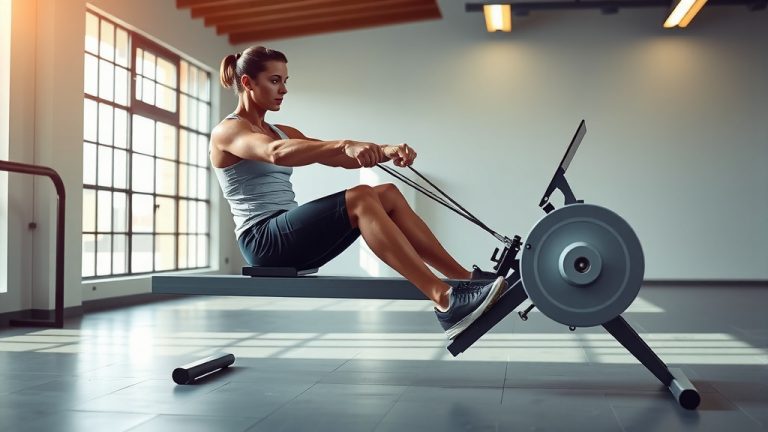
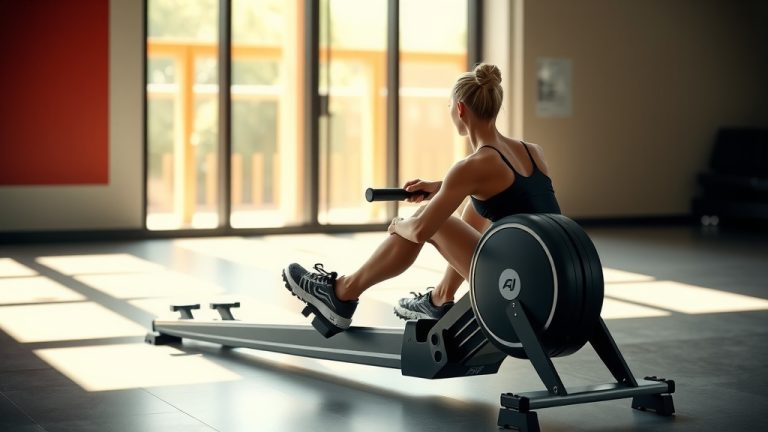
To engage your glutes effectively on a rowing machine, focus on initiating the drive phase by pushing powerfully through your heels and actively squeezing your glutes at the finish of each stroke.
Ensure your feet are securely strapped, maintain an upright posture, and drive with your legs before swinging your body and pulling with your arms to maximize glute activation.
Here’s a quick overview of how to supercharge your glute engagement on the rower:
- Prioritize a strong, legs-first push from the catch.
- Keep your core braced and hinge at your hips, not your lower back.
- Actively squeeze your glutes as you finish the drive.
- Avoid rushing; focus on control and proper form over speed.
How To Engage Glutes On Rowing Machine?
Engaging your glutes on a rowing machine involves a powerful, coordinated push using your legs and hips. Many people unintentionally underutilize these strong muscles, missing out on crucial power and efficiency.
Why Glutes are Your Rowing Powerhouse
Your glutes are among the largest and strongest muscles in your body. When rowing, they are key players in the “drive” phase, helping you push back powerfully from the front of the machine.
Strong glute engagement doesn’t just add power; it also helps protect your lower back. When your glutes do their job, your back doesn’t have to overcompensate, promoting a safer, more efficient stroke, as many experts agree (Mayo Clinic).
The Setup: Foundation for Glute Activation
Before you even begin to row, your setup can make or break glute engagement. Small adjustments here make a big difference.
Foot Straps and Foot Plate Angle
Place your feet so the strap crosses the widest part of your foot, just above the toes. This allows you to push through your heels, which is vital for glute activation.
Ensure the footplate angle feels natural. You want your shins to be vertical at the catch without your heels lifting excessively, which we found helps with a powerful drive.
Your Posture Matters (Tall and Proud)
Sit tall at the catch, with a slight forward lean from your hips. Keep your core braced, like you’re about to take a punch. This upright posture allows your glutes to fire effectively.
Slouching or rounding your back can prevent your glutes from engaging fully, shifting the load elsewhere. Think about maintaining a straight line from your head to your tailbone.
Mastering the Rowing Stroke: The Drive Phase
The drive is where your glutes truly shine. This phase needs to be explosive and controlled.
The Legs-First Push
Begin the drive by pushing strongly through your heels. Imagine you’re trying to push the foot stretcher away from you, or like jumping from a starting block.
Your legs should initiate the movement, propelling your body backward. Research shows a strong leg drive is fundamental to efficient rowing power (NIH).
Hips Hinge, Not Back Bend
As your legs extend, your hips should hinge open. This means your torso swings back slightly, maintaining that strong core connection. Avoid leaning back excessively or rounding your lower back.
This hip hinge motion is crucial for activating your glutes and hamstrings. Without it, you might rely too much on your back muscles.
The Finish: Squeezing for Maximum Engagement
You’re not done with your glutes yet! The very end of the drive is a key moment.
At the finish, when your legs are fully extended and your torso is slightly reclined (around an 11 o’clock position), actively squeeze your glutes. This final contraction helps to maximize their work.
Think of it as a final flourish for your powerful glutes. Don’t just stop pushing; consciously engage them for that extra bit of oomph.
The Recovery: Setting Up for the Next Glute Blast
The recovery phase sets you up for the next powerful stroke. It’s not just about returning to the start; it’s about preparing your glutes to fire again.
Return to the catch with control: arms away, then body forward, then knees bend. Don’t rush forward; give your body time to reset and your glutes to relax slightly before their next big push.
Common Mistakes That Kill Glute Engagement
It’s easy to fall into habits that sideline your glutes. Let’s look at what to avoid.
Rushing the Drive
Many rowers rush the drive, pulling hard with their arms too early. This lessens the leg drive and thus reduces glute activation. A strong drive should feel powerful, not frantic.
Arm-Dominant Pull
If your arms and upper body are doing most of the work, your glutes are taking a backseat. Remember the sequence: legs, then core and body swing, then arms. Your legs are the engine.
Sitting Too Far Forward
If you start too far forward, with your shins past vertical, you lose mechanical advantage. This makes it harder to get a powerful push from your glutes and can strain your knees.
Drills to Awaken Your Glutes
These simple drills can help you connect with your glutes on the rower:
- Pause Rowing: Pause at the finish for a count of two, actively squeezing your glutes, then recover.
- Legs-Only Rowing: Keep your arms straight and body still, driving only with your legs for several strokes.
- Feet-Out Rowing: Unstrap your feet and just rest them on the footplate. This forces you to push with your glutes and core to stay connected.
- Pick Drill: Break down the stroke into segments (legs only, then legs and body, then full stroke). This helps isolate movements.
Glute Engagement Checklist for Your Next Row
Keep these points in mind for powerful glute work:
- Are your footstraps over the widest part of your foot?
- Are you sitting tall with a braced core at the catch?
- Are you pushing primarily with your legs and heels?
- Is your back straight and your hips hinging open?
- Are you actively squeezing your glutes at the finish?
Tracking Your Progress: What Does Glute Engagement Feel Like?
When your glutes are working, you should feel a burning or fatigue in your butt muscles, not primarily in your lower back or quads. It’s a deep, powerful sensation.
You might notice a stronger, more fluid drive. Your stroke might feel more connected and less “choppy.” Listening to your body helps you refine your technique over time.
| Common Mistake | Impact on Glutes | Correct Technique |
|---|---|---|
| Arms Pull First | Glutes underutilized | Legs drive, then body, then arms |
| Rounding the Back | Glutes cannot extend fully | Maintain a tall, hinged posture |
| Rushing Recovery | Loss of control and setup | Controlled recovery; prepare for next drive |
| Pushing from Toes | Less glute activation, more quads | Drive powerfully through your heels |
Conclusion
Actively engaging your glutes on the rowing machine is a game-changer for your workout. It boosts your power, protects your back, and ensures a more effective, full-body exercise. By focusing on your setup, mastering the legs-first drive, and consciously squeezing at the finish, you’ll unlock a new level of rowing performance. Keep practicing, and those glutes will thank you!
Can I still engage my glutes if my feet lift off the heel rests?
While some heel lift is natural at the extreme end of the catch, excessive lifting suggests you might not be pushing strongly enough through your heels. This can reduce glute activation. Focus on keeping contact with the heel rests during the initial push for better power transfer.
How do I know if I’m using my glutes and not just my quads?
You should feel the work primarily in your buttocks and the back of your thighs. If your quads (front of thighs) are burning intensely but your glutes feel absent, you might be driving too much with your knees or not hinging effectively at the hips. Consciously squeezing your glutes at the finish can help distinguish the sensation.
Does resistance level affect glute engagement?
Yes, to an extent. A higher resistance level demands more power, which can encourage greater glute activation if your technique is sound. However, too high a resistance can lead to poor form and injury. Find a damper setting where you can maintain good technique and still feel a powerful push.
Should I do glute activation exercises before rowing?
Many fitness experts recommend light glute activation exercises as part of a warm-up. Things like glute bridges, band walks, or bird-dogs can “wake up” your glutes before you hop on the rower. This helps ensure they’re ready to fire effectively during your workout.
How long does it take to learn to engage glutes effectively on a rower?
It varies for everyone, but with consistent practice and mindful attention to technique, you can often feel an improvement within a few weeks. Focus on one or two cues at a time, like “legs first” or “squeeze at the finish,” and gradually integrate them into your full stroke.