How To Read Rowing Machine Display?
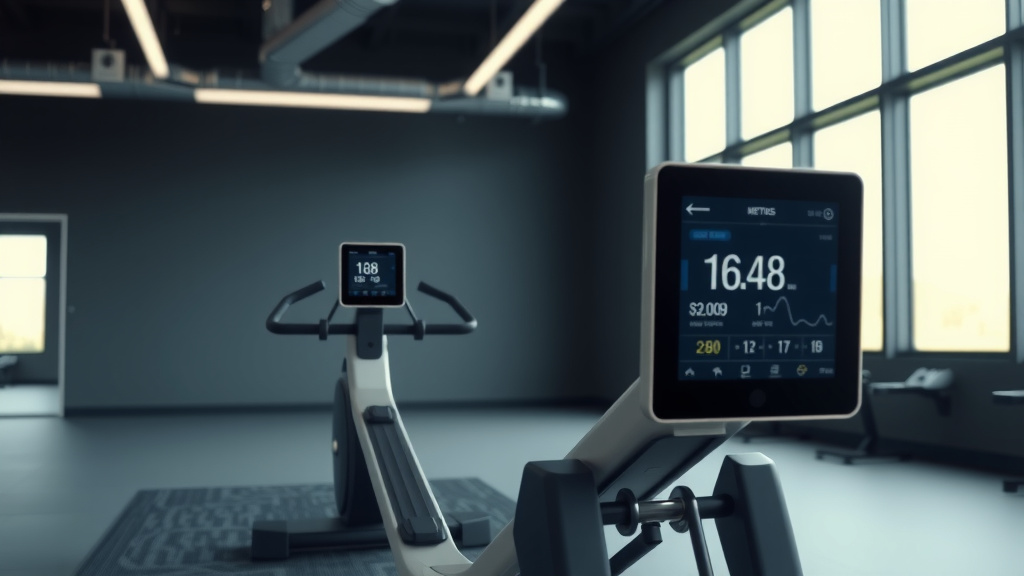
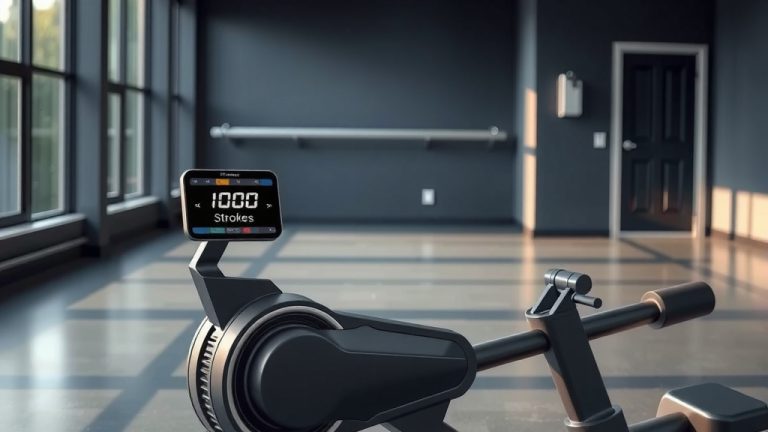
To read a rowing machine display, focus on key metrics like Strokes Per Minute (SPM), Split Time (pace), and Distance, which tell you about your effort and progress. These metrics are your immediate feedback on performance.
Understanding your rowing machine display helps you track intensity, measure improvements, and stay motivated during your workout.
- The rowing machine display shows your real-time performance, including your speed, power, and how far you’ve gone.
- Key numbers like Strokes Per Minute (SPM) and Split Time are vital for understanding your workout intensity and efficiency.
- Monitoring your distance and time helps you track progress and set achievable fitness goals.
- Many displays also estimate calories burned and show your power output in Watts, offering a fuller picture of your effort.
- Regularly checking these metrics helps you adjust your technique and improve your rowing performance.
How To Read Rowing Machine Display?
Learning to read your rowing machine display is like understanding your car’s dashboard. It gives you instant feedback on your performance. We found that grasping these numbers empowers your workout, guiding you to row smarter, not just harder.
Why Your Rowing Display Matters
Your rowing display isn’t just a fancy clock; it’s your personal coach. It provides data that helps you stay on track with your fitness goals. Without it, you might be guessing your effort, which isn’t very efficient.
Many experts say that tracking metrics is vital for improvement (NIH). It allows you to see progress over time. This can keep your motivation high, pushing you through tough workouts.
Essential Metrics on Your Rowing Machine Display
Let’s break down the core numbers you’ll see. These are the building blocks for understanding your rowing session. You’ll quickly learn to interpret these figures at a glance.
Strokes Per Minute (SPM)
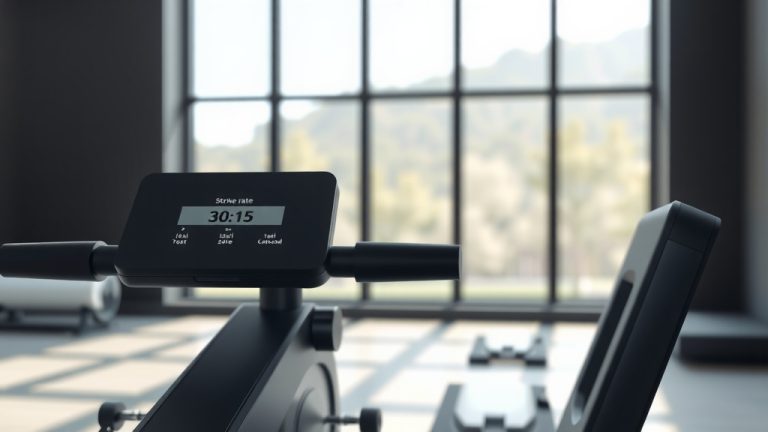
SPM tells you how many times you complete a full rowing stroke in one minute. A higher SPM means you’re rowing faster, but not always more powerfully. For beginners, an SPM of 20-25 is a good starting point for building proper technique.
We found that many athletes adjust their SPM based on their workout type. A lower SPM with more power per stroke is often better for endurance. A higher SPM might be for sprints.
Split Time (Pace)
This is arguably the most important number for many rowers. Your split time shows how long it would take you to row 500 meters at your current pace. It’s usually displayed as time per 500m, like 2:00/500m.
A lower split time means you’re rowing faster and more efficiently. For instance, 1:50/500m is faster than 2:10/500m. This metric helps you compare your performance across different workouts.
Distance
The distance metric simply tracks how far you’ve rowed in meters. It’s great for goal setting, like aiming for a 2,000-meter workout. It gives you a clear sense of your overall work accomplished.
You can use distance to structure your workouts. Some days you might target a specific distance, while other days you focus on maintaining a split time over that distance.
Total Time
This shows how long you’ve been rowing for your current session. It’s straightforward and helps you manage your workout duration. Whether you’re aiming for a quick 20-minute session or a longer endurance row, this number keeps you informed.
Calories Burned
Most rowing machines estimate the calories you’ve burned. While these numbers are often approximations, they give you a general idea of your energy expenditure. Many people use this to track their fitness and weight management efforts.
Remember that calorie burn can vary based on your body weight and individual metabolism. It’s a useful guide, but not always an exact science.
Watts (Power Output)
Watts measure your immediate power output. This number shows how much energy you’re generating with each stroke. Higher watts mean you’re pulling harder and more powerfully.
Monitoring watts is especially useful for those looking to build strength and explosive power. Research often connects higher power output with improved athletic performance (American College of Sports Medicine).
| Metric | What It Tells You | Why It’s Important |
|---|---|---|
| Strokes Per Minute (SPM) | How many strokes per minute | Indicates stroke rate; helps with pacing. |
| Split Time (Pace) | Time to row 500 meters | Your speed and efficiency; lower is faster. |
| Distance | Total meters rowed | Overall volume of work. |
| Total Time | Workout duration | Keeps you on schedule. |
| Calories Burned | Estimated energy used | General fitness and effort tracking. |
| Watts | Instant power output | Measures strength and explosiveness. |
Diving Deeper: Advanced Display Features
Some displays offer more than just the basics. Understanding these can add another layer to your training. You might find your display can offer deeper insights.
Understanding Average Metrics
Many displays will show your average SPM, average split time, or average watts for the entire workout. This helps you understand your overall performance, not just your peak moments. It’s a good way to assess your consistency.
Interval Training Data
If your rowing machine has pre-programmed workouts, the display will often guide you through intervals. It might show target paces, rest times, and performance for each segment. This is incredibly helpful for structured training sessions.
Heart Rate Monitoring
Some advanced rowing machines connect to heart rate monitors. This allows your display to show your heart rate in real-time. Knowing your heart rate helps you train within specific zones for cardio, fat burn, or peak performance.
Troubleshooting Your Display
What if your display isn’t showing anything, or seems off? Don’t worry, there are usually simple fixes. You can often solve these issues yourself quickly.
Checking Battery Life
The most common culprit for a blank display is dead batteries. Most rowing machines use standard AA or AAA batteries for the monitor. We found that changing them often solves the problem instantly. Always keep a spare set handy.
Recalibrating for Accuracy
If your numbers seem wildly inaccurate, your monitor might need recalibration. This usually involves a simple process found in your rowing machine’s manual. It ensures the data displayed is as precise as possible.
Making the Most of Your Display Data
Once you know what all the numbers mean, how do you use them effectively? Here’s a quick checklist to help you maximize your rowing experience:
- Set a specific goal before you start (e.g., 2000m, 30 minutes, or a target split time).
- Watch your SPM and adjust your stroke rate for different workout types (e.g., lower for power, higher for speed).
- Focus on maintaining a consistent split time during endurance pieces.
- Use your average metrics to understand your overall workout consistency.
- Record your best performances to track your improvements over weeks and months.
- Don’t get discouraged by one “bad” number; look at the bigger picture of your progress.
Conclusion
Reading your rowing machine display is a fundamental skill that transforms your workout from just exercise to a goal-driven training session. By understanding SPM, split time, distance, and other key metrics, you gain precise control over your effort and progress. It truly helps you become a more effective rower. So, the next time you sit down, take a moment to connect with your display; it has so much to tell you about your ride.
What is a good SPM for rowing?
A good SPM (Strokes Per Minute) for rowing depends on your workout goal. For steady-state endurance, 18-24 SPM is often effective, allowing for powerful strokes. For higher intensity or sprint intervals, you might aim for 28-34 SPM, focusing on quicker, more explosive movements.
How do I improve my split time on a rowing machine?
To improve your split time, focus on increasing the power in each stroke rather than just increasing your SPM. Engage your legs more forcefully at the start of the drive, maintain a strong core, and practice a smooth, consistent rhythm. Also, ensure your stroke length is full and efficient.
Does rowing machine display show actual calories burned?
Rowing machine displays provide an estimate of calories burned, which can be useful for general tracking. However, these figures are not always perfectly accurate, as they don’t account for individual metabolism, precise body composition, or variations in movement efficiency. Use it as a guide, not an exact measurement.
What is a “catch” in rowing?
The “catch” in rowing refers to the moment your oar blades (or in the case of an erg, your hands and body position) are ready to apply force to the water (or flywheel). It’s the front of the stroke where your shins are vertical, arms are extended, and you’re prepared to drive back with your legs.
Should I watch the display while rowing?
While it’s important to understand your metrics, constantly staring at the display can disrupt your form and rhythm. It’s often better to check the display periodically to gauge your pace and effort, rather than fixating on it. Focus on your technique and feel, and use the display for feedback during planned checks or after a set interval.