Does Rowing Machine Strengthen Lower Back?
A rowing machine can strengthen your lower back by engaging core muscles and promoting proper posture during the stroke. When performed correctly, it builds endurance and stability in the muscles supporting your spine.
Yes, it strengthens your back, but only with good form. Poor technique can lead to strain, so focus on correct movement for real benefits.
- Rowing correctly can make your lower back stronger and more stable.
- The key is to use proper form and engage your core, not just your back.
- It helps build muscle endurance, which protects your spine from daily stress.
- Incorrect technique, such as rounding your back, can actually cause injury.
- Always prioritize technique over speed or resistance to keep your back safe.
Does Rowing Machine Strengthen Lower Back?
Yes, a rowing machine can absolutely strengthen your lower back when used with the right technique. It helps build a strong, supportive core around your spine.
How Rowing Engages Your Lower Back
When you row, your lower back muscles work to stabilize your torso. They help you maintain an upright position throughout the stroke. This constant engagement builds muscle endurance and strength.
Think of your lower back as a sturdy pillar. Rowing helps reinforce this pillar. We found that proper rowing strengthens the erector spinae, which are the long muscles running up your spine (Mayo Clinic).
The Role of Your Core in Back Health
Your “core” isn’t just your abs. It includes your deep abdominal muscles, glutes, and of course, your lower back. A strong core acts like a natural corset for your spine.
Rowing works all these muscles together. This creates a powerful, protective support system for your lower back. It helps prevent many common back issues.
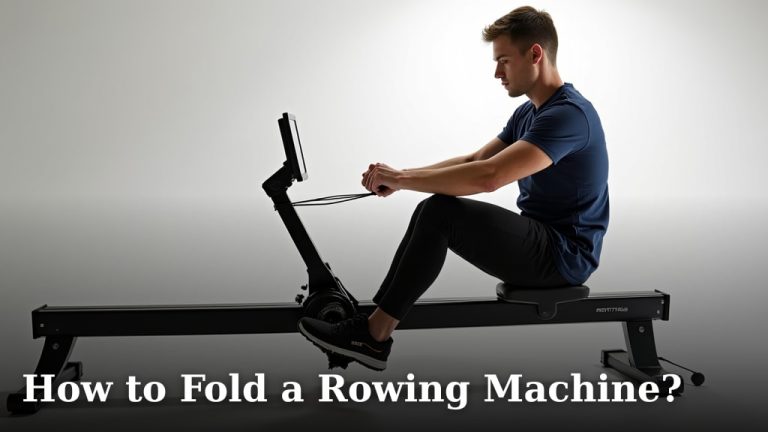
Proper Rowing Form for Back Protection
Good form is your best friend on a rowing machine. It ensures you work the right muscles and keep your back safe. Bad form can do more harm than good, so let’s get it right.
The movement should come from your legs first, then your core, and finally your arms. This sequence takes the pressure off your lower back.
Common Mistakes to Avoid
Many people make simple mistakes that hurt their back. Are you one of them? The biggest one is rounding your lower back, especially at the catch (the front of the stroke).
Another mistake is pulling too hard with your arms alone. This puts strain on your spine. Remember, it’s a full-body workout, not just an arm workout.
Setting Up Your Rower for Success
Adjusting your foot straps is crucial. Your feet should feel secure but not cramped. This allows you to drive through your heels, engaging your legs effectively.
Keep the monitor at eye level. This helps you avoid bending your neck too much. A good setup supports good posture naturally.
Muscles Targeted Beyond Your Back
Rowing is a full-body workout, truly. It hits over 85% of your muscles! While your back gets stronger, so do many other key areas.
Your legs (quads, hamstrings, glutes) do most of the work. Your core stabilizes everything. Your arms and shoulders pull the handle. It’s a symphony of muscle engagement.
Is Rowing Safe for Everyone?
Most people can row safely and effectively. It’s a low-impact exercise, meaning it’s gentle on your joints. This makes it a great choice for many fitness levels.
However, if you have existing back problems, talk to a doctor. They can advise if rowing is right for you. Your health always comes first.
When to Be Cautious
If you have a history of disc issues or severe lower back pain, be careful. Start slowly and with very light resistance. Focus purely on technique.
We found that those with certain conditions might need modifications (Cleveland Clinic). Always consult a professional to be sure.
Listening to Your Body
This is perhaps the most important rule. If something feels like pain, not just muscle fatigue, stop. Your body sends clear signals for a reason.
Pushing through pain can lead to injury. A good workout should feel challenging, not painful. Be kind to your body.
Starting Your Rowing Journey
Ready to jump on the rower? Great! Start with short sessions, maybe 10-15 minutes. Focus on smooth, controlled movements rather than speed or power.
Gradually increase your time and intensity as you get fitter. Rome wasn’t built in a day, and neither is a strong, healthy back.
Warm-Up and Cool-Down
A short warm-up prepares your muscles for work. Light cardio and dynamic stretches are perfect. This helps prevent strains.
After your row, cool down with some gentle stretches. Focus on your hamstrings, glutes, and lower back. This helps with flexibility and recovery.
Building a Balanced Routine
Rowing is fantastic, but a well-rounded fitness plan helps even more. Consider adding other activities to support your back strength and overall health.
Think of your fitness journey as a meal. Rowing is a great main course, but you need side dishes too!
Complementary Exercises for Back Strength
Adding exercises like planks, bird-dogs, and glute bridges can further boost your core and back strength. These help create a super-strong support system.
Yoga and Pilates are also excellent. They focus on core stability, flexibility, and controlled movements. Many experts say these are great for back health.
Here’s a quick checklist for your rowing form:
- Sitting Tall: Keep your chest open, shoulders relaxed.
- Legs First: Drive back powerfully with your legs.
- Core Engaged: Brace your abdominal muscles throughout.
- Flat Back: Avoid rounding your lower back at any point.
- Controlled Recovery: Let your arms extend, then body, then bend legs.
How Often Should You Row?
For general fitness and back strengthening, 3-4 times a week is a good goal. Aim for 20-30 minute sessions once you’re comfortable.
Listen to your body. If you’re very sore, take an extra rest day. Consistency, not just intensity, is key for long-term results.
Here’s a general guide for rowing resistance levels:
| Goal | Resistance Level (Damper Setting) | Why It Matters |
|---|---|---|
| Endurance | Low (1-4) | Allows for longer workouts, less strain. |
| Strength | Medium (5-7) | Engages muscles more, builds power. |
| Power | High (8-10) | Short, intense bursts, very challenging. |
Most people find a medium setting (4-6) effective for general fitness. Experiment to find what works best for your body.
Conclusion
A rowing machine can be an incredible tool for strengthening your lower back. It offers a low-impact, full-body workout that builds endurance and muscle. Just remember the golden rule: proper form always comes first.
By focusing on technique, engaging your core, and listening to your body, you can safely enjoy the many benefits. You’ll not only strengthen your back but also improve your overall fitness. So, grab that handle and start rowing your way to a stronger, healthier you!
What part of your back does rowing strengthen?
Rowing primarily strengthens the erector spinae muscles in your lower back, which run along your spine. It also engages your core muscles, providing better stability for your entire back.
Can rowing hurt your back if done wrong?
Yes, absolutely. Incorrect form, especially rounding your lower back or pulling too much with your arms, can put excessive strain on your spine and lead to injury or pain. Always prioritize technique over speed or resistance.
Is rowing a good workout for someone with a weak back?
For someone with a weak back, rowing can be beneficial, but it’s crucial to start slowly and focus on perfect form. Begin with low resistance and short sessions. Consulting a doctor or physical therapist beforehand is always a smart idea.
How can I protect my lower back while rowing?
To protect your lower back, focus on maintaining a straight, neutral spine throughout the stroke. Drive with your legs first, engage your core, and avoid rounding your back at the catch. Adjust your foot straps correctly and keep your head neutral.
Should I feel my lower back working when I row?
You should feel your lower back working to stabilize your torso and maintain posture. It should feel like engagement, not sharp pain. If you feel discomfort, check your form or reduce the intensity.