How To Sit On Rowing Machine?
To properly sit on a rowing machine, position yourself on the seat with your shins vertical, knees bent, and feet firmly strapped into the foot stretchers.
Ensure your back is straight and slightly hinged forward at the hips, not rounded, for an effective rowing machine setup.
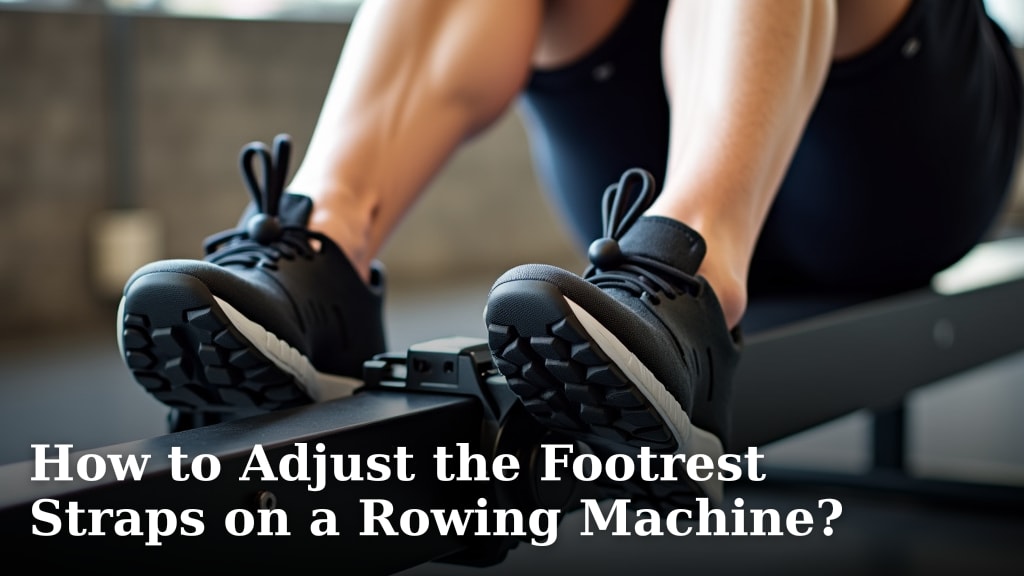
- Get your feet strapped in securely, snug but not tight.
- Sit at the front of the seat, with your knees bent and shins straight up.
- Keep your back straight and lean forward slightly from your hips.
- Relax your shoulders and keep your head looking forward.
- Hold the handle with a relaxed grip, ready to start your stroke.
How To Sit On Rowing Machine?
Sitting on a rowing machine correctly sets the stage for a powerful, injury-free workout. It’s about finding that sweet spot where your body is ready to transfer energy efficiently from your legs to the handle.
Getting Ready: Your Pre-Rowing Checklist
Before you even think about pushing off, a few quick checks make a world of difference. It’s like checking your mirrors before driving; it just ensures a smooth, safe experience.
- Adjust the foot straps: Make sure they are snug over the widest part of your foot.
- Set the damper: Find a resistance level that feels right for you, usually 3-5 for general fitness.
- Clear your space: Remove any obstacles around the machine.
- Hydrate: Keep a water bottle handy.
Strapping In: Your Feet Are Your Foundation
Your feet are the first point of contact with the machine, driving every stroke. Many new rowers overlook this crucial step, but it’s where all the power production begins.
Slide your feet into the foot stretchers. Position them so the strap goes across the widest part of your foot, just below your toes (American Council on Exercise). Pull the straps tight so your feet feel secure but not painfully compressed. You want to be able to flex your toes comfortably.
The Seat Position: Finding Your Starting Point
Once your feet are secure, slide the seat forward towards the flywheel. This is called the “catch” position. Your knees will be bent, and your shins should be almost vertical, perpendicular to the floor.
We found that having your shins vertical at the catch is a key indicator of good starting position. It allows you to recruit your powerful leg muscles effectively from the very beginning of the stroke.
Your Posture: The Backbone of Your Row
This is perhaps the most important part of sitting correctly. Think of your spine as a stable rod, not a flexible noodle. You want a strong, neutral spine throughout the entire movement.
Hinging at the Hips, Not Rounding Your Back
Many people tend to round their lower back when sitting forward. Instead, try to hinge forward from your hips. Imagine your pelvis tilting slightly forward, keeping your lower back flat (Concept2). Your chest should be open and facing towards the flywheel.
Shoulder and Arm Alignment
Relax your shoulders down and back, away from your ears. Your arms should be straight but not locked, reaching towards the handle. Your wrists should be flat, forming a straight line with your forearms. This position keeps your shoulders engaged, not strained.
Holding the Handle: A Gentle Grip
Take the handle with an overhand grip, palms facing down. Your hands should be slightly wider than shoulder-width apart. Don’t grip it too tightly; a relaxed, yet secure, grip prevents forearm fatigue. Think of it as holding a bird, firm enough not to fly away, but not crushing it.
Common Sitting Mistakes to Avoid
It’s easy to fall into bad habits. Many experts say identifying these common errors early can save you from discomfort later (Mayo Clinic). Are you making any of these?
| Mistake | Why It’s Bad | How to Fix It |
|---|---|---|
| Rounded Lower Back | Increased risk of back pain and injury, reduces power. | Hinge from hips, engage core. |
| Locked Knees | Puts strain on knee joints. | Keep a slight bend at the top of the drive. |
| Tight Grip | Causes forearm fatigue, wastes energy. | Relax hands, use a hook grip. |
| Shoulders Shrugged | Leads to neck and shoulder tension. | Keep shoulders down and back. |
The “Catch” Position: Where the Power Begins
This is your starting point for every stroke. You are coiled and ready to explode. Your shins are vertical, knees are bent, and your arms are extended forward. You should feel a slight stretch in your hamstrings. This position is about potential energy, waiting to be released.
Engaging Your Core: Your Body’s Natural Stabilizer
A strong core is like the central pillar of a building; it provides stability and transfers power. While sitting, gently engage your abdominal muscles. Don’t suck in your stomach, but feel like you’re bracing for a light punch. This helps maintain your upright posture and protects your back.
Finding Your Rhythm: It’s All in the Flow
Once you’re sitting correctly, the entire rowing stroke becomes a fluid motion. Your initial sitting posture impacts how smoothly you can transition through the drive and recovery. Many users find that a little practice focusing on this initial setup pays off tremendously in their overall stroke efficiency. It’s like learning to tie your shoes; once you get it, you don’t even think about it anymore.
Why Proper Sitting Matters: Beyond Comfort
Beyond simply feeling good, correct sitting on a rowing machine offers a host of benefits. It ensures you’re activating the right muscle groups, primarily your legs, glutes, and core. This maximizes your workout’s effectiveness and helps to prevent unnecessary strain on your back and joints (NIH). If you spend much of the day seated, see rowers for long hours seated.
Research often connects good form with reduced injury rates in repetitive movements. So, taking a moment to adjust your sitting position isn’t just about technique; it’s about long-term physical health.
Conclusion
Sitting properly on a rowing machine is your first, and arguably most important, step towards an effective and safe workout. Focus on secure feet, a neutral spine hinged at the hips, relaxed shoulders, and a gentle grip on the handle. These small adjustments create a stable foundation for a powerful and fluid stroke, maximizing your fitness gains and minimizing injury risk. Remember, a little attention to your setup goes a long way in your rowing journey. Your body will thank you!
How far should my knees be bent at the start?
At the start of your rowing stroke, your knees should be bent enough so that your shins are roughly vertical, perpendicular to the floor. This allows for a full range of motion from your powerful leg muscles.
Should I lean forward or sit straight up?
You should lean slightly forward from your hips, not by rounding your back. This creates a small amount of forward body angle, preparing you to drive back with your legs and effectively engage your core.
How tight should the foot straps be?
The foot straps should be snug enough to hold your feet securely without them slipping, but not so tight that they cut off circulation or cause discomfort. They should cross the widest part of your foot.
Where should my hands be on the handle?
Hold the handle with an overhand grip, palms facing down, slightly wider than shoulder-width apart. Your grip should be relaxed, allowing your fingers to hook the handle rather than squeezing it tightly.
What if my back hurts when I sit on the rower?
If you experience back pain, check your posture for any rounding. Ensure you’re hinging from your hips and engaging your core. Sometimes, strengthening your core muscles or slightly adjusting the damper setting can help alleviate discomfort. Consult a professional if pain persists.