
Is Rowing Machine Good For Lower Back?
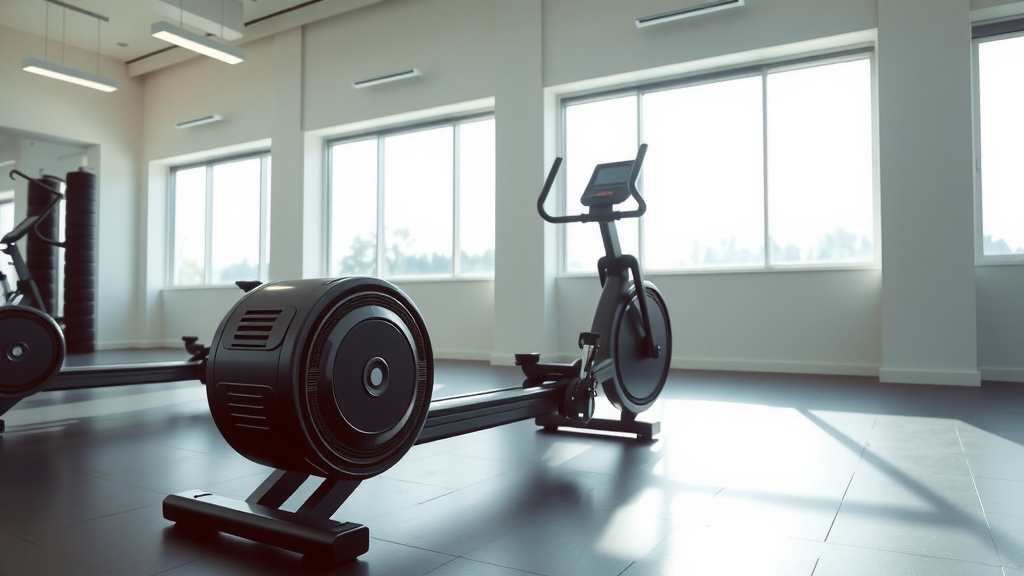
Yes, a rowing machine can be good for your lower back when used with proper technique and core engagement.
However, incorrect form on a rowing machine can put undue strain on your lower back, potentially worsening existing pain or creating new issues.
- A rowing machine can strengthen your back if you use correct form.
- Poor technique is a common cause of lower back pain during rowing.
- Engaging your core muscles is vital for protecting your spine.
- Listen to your body; stop if you feel sharp pain.
- Consult a doctor or physical therapist if you have persistent back issues.
Is Rowing Machine Good For Lower Back?
Rowing can be a great full-body workout that supports lower back health. It strengthens muscles around your spine. But good form is always key.
The Double-Edged Oar: How Rowing Affects Your Back
Think of rowing like a powerful dance for your whole body. It engages many muscle groups. Your back muscles are definitely part of that.
We found that when done right, rowing can actually help build a stronger back. It supports good posture. Yet, get it wrong, and your back might protest.
When Rowing Helps Your Back
When you row with excellent form, you strengthen your posterior chain. This includes your glutes, hamstrings, and the muscles supporting your spine. Many experts say this can improve your overall back stability (Mayo Clinic).
A strong core and back can mean less susceptibility to everyday aches. Rowing promotes a balanced strength. This balance helps to distribute physical stress evenly.
When Rowing Hurts Your Back
The main culprit for back pain from rowing is often poor technique. If you round your back or pull too hard with your arms, you stress your lumbar spine. This is a common mistake.
Over-reliance on your lower back instead of your powerful legs is another issue. This can lead to muscle strain. It might even cause disc problems over time. Research often connects improper movement patterns with increased injury risk (NIH).
Perfecting Your Rowing Form: A Back Saver
So, how do you make rowing your back’s best friend? It all starts with learning the proper stroke. This is not just about moving back and forth. It is a precise sequence.
Imagine your body as a coordinated chain. Each part plays its role. This keeps your spine safe and strong throughout the movement.
The Drive: Power from Your Legs
Your drive phase should begin with your legs. Push off the footplate forcefully. This is where most of your power comes from. Think pushing away, not pulling back.
Keep your core engaged as you push. Your back stays straight and tall. Avoid hunching forward or leaning back too soon.
The Finish: Lean Back, But Not Too Far
As your legs extend, you lean back slightly from your hips. Your shoulders come behind your hips. This movement is small and controlled. You want a slight recline, not a deep slump.
Your hands finish near your lower ribs. Keep your wrists flat. Your elbows should point outwards slightly. This helps keep your shoulders relaxed.
The Recovery: Smooth and Controlled
The recovery is the reverse of the drive. Extend your arms first. Then hinge forward from your hips. Finally, bend your knees to slide back to the catch position. This should feel like a controlled unwind.
Maintain your core engagement throughout. Do not let your back round as you come forward. Keep your movements fluid and deliberate. You are resetting for the next powerful stroke.
Engaging Your Core: Your Back’s Best Friend
Your core muscles act like a natural corset for your spine. When you engage them, you provide stability. This is especially true during the dynamic movements of rowing.
Think of pulling your belly button towards your spine. You do not need to suck in your stomach. Just a gentle tightening. This helps to protect your lower back (Cleveland Clinic).
Listening to Your Body: Warning Signs
Your body is a smart messenger. It tells you when something is wrong. Pay attention to its signals. Do not push through pain.
If you feel sharp or increasing pain in your lower back, stop immediately. It is better to rest than to risk a more serious injury. Sometimes, a slight adjustment to your form is all you need.
Common Mistakes to Avoid
Sometimes, we fall into bad habits without realizing it. Knowing what to watch for can save your back. These are not always obvious.
- Rounding your back during any part of the stroke.
- Pulling too hard with your arms and shoulders, not your legs.
- Leaning back too far at the finish, straining your lower back.
- Slouching at the catch position before starting the drive.
- Jerking movements instead of smooth, controlled transitions.
Modifying Your Routine for Back Comfort
If you have a history of back pain, you can still row. You might just need to adjust your approach. Sometimes less is more when it comes to intensity.
Consider shorter sessions. Focus purely on form over speed. You might also want to try different resistance settings. Here are some ideas:
| Modification Area | How to Adjust |
|---|---|
| Stroke Rate (SPM) | Lower your strokes per minute. Aim for 18-22 SPM. |
| Resistance Level | Use a lighter damper setting. This reduces strain. |
| Session Length | Start with 5-10 minute sessions. Build up slowly. |
| Focus | Prioritize perfect form over speed or distance. |
Strengthening Your Core Beyond the Rower
While rowing helps your core, other exercises can boost its strength even more. A strong core is your best defense against back issues. These exercises complement your rowing routine.
Aim for consistency with these movements. They will make your rowing safer and more effective. You will feel more stable both on and off the machine.
- Planks: Hold a straight line from head to heels.
- Bird-dog: Extend opposite arm and leg while keeping your back flat.
- Dead bugs: Slowly lower opposite arm and leg, pressing your lower back to the floor.
- Side planks: Support yourself on one forearm, keeping your body straight.
- Glute bridges: Lift your hips off the floor, squeezing your glutes.
- Superman: Lie on your stomach and lift arms and legs slightly.
When to Seek Expert Advice
Sometimes, despite your best efforts, back pain persists. This is when a professional can offer personalized guidance. Do not hesitate to reach out.
If you have chronic lower back pain, consult a doctor or physical therapist. They can diagnose the root cause. They can also provide specific exercises or modifications. Your health is always the top priority.
Conclusion
A rowing machine can absolutely be good for your lower back. It can build strength and stability. The key lies in mastering proper form and consistently engaging your core. Listen to your body, make adjustments, and consider expert advice when needed. With the right approach, rowing can be a fantastic, low-impact workout that supports a healthy back.
What muscles does rowing primarily use?
Rowing uses almost all major muscle groups. It heavily engages your legs (quads, hamstrings, glutes), core (abs, obliques), and back (lats, rhomboids, traps). Your arms and shoulders also play a role.
Is rowing a low-impact exercise for your joints?
Yes, rowing is considered a low-impact exercise. Your feet remain connected to the footplate and your body glides smoothly. This reduces stress on your knees, hips, and ankles compared to activities like running.
Can I row if I have a pre-existing back injury?
If you have a pre-existing back injury, it is strongly recommended to consult your doctor or a physical therapist before starting a rowing program. They can advise if it is safe for you and suggest specific modifications or exercises.
How often should I row to see back strengthening benefits?
Consistency is more important than intensity. Start with 2-3 sessions per week, focusing on good form. As your strength and endurance improve, you can gradually increase frequency or duration. Always prioritize proper technique.
What are common signs of bad rowing form that affect the back?
Common signs include a rounded lower back at any point in the stroke, excessive leaning back at the finish, or jerky movements. If you feel pain in your lower back during or after rowing, it is a strong indicator of form issues.
