Is Rowing Machine Good For Scoliosis?
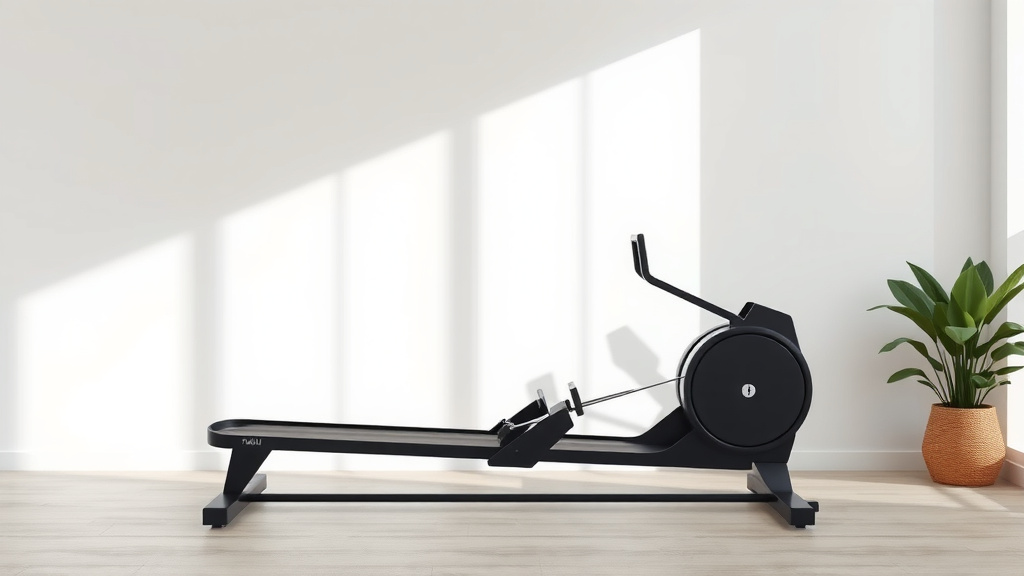
Yes, a rowing machine can be good for scoliosis, but only when you approach it with caution and correct technique.
It can help strengthen your core and back muscles, which are vital for supporting your spine and potentially improving posture, provided you have medical clearance.
- A rowing machine offers a full-body workout, engaging your core and back, which is helpful for scoliosis.
- Always consult your doctor or physical therapist before starting any new exercise with scoliosis.
- Proper form is non-negotiable to prevent injury and ensure symmetrical muscle engagement.
- Modifications might be necessary to accommodate your specific spinal curve.
- Listen to your body carefully; any pain means you should stop and reassess your approach.
Is Rowing Machine Good For Scoliosis?
You might be wondering if a rowing machine is a safe choice when you have scoliosis. The short answer is it can be, with the right approach. Rowing can be a powerful tool for improving overall fitness and muscle balance, which are important aspects of managing scoliosis.
Scoliosis involves a sideways curvature of the spine, often appearing as an “S” or “C” shape. This condition can sometimes lead to muscle imbalances, with one side of your back working harder than the other. Exercise, including rowing, aims to help strengthen the supporting muscles around your spine.
Understanding Scoliosis and Exercise
Living with scoliosis means thinking carefully about your exercise choices. Your goal is usually to build strength, improve flexibility, and maintain good posture. Many experts say that exercises focusing on your core and back are especially beneficial (Mayo Clinic).
The right movements can help stabilize your spine. They can also prevent muscle weaknesses that might make your curve feel worse. It’s like building a strong support system for a delicate structure.
The Allure of Rowing for Fitness
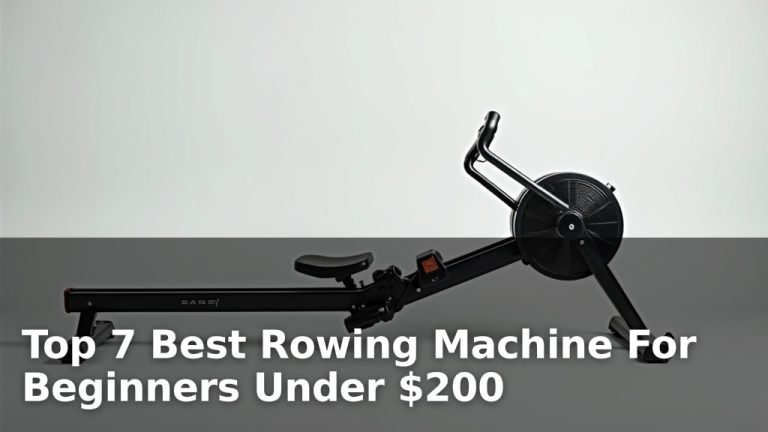
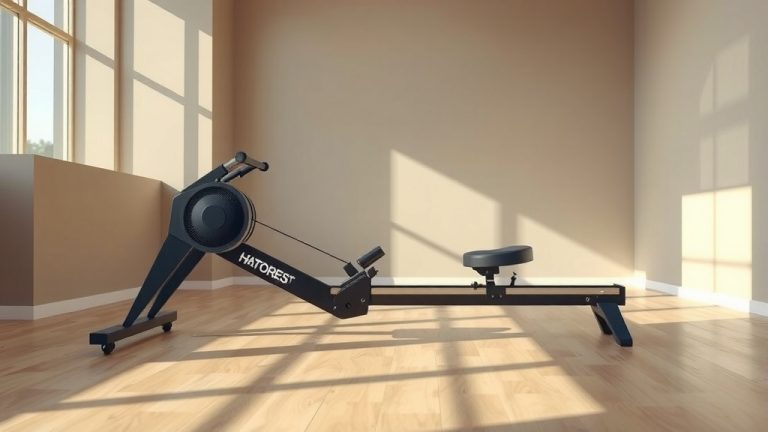
Rowing is a fantastic full-body workout. It works your legs, core, back, and arms in a smooth, low-impact motion. This means you get a great workout without harsh pounding on your joints. For many, it’s a refreshing change from high-impact activities.
We found that people often enjoy rowing for its cardiovascular benefits and muscle-building potential. It’s a convenient exercise you can do indoors, regardless of the weather outside. So, what makes it potentially suitable for scoliosis?
Potential Benefits of Rowing for Scoliosis
When done correctly, rowing offers several advantages that could benefit someone with scoliosis. These benefits primarily revolve around strengthening and balancing your body.
Core Strength is King
A strong core is like your body’s natural corset. It provides essential support for your spine. Rowing actively engages your abdominal and lower back muscles. Research often connects a strong core with better spinal stability (NIH).
This stability can help manage some of the challenges that come with scoliosis. Think of your core as the foundation of your posture.
Improving Back Muscle Balance
Scoliosis often creates imbalances in your back muscles. One side might be tighter or stronger than the other. Rowing, when performed symmetrically, can help you work both sides of your back equally.
This can encourage more balanced muscle development over time. Many guidelines point to balanced muscle strength as a good step for managing spinal curves (Cleveland Clinic).
Low-Impact Movement
Unlike running or jumping, rowing is a low-impact exercise. This means it’s gentler on your joints and spine. If you experience discomfort with high-impact activities, rowing could be a welcome alternative.
This gentle nature reduces the risk of jarring your spine. It allows you to focus on movement quality and muscle engagement without added stress.
Risks and Considerations for Rowing with Scoliosis
While rowing has benefits, it’s not without potential risks, especially if you have scoliosis. Understanding these risks helps you approach the exercise safely.
Asymmetrical Movement Concerns
If your scoliosis is significant, you might naturally row with an asymmetrical motion. This could worsen existing muscle imbalances or even strain your back. It’s crucial to be aware of your body’s movements.
We found that poor form can quickly turn a beneficial exercise into a harmful one. This is especially true for those with spinal conditions. You don’t want to inadvertently reinforce your curve.
Spinal Compression Potential
Some phases of the rowing stroke, particularly the drive and recovery, involve spinal flexion and extension. If done incorrectly or too aggressively, this could put undue compression or rotational stress on your spine.
It’s vital to maintain a neutral spine as much as possible throughout the stroke. This helps protect your discs and vertebrae. Your spine is a precious commodity!
The Golden Rule: Consult Your Doctor or Physical Therapist
Before you even think about stepping onto a rowing machine, talk to your doctor. Seriously, this is not optional. They know your specific curve and overall health best.
They might recommend a physical therapist. A therapist can assess your condition, show you proper form, and suggest modifications. This personalized guidance is your best defense against injury.
Scoliosis and Rowing: Benefits vs. Risks at a Glance
Here’s a quick look at why rowing might be a good fit, and what to watch out for.
| Potential Benefits | Potential Risks |
|---|---|
| Builds core and back strength | Risk of asymmetrical movement |
| Low-impact exercise | Potential for spinal compression with poor form |
| Enhances posture awareness | Exacerbating existing imbalances |
| Full-body cardiovascular workout | Increased pain or discomfort |
Mastering Proper Rowing Form with Scoliosis
If you get the green light, form is everything. Think of it as painting a masterpiece; every stroke matters. Bad form can do more harm than good.
The Catch: Starting Position
At the front of the machine, your knees should be bent, shins vertical. Lean forward slightly from your hips, keeping your back straight. Your arms should be extended forward, gripping the handle.
Avoid excessive rounding or arching of your spine. Focus on keeping your shoulders relaxed and level.
The Drive: Powering Back
Push off with your legs first. Then, hinge back from your hips. Finally, pull the handle towards your upper abdomen or lower chest. Your core should be engaged throughout.
Resist the urge to twist your torso or pull unevenly. We found that a smooth, sequential movement is key to protecting your back.
The Finish: End of the Stroke
At the end of the drive, your legs should be straight, and you should be leaning slightly back. The handle should be at your body, with your elbows past your torso.
Ensure your spine remains straight, not hyperextended. You should feel strong and stable in this position.
The Recovery: Returning Forward
Extend your arms first, away from your body. Then, hinge forward from your hips. Let your knees bend as you slide back to the starting position.
This phase should be controlled and mindful. Don’t rush it. Think of it as the setup for your next powerful stroke.
Modifications for a Scoliosis-Friendly Row
You might need to tweak your rowing technique to suit your body. Small changes can make a big difference for comfort and safety.
- Adjust the Foot Straps: Ensure your feet are secure and comfortable. If one side feels off, check the strap.
- Use a Mirror: Row facing a mirror if possible. This helps you visually check for any asymmetry in your stroke or posture. Are your shoulders level? Is your back straight?
- Reduce Resistance: Start with lower resistance. This allows you to focus purely on form without battling the machine. Slowly increase it as your strength and form improve.
- Shorten Your Stroke: You might not need a full-range stroke, especially if it causes discomfort. A slightly shorter stroke that maintains good form is always better than a full but painful one.
- Mindful Core Engagement: Continuously engage your core. Imagine gently pulling your belly button towards your spine. This helps stabilize your torso.
When to Pause or Avoid Rowing
Not every exercise is for everyone, all the time. There are moments when rowing might not be your best option.
Acute Pain or Flare-Ups
If you are experiencing a flare-up of back pain or acute discomfort, avoid rowing. Pushing through pain can worsen your condition. Listen to your body’s signals.
Your body is smart. It tells you when something isn’t right. Rest and recovery are crucial during these times.
Post-Surgery Restrictions
If you’ve had spinal surgery for scoliosis, you will have specific restrictions. Follow your surgeon’s and physical therapist’s advice diligently. They will guide your return to exercise.
Often, it takes time for your body to heal and adapt. Don’t rush the process; patience is a virtue here.
Before You Row: A Scoliosis Checklist
Here’s a quick list to run through before your next rowing session:
- Consulted your doctor? (Absolutely essential)
- Understood your specific curve? (Knowledge is power)
- Learned proper rowing form? (Maybe from a PT)
- Checked for any pain or discomfort? (Stop if it hurts)
- Planned for modifications if needed? (Personalize your workout)
- Warmed up sufficiently? (Always a good idea)
Conclusion
So, is a rowing machine good for scoliosis? The answer, like many things in life, is nuanced. It absolutely has the potential to be a beneficial exercise, strengthening your core and promoting muscle balance, which are key for managing scoliosis. However, this potential hinges entirely on a few critical factors.
Your journey with rowing and scoliosis must begin with a conversation with your healthcare provider. Get their clearance, and consider working with a physical therapist to master perfect form. Listen to your body, make necessary adjustments, and never push through pain. Approach rowing mindfully, and it could become a valuable part of your fitness routine, helping you feel stronger and more stable.
Is a rowing machine better than cycling for scoliosis?
For scoliosis, neither is universally “better” without knowing your specific condition. Rowing offers a full-body, low-impact workout that strengthens the core and back, which is often beneficial. Cycling primarily works the lower body and can sometimes encourage a forward-flexed posture, which might not be ideal for all scoliosis types. Always get medical advice to determine the best choice for you.
How can I make rowing more comfortable with scoliosis?
To make rowing more comfortable, focus on maintaining a neutral spine throughout the stroke, reducing resistance, and potentially shortening your range of motion. Use a mirror to check for symmetrical movement. Ensure proper foot strap placement and consider a padded seat if needed. Most importantly, listen to your body and adjust immediately if you feel any discomfort.
Can rowing worsen my scoliosis curve?
If performed with poor form, especially with asymmetrical movements or excessive spinal compression, rowing could potentially worsen muscle imbalances or discomfort associated with your scoliosis. That’s why expert guidance, proper technique, and being mindful of your body’s signals are absolutely crucial to prevent any negative impact on your spinal curve.
What exercises should I avoid if I have scoliosis?
Exercises to avoid with scoliosis often include those that involve heavy spinal loading, extreme twisting, or significant impact, especially if they cause pain. Examples might be certain types of weightlifting, aggressive contact sports, or activities that create asymmetrical stress on the spine without proper strengthening. Always consult your doctor or physical therapist for a personalized list based on your specific curve.
How often should someone with scoliosis row?
The ideal frequency for rowing with scoliosis varies greatly depending on your physical condition, the severity of your curve, and your doctor’s recommendations. Starting slowly, perhaps 2-3 times a week for shorter durations, is often advised. Gradually increase frequency and duration as your strength improves and as long as you remain pain-free and maintain excellent form. Consistency is more important than intensity.