Can I Use A Rowing Machine With A Torn Meniscus?
Using a rowing machine with a torn meniscus is possible for some, but it requires extreme caution and a doctor’s explicit approval. Your approach must prioritize protecting your knee joint.
Always consult with your physician or a physical therapist before considering a rowing machine with a torn meniscus to prevent further injury. They can assess your specific situation.
- You might use a rowing machine with a torn meniscus, but only after your doctor says it’s okay.
- Physical therapy is often a key step before you even think about rowing.
- Proper form and careful machine adjustments are non-negotiable to protect your knee.
- Listen to your body very closely; pain means you need to stop right away.
- Some torn menisci are too severe for rowing, so always get medical guidance.
Can I Use A Rowing Machine With A Torn Meniscus?
You can sometimes use a rowing machine with a torn meniscus, but it is not a simple yes or no answer. Your doctor or physical therapist must guide this decision very carefully.
Understanding Your Meniscus Injury
Your meniscus is a C-shaped piece of cartilage in your knee, acting like a shock absorber. When it tears, movements that involve twisting, deep bending, or compression can cause pain and further damage.
There are different types of meniscus tears. Some are small and stable, while others are large and unstable (Mayo Clinic). The type of tear significantly impacts what exercises you can do safely.
Understanding your specific injury helps you make the right choices for your recovery. We found that recovery often involves rest and rehabilitation.
Why Rowing Can Be Tricky for Your Knee
Rowing is a fantastic full-body workout. However, it involves significant knee flexion and extension, especially during the drive phase. This movement can put stress on a healing meniscus.
The deep squat at the catch, combined with the push-off, can create compression and shear forces on your knee. These forces are exactly what you need to avoid with a torn meniscus.
Many experts say that improper form can worsen knee injuries (American Academy of Orthopaedic Surgeons). This makes careful attention to your technique absolutely vital.
The Catch Phase: A Key Concern
At the “catch” part of the stroke, your knees are deeply bent. This position can put significant pressure on your meniscus. If your tear is in an area sensitive to compression, this position might be painful.
We found that limiting deep knee flexion is often recommended in early meniscus recovery (NIH). This means you might need to modify your rowing stroke significantly.
Consult Your Doctor First: Non-Negotiable Advice
Before you even think about stepping onto a rowing machine, you must talk to your doctor. They will have assessed your injury thoroughly and can give you specific guidance.
Your physician can tell you if your meniscus tear is stable enough for any type of exercise. They might also advise you on specific movements to avoid entirely.
We cannot stress this enough: medical clearance is your first step. Ignoring this could lead to more pain or a longer recovery period.
Physical Therapy: Your Best Friend for Recovery
A physical therapist is a crucial partner in your recovery journey. They can teach you safe ways to move and strengthen the muscles supporting your knee.
They can also assess your rowing form and suggest specific modifications to protect your meniscus. They might even guide you through the motions without resistance initially.
We often see that strengthening surrounding muscles helps stabilize the joint (Cleveland Clinic). This preparation is key before you introduce impact or resistance.
Modifying Your Rowing Form for Safety
If your doctor gives you the green light, modifying your rowing form is essential. Your goal is to minimize stress on your knee while still getting a workout.
Think about a shorter stroke. You might not go as far forward in the “catch” position, reducing deep knee flexion. Many experts suggest reducing the range of motion.
Focus more on using your hips and core, rather than pushing hard with your legs. This shifts some of the workload away from your vulnerable knees.
Foot Placement Matters
Adjusting your foot straps can also help. Placing your feet slightly higher on the foot stretchers might reduce how much your knees bend at the catch. Experiment gently and see what feels best.
Ensure your feet remain flat on the footrests throughout the stroke. Lifting your heels too much at the catch can add extra strain to your knees.
Adjusting Machine Settings: Resistance and Damper
Lowering the resistance or damper setting on your rowing machine is a smart move. Higher resistance means more force through your legs and knees.
Start with a very low setting, almost no resistance. Your focus should be on smooth, controlled movements, not power output.
Gradually increase the setting only if you feel no pain or discomfort. Remember, slow and steady wins the race in injury recovery.
Listen to Your Body: The Ultimate Guide
This is perhaps the most important piece of advice: your body will tell you what’s okay. Any sharp pain, aching, or discomfort in your knee is a sign to stop immediately.
Don’t try to push through pain, especially with a meniscus tear. Doing so could easily re-injure your knee or make the existing tear worse.
Some people say “no pain, no gain,” but with a meniscus injury, it’s more like “pain means stop and reassess.”
The Benefits of Gentle Movement
While caution is paramount, gentle movement can be beneficial for recovery. It helps improve circulation to the injured area, which can aid healing.
Controlled exercise also helps maintain muscle strength around your knee, which supports the joint. This can prevent atrophy during your recovery period.
Many rehabilitation programs include low-impact, controlled exercises to promote healing and function (Mayo Clinic).
When to Avoid Rowing Entirely
Some meniscus tears are simply too severe or unstable for a rowing machine. If your doctor advises against it, or if you experience consistent pain, do not row.
If you have swelling, locking, or catching in your knee, these are all signs that rowing is not appropriate. These symptoms indicate instability or further damage.
Sometimes, surgery might be necessary before any return to impact exercises. Always follow your medical team’s advice.
Building Back Gradually and Smartly
If you do get clearance and start rowing, begin with very short sessions. Try just 5-10 minutes at a low intensity, focusing on perfect form.
Slowly increase your duration and intensity over weeks, not days. This gradual progression allows your knee to adapt and heal without being overloaded.
Think of it like adding layers to a cake; build up one step at a time. Don’t rush the process, even if you feel good.
Pre-Row Checklist for Your Torn Meniscus
Before you even begin your rowing session, run through this quick checklist:
- Did my doctor give me approval to row?
- Have I completed my physical therapy exercises?
- Is my knee feeling stable and pain-free today?
- Are my rowing machine settings on a low resistance?
- Do I have a clear plan for modified form and shorter range of motion?
- Am I ready to stop immediately if I feel any pain?
Alternative Low-Impact Exercises for Knee Health
If rowing feels too risky, or if your doctor advises against it, many other exercises are gentler on your knees. These can still provide an excellent workout.
These alternatives focus on cardiovascular fitness and muscle strengthening without the high knee flexion or impact. Your goal is to stay active safely.
| Exercise Type | Knee Impact | Meniscus Suitability |
|---|---|---|
| Stationary Cycling | Low to Medium | Often good, especially with higher seat position to reduce flexion. |
| Swimming/Water Aerobics | Very Low | Excellent choice; water buoyancy reduces joint stress. |
| Elliptical Trainer | Low | Generally good, but monitor knee flexion and rotation. |
| Walking | Low | Typically safe on flat surfaces, avoid uneven terrain. |
| Upper Body Ergometer | None (Legs) | Ideal for cardio without any knee involvement. |
Conclusion
Using a rowing machine with a torn meniscus demands a cautious and informed approach. Your primary goal is always to protect your knee and promote healing, not to push through discomfort. Medical clearance from your doctor and guidance from a physical therapist are not just recommendations; they are essential prerequisites.
Listen intently to your body, modify your technique, and be prepared to stop if pain occurs. Remember that your health and long-term joint function are far more important than any single workout. With the right support and adjustments, some individuals can incorporate gentle rowing into their recovery, but it’s always a journey best taken with expert advice.
Can a rowing machine make a meniscus tear worse?
Yes, absolutely. If you use improper form, row with too much intensity, or if your meniscus tear is unstable, the repetitive knee flexion and extension on a rowing machine can worsen your injury. It can increase pain, cause further tearing, or lead to complications.
What exercises should I avoid with a torn meniscus?
You should generally avoid exercises that involve deep knee bending, twisting, pivoting, or high impact. This includes deep squats, lunges, high-impact running, jumping, and sports that require sudden changes in direction. Always consult your doctor or physical therapist for a personalized list based on your specific tear.
How long should I wait to exercise after a meniscus tear?
The waiting period varies greatly depending on the severity of your tear, whether you had surgery, and your individual recovery rate. For minor tears, you might start gentle, physician-approved exercises within days or weeks. Post-surgery, it could be several weeks or months of guided physical therapy before resuming moderate activities. Your medical team will provide a timeline.
Are there specific rowing machine types better for a torn meniscus?
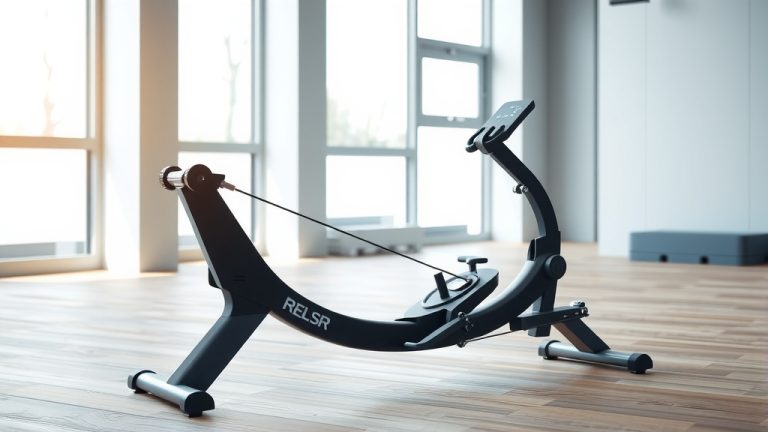
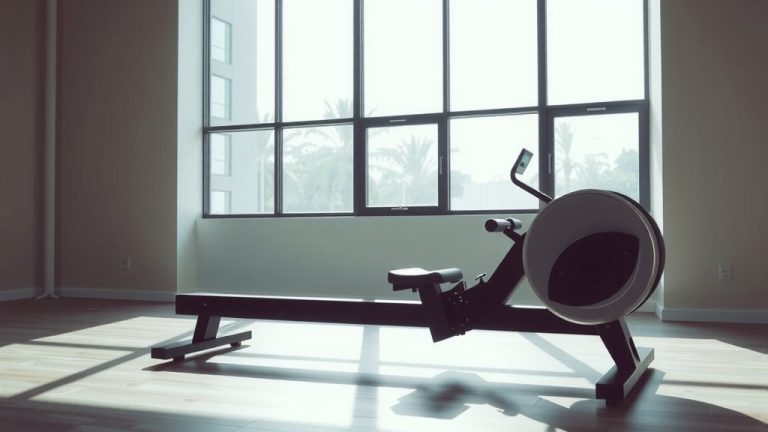
Some people find air or magnetic resistance rowers, which offer smoother, more consistent resistance, to be gentler. However, the type of machine is less important than your form, intensity, and knee flexion range. Focusing on a controlled, modified stroke on any machine is key, rather than relying on a specific model.
What are the signs I’m overdoing it on the rowing machine with a meniscus tear?
Key signs you’re overdoing it include increased knee pain during or after your session, swelling, stiffness, a feeling of “catching” or “locking” in your knee, or any new instability. If you experience any of these, stop exercising immediately, rest, and consider contacting your doctor or physical therapist.