What Is A Good Rowing Machine?
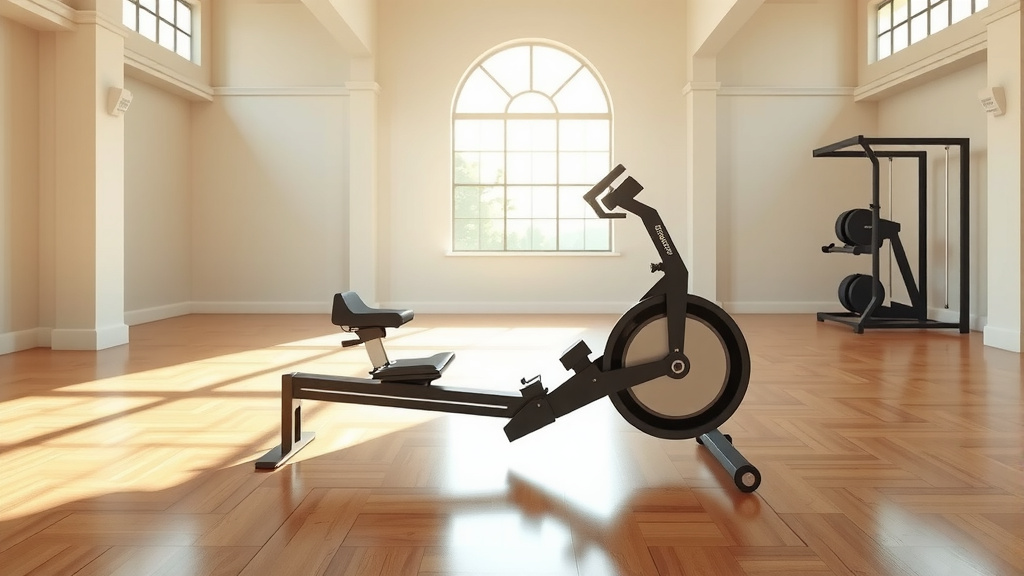
A good rowing machine fits your fitness goals, body type, and budget while providing a smooth, effective workout. It should offer consistent resistance, comfortable ergonomics, and clear performance tracking.
Ultimately, what defines a truly good rowing machine often comes down to its durability, user experience, and how well it supports your long-term health journey.
- A good rowing machine provides a full-body workout that’s gentle on your joints.
- Look for a rower with a resistance type that matches your workout preference and budget.
- Comfortable seating, sturdy build, and a clear monitor are key features to prioritize.
- Storage options and ease of assembly significantly contribute to user satisfaction.
- Investing in a quality machine can boost your fitness for years to come.
What Is A Good Rowing Machine?
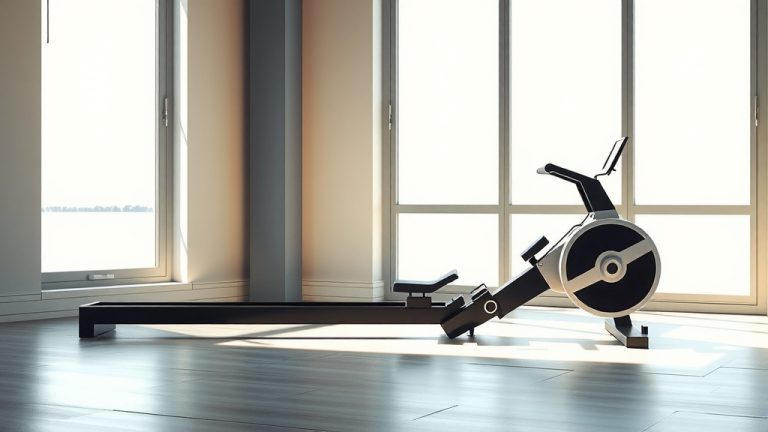
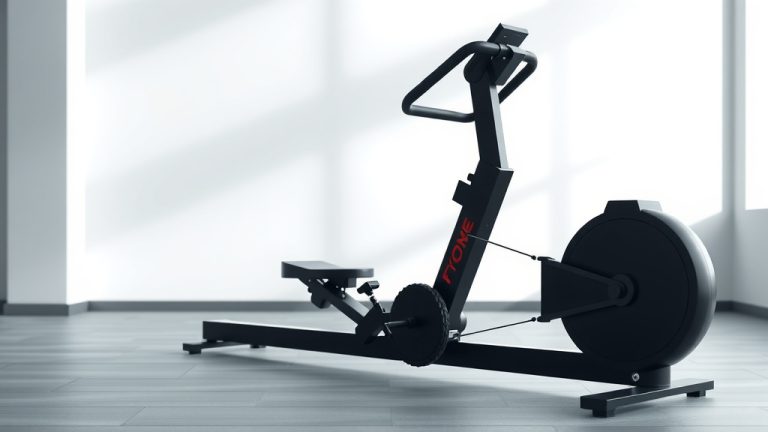
A good rowing machine is a piece of fitness equipment that offers an efficient, low-impact full-body workout. It should feel robust, operate smoothly, and provide accurate performance data tailored to your needs.
Why Does “Good” Matter for Your Rower?
Choosing a good rowing machine isn’t just about buying any piece of equipment. It’s about finding a fitness partner that genuinely supports your health aspirations. You want something that encourages you to keep moving, not one that gathers dust in the corner.
Think of it like choosing a good pair of running shoes; the right fit makes all the difference (American Council on Exercise). A poor fit can lead to discomfort or even injury. The same goes for your rower.
Understanding Core Resistance Types
The heart of any rowing machine is its resistance system. This is what creates the “pull” sensation you feel during your workout. We found that understanding these types helps you choose wisely.
Each type offers a unique feel and sound. Knowing what you prefer can narrow down your choices quickly.
Air Resistance Rowers
These are popular in gyms and known for their smooth, progressive resistance. The harder you pull, the more air resistance you get.
Many experts say air rowers offer a feel similar to on-water rowing (Concept2). They can be a bit noisy, but provide excellent feedback.
Water Resistance Rowers
Water rowers mimic the natural feel of rowing on water, providing a soothing whooshing sound. The resistance adjusts automatically with your effort.
Research often highlights their smooth stroke and aesthetic appeal. They tend to be quieter than air rowers.
Magnetic Resistance Rowers
These rowers use magnets to create resistance, offering a very quiet workout. You typically adjust the resistance level manually.
Magnetic rowers are excellent for small spaces or apartments where noise is a concern. They provide consistent resistance levels.
Hydraulic Piston Rowers
Hydraulic rowers are often the most compact and budget-friendly option. They use hydraulic cylinders for resistance.
While compact, they might not offer the same full-body, symmetrical workout as other types. Some users notice arm-specific resistance.
Key Features of a Good Rowing Machine
Beyond resistance, several other factors contribute to a rowing machine’s quality. These elements shape your entire workout experience.
Consider these features carefully; they will affect your comfort, motivation, and the longevity of your machine.
Build Quality and Durability
A good rowing machine feels solid and stable during use. It shouldn’t wobble or creak under pressure. We found that machines with a high user weight capacity usually indicate better construction.
Look for materials like steel frames or high-quality aluminum. These resist wear and tear over time, ensuring your investment lasts (Consumer Reports).
Comfort and Ergonomics
Your comfort is paramount for consistent workouts. A well-designed seat, handle, and footrests prevent aches and pains.
- Seat: Does it glide smoothly? Is it contoured for comfort, or does it feel like a hard block?
- Handle: Is it easy to grip? Does it allow for a natural wrist position?
- Footrests: Are they adjustable for different shoe sizes? Do they securely hold your feet?
The Performance Monitor: Your Workout Dashboard
A good monitor tracks crucial data like strokes per minute, distance, time, and calories burned. Some even offer pre-set programs or heart rate connectivity.
An intuitive display helps you stay motivated and track progress. We found that a clear, easy-to-read screen makes a big difference (NIH research on exercise adherence).
Practical Considerations for Your Home Gym
Even the best rowing machine won’t be good for you if it doesn’t fit into your life. Think about space, storage, and assembly.
Size and Storage Capabilities
Do you have dedicated space, or will you need to store it away? Many good rowing machines fold or can be stored upright.
Measure your space before you buy. Some rowers have a much larger footprint than you might imagine when in use.
Ease of Assembly and Maintenance
No one wants a complicated puzzle to put together. Look for models with clear instructions and minimal parts for assembly.
Most good rowing machines require very little maintenance beyond wiping them down. Checking bolts and chains periodically is usually enough.
Considering Your Budget
A higher price often suggests better build quality and more features, but it’s not always true. You can find excellent value across different price points.
Decide what features are absolute must-haves and what you can compromise on. We found that setting a realistic budget helps you focus your search.
Making the Right Choice for You
Finding a good rowing machine isn’t about finding the “best” one overall. It’s about finding the best fit for *your* unique situation. What are your fitness goals?
Are you training for endurance, general fitness, or recovery? Your answer guides your choice. Many fitness professionals suggest aligning equipment to personal goals.
Quick Checklist for a Good Rower
- Offers your preferred resistance type (air, water, magnetic).
- Feels stable and well-built with quality materials.
- Provides a comfortable, ergonomic seat, handle, and footrests.
- Features a clear, easy-to-use performance monitor.
- Fits your available space, potentially with folding capabilities.
- Comes within your budget while meeting core needs.
- Has positive user reviews regarding durability and performance.
Resistance Type Comparison Table
Here’s a quick overview to help you compare the main resistance types:
| Resistance Type | Pros | Cons |
|---|---|---|
| Air | Progressive, gym-like feel, excellent data. | Can be noisy, larger footprint. |
| Water | Smooth, natural feel, quiet whooshing sound. | Can be heavy to move, water maintenance. |
| Magnetic | Very quiet, compact, consistent resistance levels. | Less natural feel, fixed resistance options. |
| Hydraulic | Most compact, budget-friendly. | Less full-body workout, less fluid motion. |
Conclusion
Finding a good rowing machine truly means finding the right machine for *you*. It’s a blend of performance, comfort, and practicality. By considering resistance types, build quality, ergonomics, and your personal circumstances, you can make an informed choice.
A well-chosen rower becomes a powerful tool for your health, offering consistent, effective workouts that fit seamlessly into your life. Take your time, do a little research, and enjoy the journey to better fitness.
What is the best type of resistance for a home rowing machine?
The “best” resistance depends on your preference. Air and water rowers offer a more natural, progressive feel, often preferred for serious training. Magnetic rowers are ideal if quiet operation is your top priority. Hydraulic rowers are best for small spaces and tight budgets.
How much space do I need for a good rowing machine?
Most rowing machines require an area of about 8 to 9 feet in length and 2 to 3 feet in width during use. Many models fold or stand upright, reducing the storage footprint significantly when not in use. Always check the dimensions of the specific model.
Are rowing machines good for weight loss?
Yes, rowing machines are excellent for weight loss because they provide a full-body, high-intensity cardio workout that burns many calories. They also build muscle, which further boosts metabolism. Consistency is key for achieving weight loss goals with a rower.
How important is the monitor on a rowing machine?
The monitor is quite important as it provides essential feedback on your workout, such as distance, time, strokes per minute, and calories. A good monitor helps you track progress, stay motivated, and tailor your workouts effectively. Some even offer pre-set programs or heart rate connectivity.
Can I get a full-body workout from a rowing machine?
Absolutely! Rowing is renowned for being one of the few exercises that truly engages nearly every major muscle group in your body. It works your legs, core, back, and arms, providing a comprehensive strength and cardiovascular workout simultaneously (Mayo Clinic).