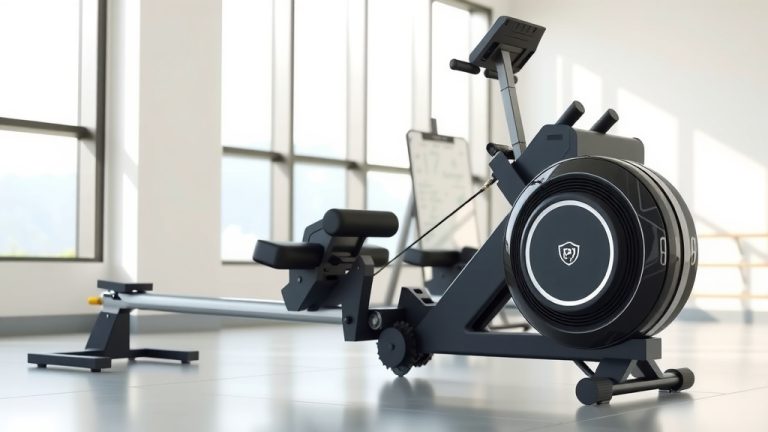
How Does A Rowing Machine Work?
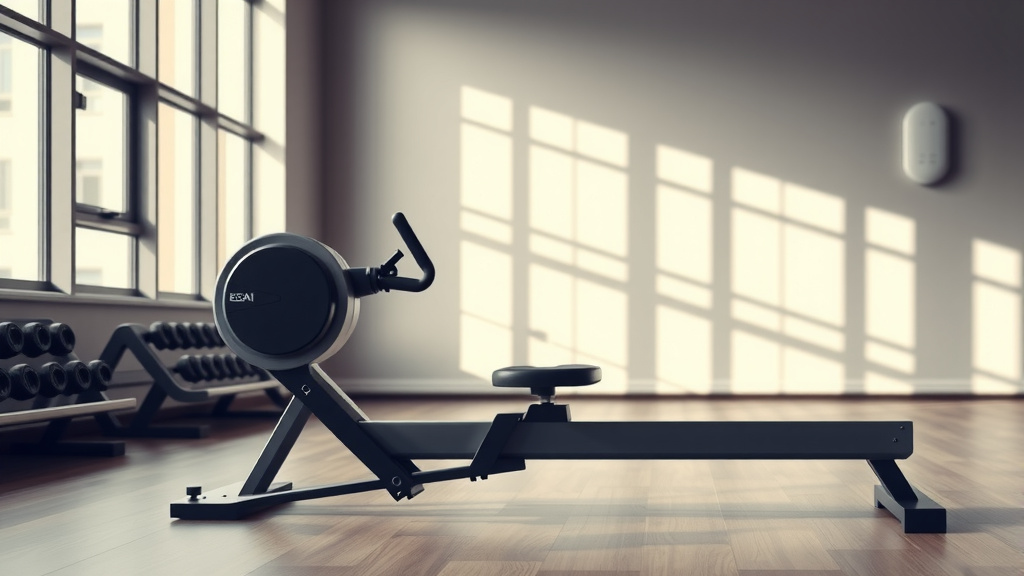
A rowing machine works by translating your body’s power through a handle and chain into a flywheel or resistance mechanism, simulating the act of rowing a boat. This creates a full-body workout that engages major muscle groups.
Essentially, you pull against a resistance to move a seat on a slide, pushing with your legs and pulling with your arms and back in a coordinated, low-impact motion.
Ready to understand the magic behind one of the most effective fitness machines out there? Here’s a quick overview of how a rower powers your workout:
- Rowing machines simulate water resistance or use mechanical systems.
- Your legs push, your core stabilizes, and your arms pull.
- This creates a smooth, continuous, and highly efficient motion.
- It offers a full-body, low-impact workout that’s kind to your joints.
How Does A Rowing Machine Work?
A rowing machine functions by connecting your effort directly to a resistance system, much like how an oar pushes against water. You push off with your legs and pull the handle to create movement.
Understanding the Core Mechanics
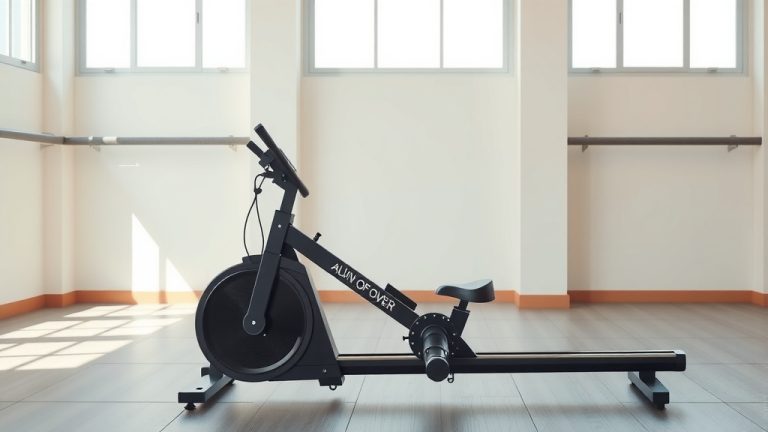
At its heart, a rowing machine, or ergometer, is a simple yet brilliant piece of engineering. It takes the power you generate and uses it to spin a flywheel or move a paddle against a medium. This process provides a fantastic workout.
The Seat and Footrests
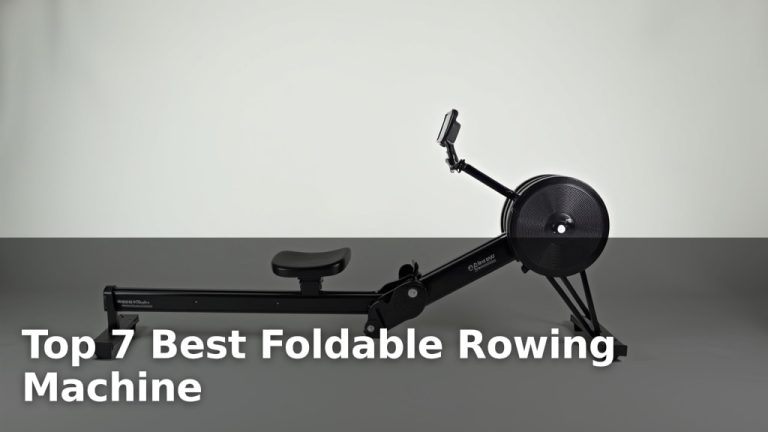
You sit on a padded seat that slides along a rail, allowing your body to move forward and back. Your feet are strapped into footrests, providing a stable base for pushing.
This sliding seat is key. It allows for a deep leg push, which is the primary source of power in each stroke. Think of it like a spring, ready to release energy.
The Handle and Chain
You hold a handle connected to a chain or strap. This chain then links to the resistance mechanism. When you pull, you engage the resistance.
The handle and chain are your connection to the machine’s engine. Your pulling action directly impacts how much “work” the rower registers.
Different Types of Rowing Machine Resistance
Rowing machines offer various ways to create resistance, each with a distinct feel. We found that understanding these types helps you choose the perfect machine.
Air Resistance Rowers
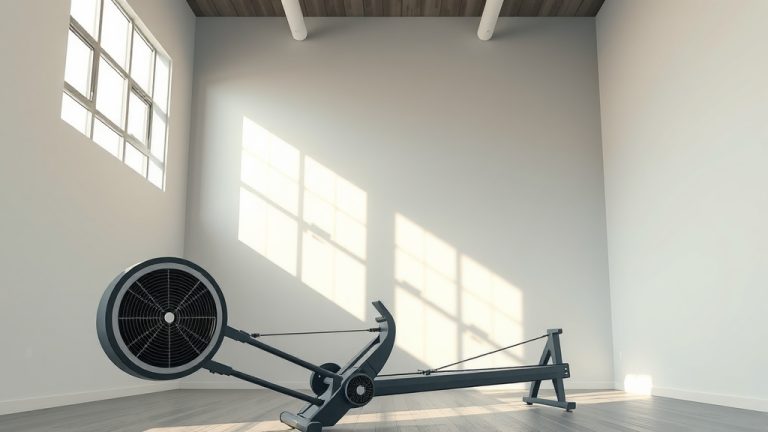
These machines use a flywheel with fan blades. The faster you row, the more air the fan displaces, and the greater the resistance you feel. It’s a very common and popular type.
Many experts say air rowers offer a smooth, natural feel, similar to rowing on water. They are excellent for varying intensity based on your effort (Concept2).
Magnetic Resistance Rowers
Magnetic rowers use a magnetic brake system and a flywheel. You can usually adjust the resistance level with a dial or electronically. These are often quieter than air rowers.
Research often connects magnetic rowers with consistent, quiet workouts. They are a good choice for home use where noise might be a concern.
Water Resistance Rowers
Water rowers feature a tank with paddles submerged in water. As you pull, the paddles move against the water, providing resistance. This offers a very authentic rowing sensation.
Many users enjoy the natural sound of sloshing water and the smooth, continuous resistance that water rowers provide. It truly feels like being on a boat.
Hydraulic Resistance Rowers
These compact machines use hydraulic cylinders attached to the handles. They are generally the smallest and most affordable type, often with adjustable resistance on each arm.
While great for saving space, hydraulic rowers might not offer the same full-body coordination as other types. They can be a good entry point for beginners, though.
The Four Phases of a Rowing Stroke
A complete rowing stroke involves four distinct phases, working together for a smooth movement. Think of it as a ballet of power and recovery.
The Catch
This is your starting position. Your knees are bent, shins vertical, and arms extended forward. The handle is held comfortably. You’re ready to propel yourself.
The Drive
This is the powerhouse phase. You push strongly with your legs first, then swing your back slightly, and finally pull the handle towards your torso. It’s a powerful, coordinated explosion.
The Finish (or Release)
At the finish, your legs are extended, back slightly reclined, and the handle is at your lower ribs. You’ve completed the powerful work of the stroke.
The Recovery
This is the return to the catch. You extend your arms first, then lean forward from your hips, and finally bend your knees, letting the seat slide forward. It’s a controlled, fluid motion.
Why Is Proper Form Essential?
Good form isn’t just about looking good; it prevents injuries and ensures you get the most from your workout. We found that even small adjustments can make a big difference.
Here’s a quick checklist for great rowing form:
- Keep your back straight and core engaged.
- Initiate the drive with a strong leg push.
- Use your core and arms after your legs.
- Maintain a smooth, continuous rhythm.
- Avoid hunching your shoulders or straining your neck.
- Breathe steadily throughout each stroke.
What Muscles Does Rowing Target?
Rowing is often called a full-body workout for good reason. It hits a wide array of muscles, from your legs to your core and upper body.
Here’s a breakdown of the primary muscle groups involved:
| Phase of Stroke | Primary Muscles Engaged |
|---|---|
| The Drive (Legs) | Quadriceps, Hamstrings, Glutes (powerful push) |
| The Drive (Core/Back) | Erector Spinae, Rhomboids, Lats (stabilizing and pulling) |
| The Drive (Arms/Shoulders) | Biceps, Triceps, Deltoids (finishing the pull) |
| The Recovery | Abdominals, Hip Flexors (controlling the return) |
Benefits Beyond Muscle Building
Beyond sculpting muscles, rowing offers numerous health advantages. Many experts say it’s a cardiovascular powerhouse (Mayo Clinic).
We found that consistent rowing can improve lung capacity, boost stamina, and even help manage stress. It truly is a holistic workout.
Choosing the Right Rower for You
With different resistance types, how do you pick? Consider your budget, space, and personal preferences. Do you prefer quiet or the feel of water?
Each type offers a great workout. The “best” one is simply the one you’ll use consistently.
Conclusion
Understanding how a rowing machine works unveils a world of efficient, full-body fitness. From the powerful leg drive to the engaging arm pull, every stroke contributes to your strength and cardiovascular health. By grasping the mechanics and types of resistance, you’re better equipped to choose a machine and master a form that serves your fitness journey. So, grab that handle, push with your legs, and enjoy the ride!
How often should I use a rowing machine for results?
For noticeable results, aim for 3-5 times a week, with each session lasting 20-45 minutes. Consistency is more important than extreme, infrequent workouts.
Is rowing effective for weight loss?
Yes, rowing is very effective for weight loss. It burns a high number of calories due to its full-body engagement and cardiovascular intensity, helping you create a calorie deficit.
Can I injure myself using a rowing machine?
Like any exercise, improper form can lead to injury, particularly in the lower back. Focus on a strong leg push, an engaged core, and a smooth, controlled stroke to stay safe.
What’s the best resistance type for beginners?
For beginners, magnetic or air resistance rowers are often recommended. Magnetic rowers offer quiet, consistent resistance, while air rowers provide a smooth, effort-based feel that is easy to adapt to.
How long should a typical rowing workout be?
A typical rowing workout can range from 20 to 45 minutes, depending on your fitness level and goals. Shorter, high-intensity interval training (HIIT) sessions are also popular and effective.